Advertisement
How online shoppers can spot fake shops before losing money
27th August, 2025 01:42 AM
Online shopping has transformed how we buy goods, offering convenience and a wider variety of products right at our fingertips.
Yet, alongside genuine sellers, the internet has also created fertile ground for fraudsters who disguise themselves as legitimate shops.
These fake online dealers prey on unsuspecting buyers, often leaving them frustrated and financially drained. Learning how to detect such shops from afar is not just wise, it is necessary.
Unrealistic prices
One of the first red flags is pricing that is simply too good to be true. Imagine a sofa set that you know retails for about Ksh74,000. A fake dealer will advertise it for Ksh25,000, hoping you will rush to grab the “deal of the century.”
While discounts do exist in the real market, legitimate sellers cannot afford to consistently sell at a loss.
Extreme price cuts are a tactic meant to bait shoppers into paying quickly, often before they can compare with other stores or verify the seller’s credibility.
Suspicious reviews
Another strong sign is the nature of online reviews and social media activity. Authentic shops, even with quality service, cannot escape occasional negative comments.
On platforms like TikTok, for example, it is almost impossible to lack a few unfavourable remarks.

Social media users are vocal, sometimes brutally so, and will always point out a delay, a damaged product, or even attack out of sheer malice.
That is the reality of open platforms. If you find a shop whose Facebook or TikTok page is filled only with glowing reviews, with comments sections tightly restricted or suspiciously controlled, you should pause.
Perfect reputations online often signal manipulation rather than genuine customer satisfaction.
Pressure on delivery and payments
Fraudulent dealers also use urgency and unusual payment demands as tools. They may insist on paying a transport fee, a half deposit, or even the full amount before delivery.
To make matters worse, they create artificial crises, claiming the product is “running out” or “in high demand.”
Such pressure is psychological, aimed at making you act fast rather than think critically.
In contrast, legitimate shops provide flexible payment methods, allow reasonable inspection on delivery, and rarely push buyers into rushed transactions.
Lack of verifiable contacts
Fake shops often hide behind vague contact details or shifting addresses. A genuine business has nothing to fear from displaying its physical location, customer care numbers, and working hours.
Before parting with money, always check whether you can trace the shop to a real office or store. If the only form of contact is a personal WhatsApp number, that is another warning sign.
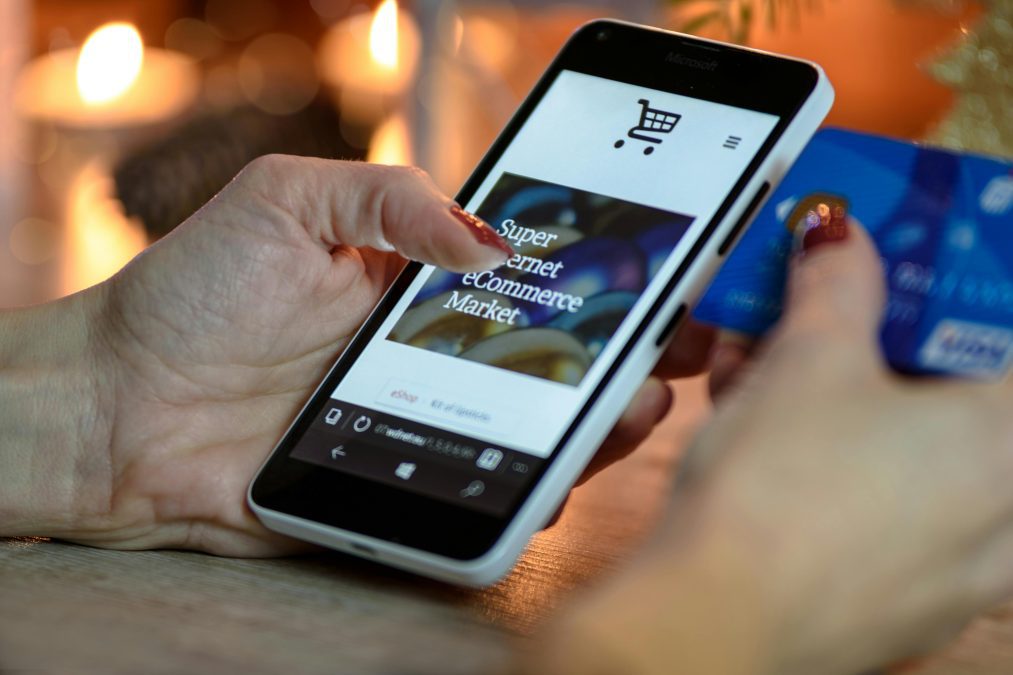
Most fake shops also rely heavily on stolen product photos from legitimate e-commerce sites. These images often look overly polished, with stock-like perfection.
A careful shopper should ask for actual product photos taken by the seller, preferably videos. If the shop struggles to provide these or gives excuses, chances are the goods do not exist.
Avoiding fraud is easier if you adopt a cautious mindset. Compare prices across multiple shops to see if a “deal” makes sense.
Take time to read customer feedback from different platforms rather than relying on one page.

Whenever possible, use secure payment methods that allow refunds or dispute resolution. For expensive purchases like electronics and furniture, insist on paying on delivery or in safe instalments.
Fake online shops thrive because they understand human psychology, the desire for bargains, the trust in polished social media pages, and the fear of missing out.
But by being observant and asking the right questions, shoppers can outsmart scammers.
Always remember: a genuine seller wants you to feel safe and satisfied, not rushed and cornered. Protecting your hard-earned money begins with spotting the warning signs before it is too late.