Advertisement
5 simple ways to make your home flood-resistant during rainy season
04th October, 2025 08:13 AM
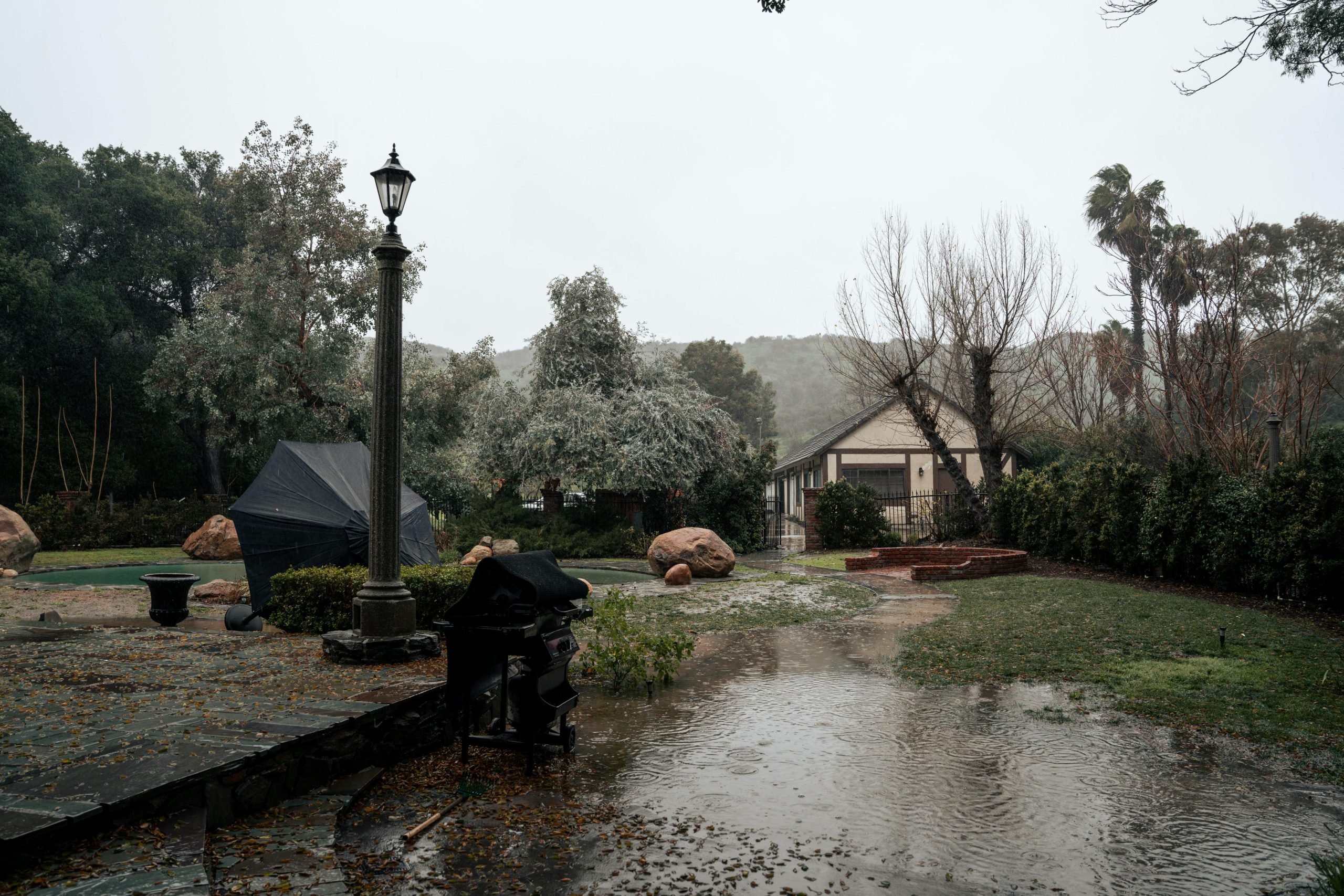
Every rainy season, thousands of homes across Kenya are affected by floods, from minor leaks and soaked floors to severe property damage and displacement.
With the Kenya Meteorological Department frequently warning of heavy rains, especially between March and May and again from October to December, it’s clear that flooding is no longer a rare event but a seasonal challenge that every household must prepare for.
The good news is that you don’t need an expensive renovation to protect your home. By making a few simple adjustments, you can reduce the risk of water damage and keep your family safe and dry when the heavens open up.
Here are five practical ways to make your home flood-resistant during the rains:
Keep your drains and gutters clear
Clogged drains and gutters are among the main culprits behind flooding around homes. When rainwater can’t flow freely, it backs up and spills into compounds, verandas, and even inside houses.
Regularly clean your gutters, downpipes, and outdoor drains to prevent blockages caused by leaves, soil, or plastic waste.
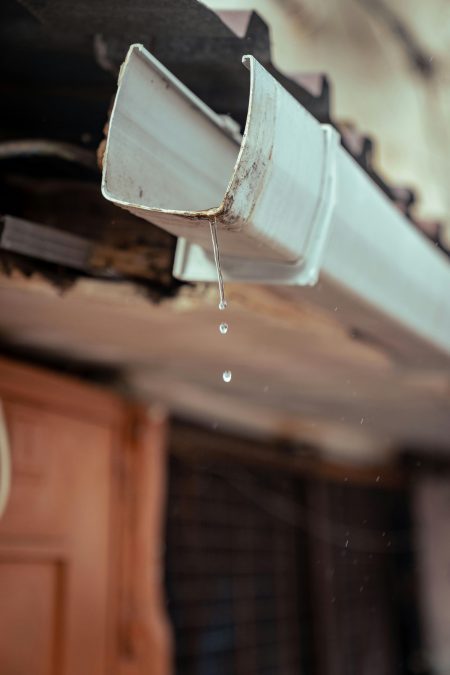
It’s advisable to inspect them at least twice a month during the rainy season and after heavy downpours. If you notice water pooling near your walls, have a plumber check whether your drainage gradient is properly aligned. Remember, prevention is always cheaper than repair.
Elevate electrical outlets and valuables
In flood-prone neighbourhoods such as parts homeowners are advised to raise power sockets, switches, and essential appliances above potential flood levels. Store your electronics, documents, and other valuables on upper shelves or higher floors.
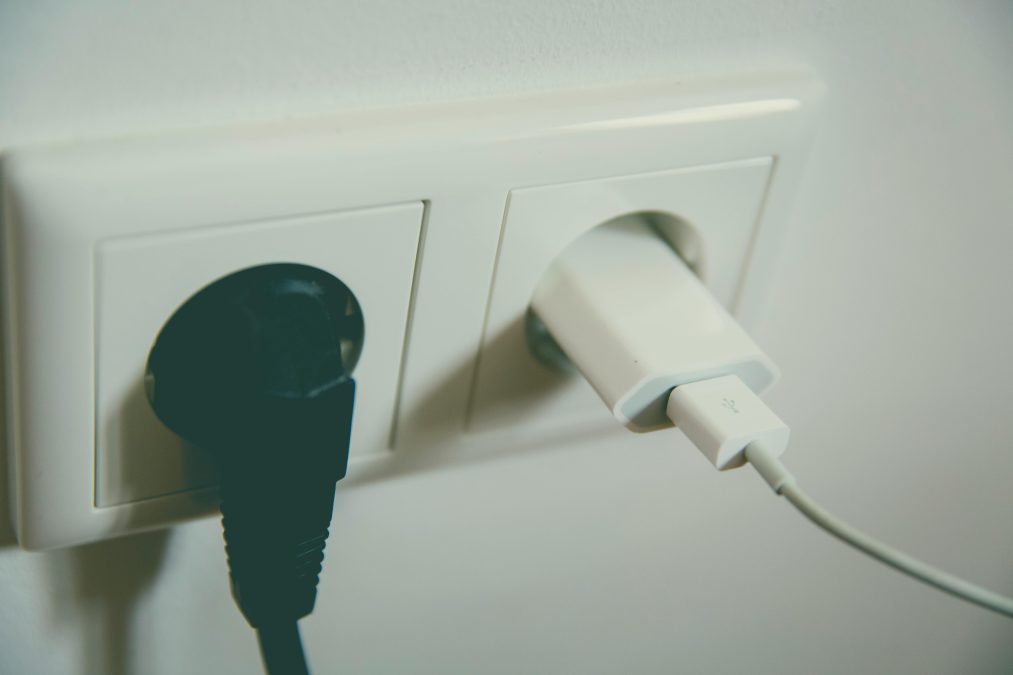
If flooding does occur, this precaution could save you thousands of shillings in damage and reduce the risk of electric shock.
Also, it’s recommended to install a residual current circuit breaker (RCCB), which automatically cuts off power during flooding incidents.
Improve the slope
The land surrounding your home should gently slope away from the foundation. This helps rainwater drain away instead of collecting around your walls or seeping into the house.
You can easily improve this by adding soil to create a slope or digging a shallow trench to divert excess water. For compounds with paved areas, consider using permeable blocks that allow water to pass through instead of running off.
Install flood barriers or sandbags
Simple barriers can make a big difference during torrential rains. Use sandbags, flood boards, or plastic barriers to block entry points such as doors, garages, and low windows.
If you live near a river or a low-lying area, keep a few sandbags handy during the wet season.
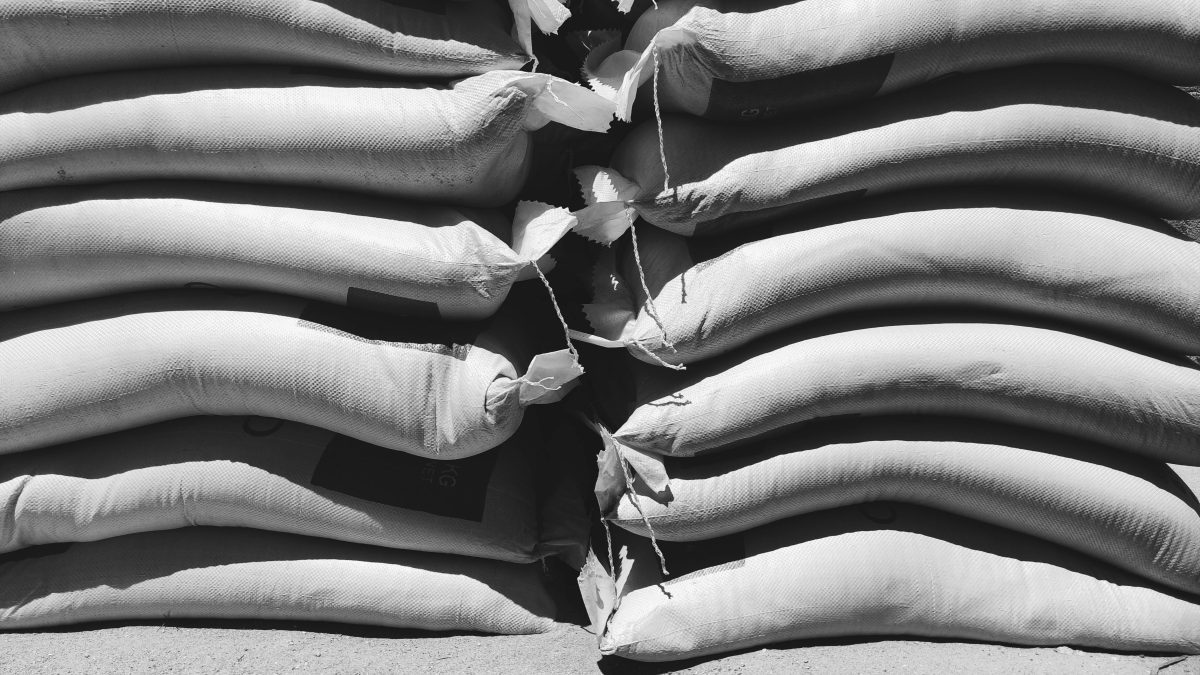
Some modern flood bags inflate when exposed to water, forming an instant seal that prevents flooding indoors – an affordable option available in many hardware stores.
Use vegetation for drainage
Nature can be your best flood defence. Grass, trees, and shrubs help absorb excess water and reduce surface runoff. Instead of paving your entire compound, leave green spaces where water can soak into the soil.
You can also plant deep-rooted trees such as bamboo or vetiver grass along slopes or near drains to stabilise the soil and prevent erosion. These plants not only beautify your compound but also make it more resilient to flooding.
Finally, always keep an eye on weather alerts from the Kenya Meteorological Department. If forecasts indicate heavy rainfall, turn off electricity at the main switch, move valuables to higher ground, and avoid driving or walking through flooded areas.
Flood preparedness starts at home. By taking these simple preventive measures, you can protect your property, safeguard your family, and help your community stay resilient during the rainy season.
Author
William Muthama
William Muthama is a digital journalist with a focus on entertainment, human interest, and current affairs. Share stories: [email protected]/ [email protected]
View all posts by William Muthama