Advertisement
Very alarming statistics: Gen Z and Millennials lead in new HIV infections
01st December, 2025 12:41 PM
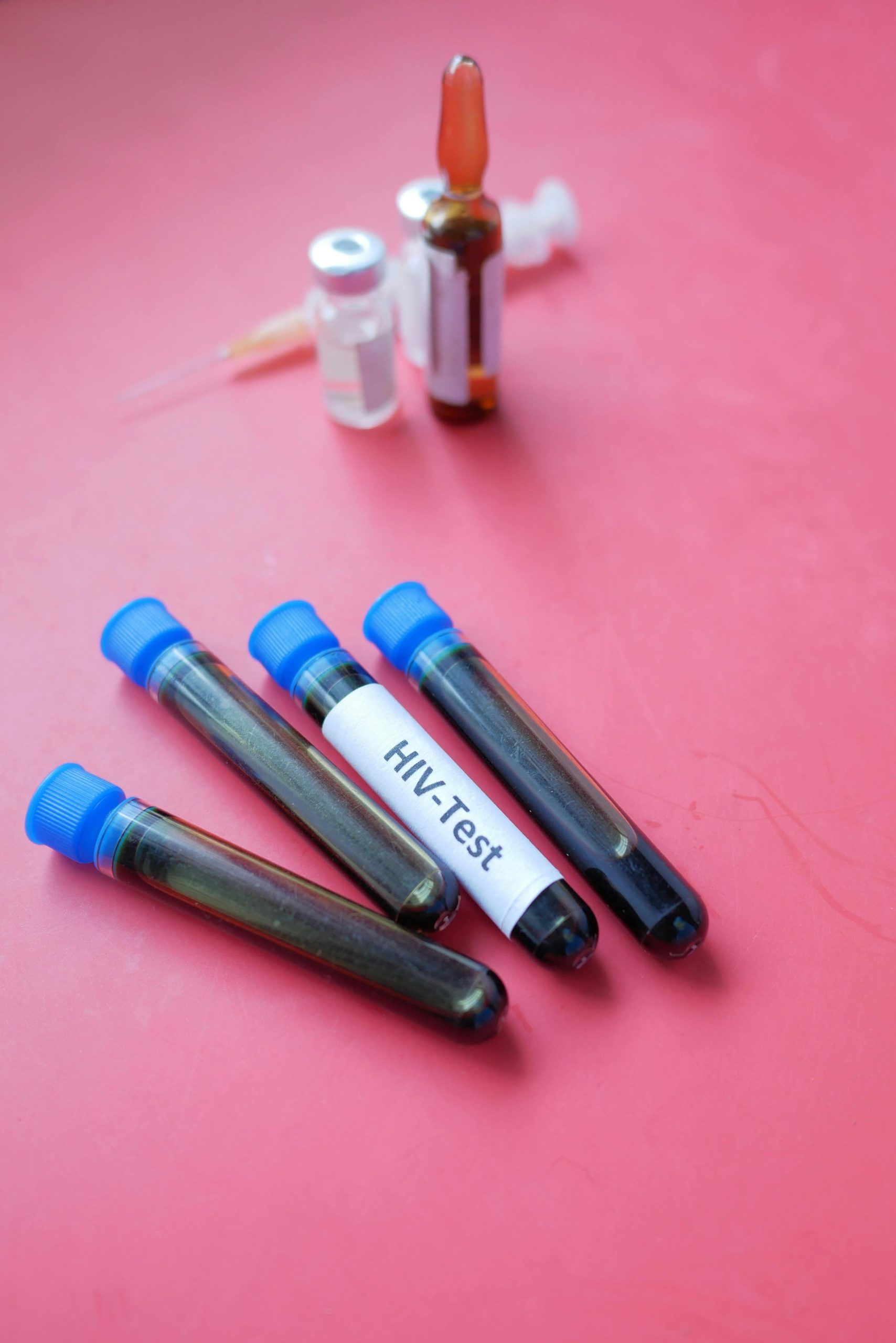
Kenya is grappling with a worrying rise in new HIV infections, with fresh data showing that Gen Z and Millennials now account for the bulk of new cases, signalling an urgent need for renewed youth-focused interventions.
According to the latest HIV Estimates Report released by the National Syndemic Disease Control Council (NSDCC) on Sunday, November 30, 2025, the country recorded 19,991 new HIV infections in the past year, marking a 19 per cent rise from 16,752 the previous year.
Also Watch: HIV positive parents narrate their journey with the disease
The council noted that most new infections were concentrated among young people aged 15 to 34, a demographic now driving the epidemic.
At the county level, the report shows that 10 counties accounted for 60 per cent of all new infections in 2024, with Nairobi leading at 3,045 new cases. It was followed by Migori (1,572), Kisumu (1,341), Homa Bay, Busia, Siaya, Kakamega, Nakuru, Mombasa, and Bungoma.
“In 2024, the national HIV prevalence stood at 3.0 per cent, with higher rates among females (4.0%) compared to males (2.0%),” details the Kenya HIV Estimates report.
The council said the continued clustering of infections in specific regions shows persistent disparities, calling for targeted, county-led strategies to curb transmission.
The report also highlighted gender differences in prevalence, noting that nationwide HIV prevalence stands at 3.0 per cent, with women (4.0 per cent) carrying double the burden of men (2.0 per cent).
On HIV-related deaths, the NSDCC confirmed a rise, with 21,007 deaths recorded in 2024, up from 18,473 in the previous year.
Health Principal Secretary Ouma Oluga said the numbers should serve as a wake-up call on the importance of early diagnosis and consistent treatment, adding that retention in care remains a national challenge.
“AIDS-related deaths, recorded at 21,007 in 2024, remind us of the need for renewed focus on early diagnosis, treatment adherence, and retention in care,” said Ouma.
As of 2024, Kenya had 1,326,336 people living with HIV, including 62,798 children. Despite the rise in new infections nationally, the NSDCC reported significant progress in some regions.
Counties such as Elgeyo-Marakwet, Wajir, Mandera, Kisii, Machakos, Kericho, Uasin Gishu, Nakuru, Bomet, Baringo, Trans-Nzoia, and Laikipia recorded a 75 per cent drop in new infections, which the council linked to consistent community outreach, improved testing, and better uptake of preventive measures.
At the same time, NSDCC projections for 2025 show a potential 52 per cent decrease in new infections if current interventions are maintained and strengthened.
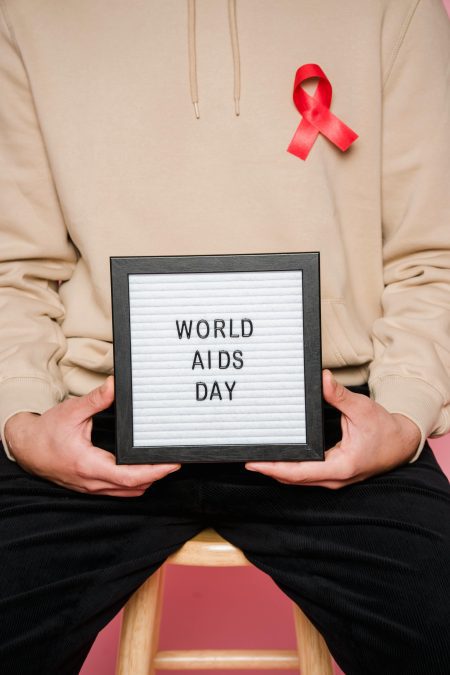
The release of the report comes as the world marks World AIDS Day, observed every year on December 1. The global commemoration, first established in 1988, is dedicated to raising awareness about HIV, honouring lives lost to AIDS-related illnesses, and recommitting to prevention, treatment, and the fight against stigma.
Author
Steve Ireri
Steve is a senior writer with over four years of experience in digital journalism. His focus is on the showbiz and human interest stories. Emails: [email protected] , [email protected]
View all posts by Steve Ireri