Advertisement
Signs and symptoms of HIV
23rd June, 2026 11:04 AM
Human Immunodeficiency Virus (HIV) continues to be one of the most discussed global health conditions, not only because of its impact on the immune system but also because of how quietly it can progress in the early stages.
According to the World Health Organization (WHO), HIV weakens the body’s defence system by attacking cells that help fight infections, making a person more vulnerable to other diseases.
Signs and Symptoms
The early signs of HIV can be mild and often mistaken for common illnesses. Some people may experience flu-like symptoms such as fever, sore throat, fatigue, swollen lymph nodes, and skin rashes a few weeks after infection.
As the virus progresses without treatment, the immune system becomes weaker, and symptoms may include rapid weight loss, recurring infections, prolonged fever, and night sweats. WHO notes that many people can live for years without obvious symptoms, which makes early testing very important.
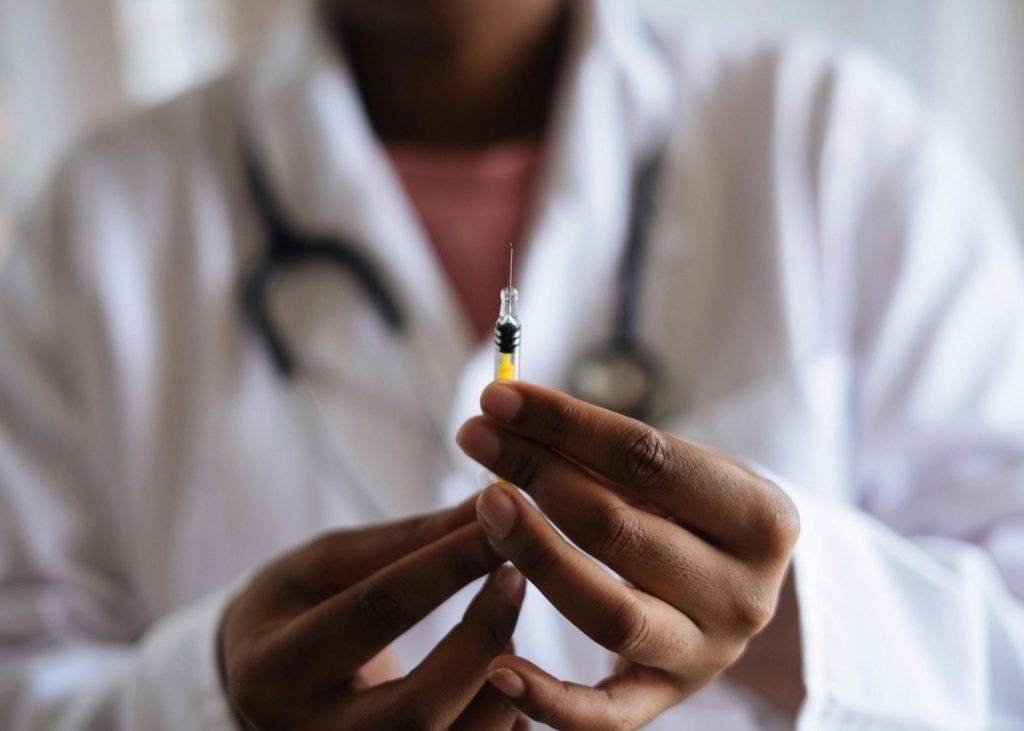
Risk Factors
HIV is mainly transmitted through specific body fluids such as blood, semen, vaginal fluids, and breast milk. Unprotected sexual contact, sharing contaminated needles, receiving unsafe blood transfusions, and mother-to-child transmission during pregnancy or breastfeeding are among the key risk factors.
The UNAIDS,highlights that vulnerability increases when access to prevention tools, education, and healthcare services is limited. Social stigma and lack of awareness also continue to contribute to new infections in many regions.
Diagnosis and Testing
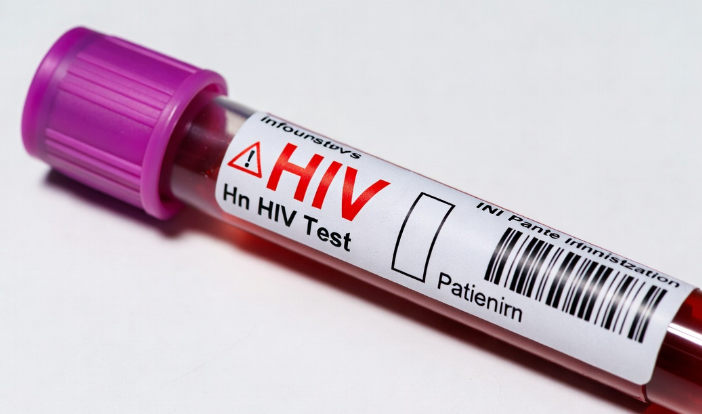
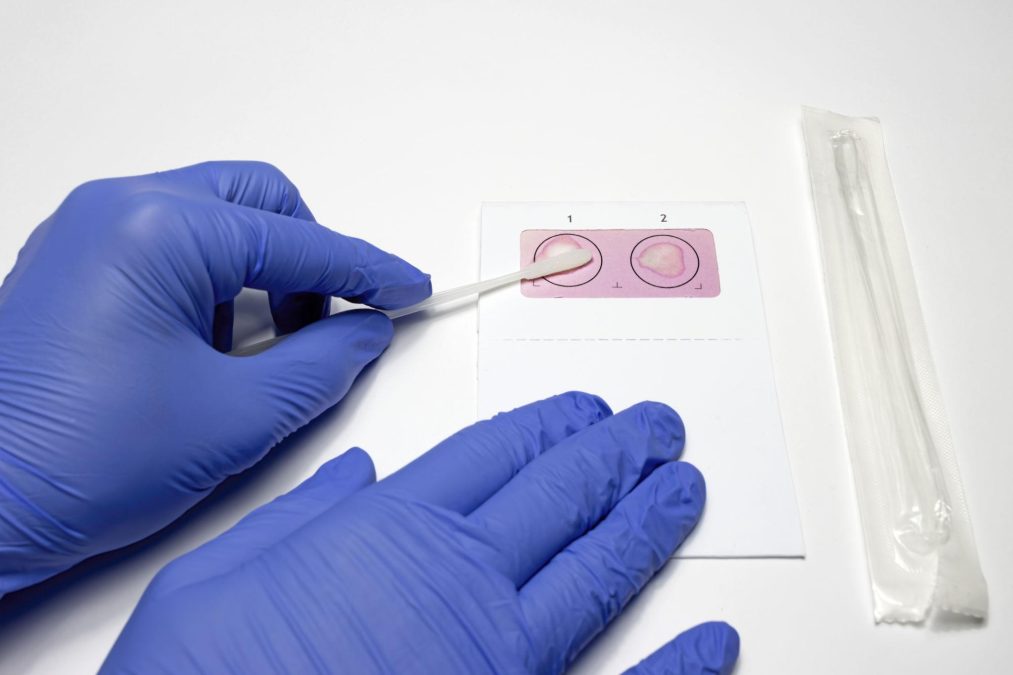
Testing remains the only sure way to confirm HIV status. Common methods include rapid diagnostic tests, blood tests that detect antibodies or antigens, and nucleic acid tests in early detection cases.
According to the Centers for Disease Control and Prevention (CDC), early testing is encouraged because it allows timely treatment and reduces the risk of transmission to others. Regular testing is especially recommended for individuals with higher exposure risk.
Management and treatment
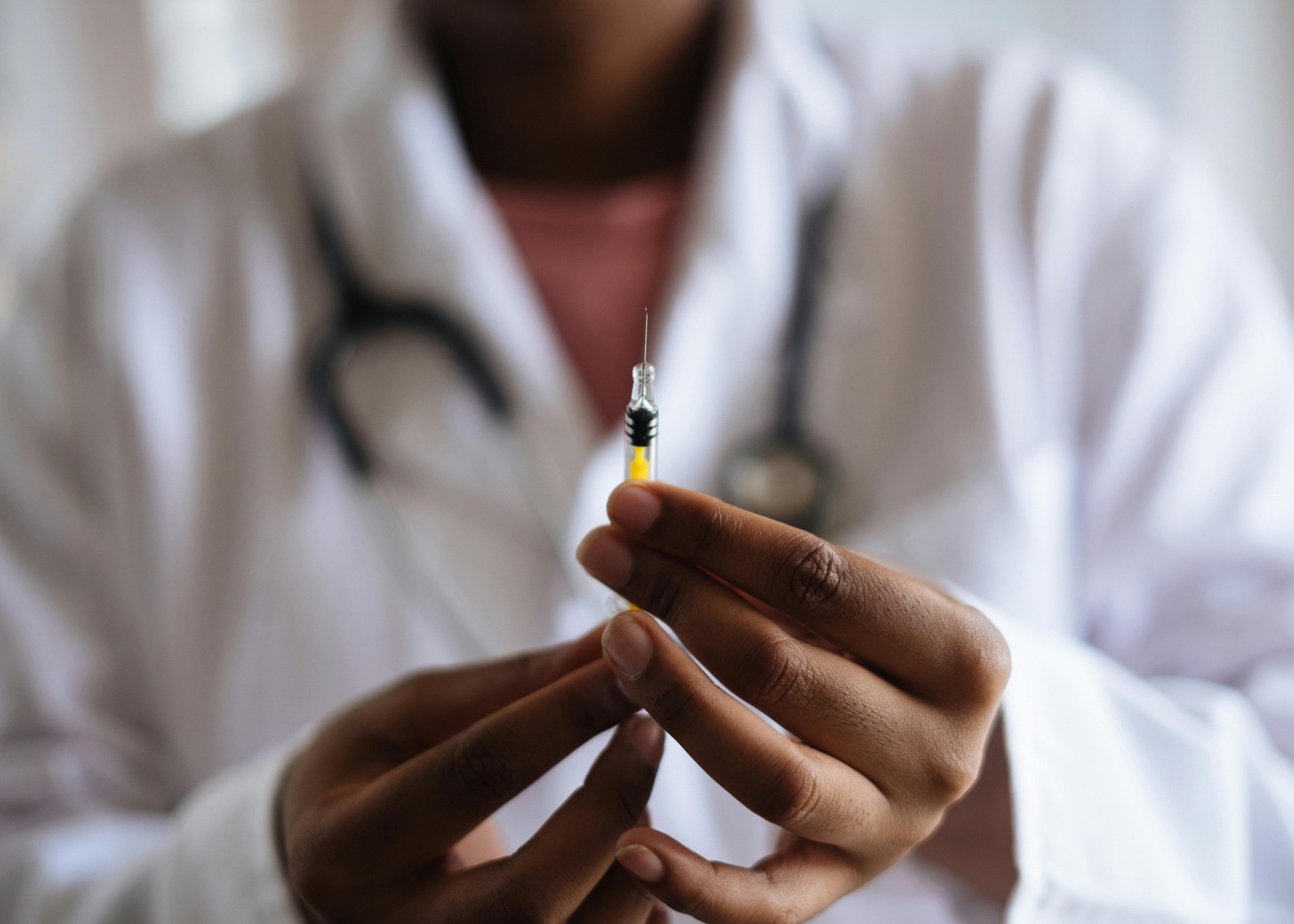
There is currently no cure for HIV, but it can be effectively managed using antiretroviral therapy (ART). These medicines reduce the amount of virus in the body to very low levels, allowing people living with HIV to lead long and healthy lives.
Consistent treatment also helps prevent transmission. As WHO explains, “HIV remains a major global public health issue, having claimed millions of lives.” Treatment adherence is key in keeping the virus under control and improving quality of life.
Prevention and Cure
Prevention focuses on safe practices such as consistent condom use, regular testing, avoiding shared needles, and preventive medication like pre-exposure prophylaxis (PrEP) for high-risk individuals. Prevention of mother-to-child transmission programs have also significantly reduced infant infections. While research continues, there is currently no permanent cure for HIV, but effective treatment has transformed it into a manageable chronic condition when detected early.
In conclusion, HIV remains a serious but controllable health condition. Awareness, early testing, and strict adherence to treatment are central in reducing its impact and preventing new infections.