Advertisement
Students create secretive contraceptive delivery network
30th September, 2025 12:43 PM
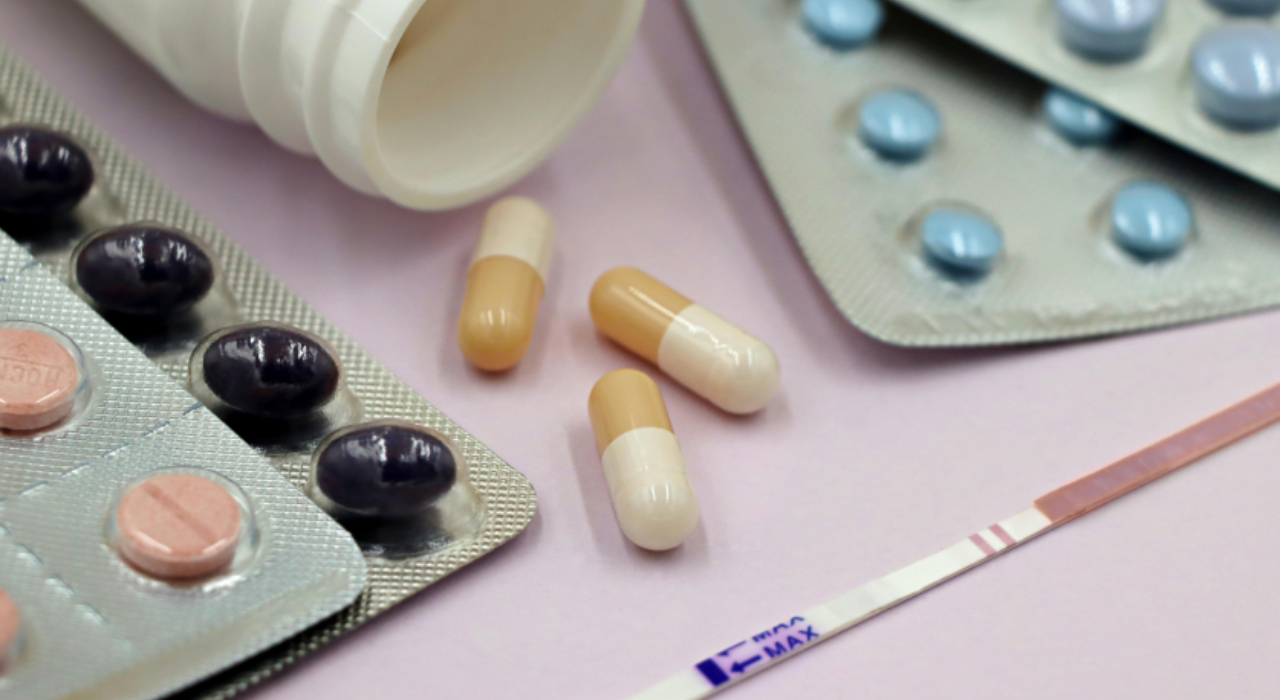
College student Maya Roman has the handoff down to a science: a text message, a walk to a designated site, and a paper bag delivered with condoms and Plan B emergency contraception. At DePaul University, it’s the only way students can get a sliver of sexual health support, she said.
DePaul, a Catholic school in Chicago, prohibits the distribution of any kind of birth control on its campus.
To get around that, a student group runs a covert contraceptive delivery network called “the womb service.” The group was once the university’s chapter of Planned Parenthood Generation Action, but it has been operating off campus since DePaul revoked its status as a student organisation.
At Catholic universities, which generally do not offer contraceptives on their campuses or at school-run health centres, student groups have stepped in to fill what they see as gaps in reproductive health care. It often means navigating pushback from college administrators.
In line with church teachings that discourage premarital sex and birth control, many Catholic colleges restrict access to contraceptives on campus. The student activists say they are providing essential help on campuses that enrol students of all faiths.
At DePaul, the university said it banished the student group over its affiliation with Planned Parenthood, the nation’s largest abortion provider. It said it also “reserves the right to restrict the distribution of medical or health supplies/devices items on university premises that it deems to be inappropriate from the perspective of the institution’s mission and values.”
“I was in disbelief,” Roman said of the group being forced to disband. “It was a flood of disappointment.”
Efforts to restrict contraception around the US
Far beyond college campuses, a growing number of Republican-led states have seen attempts to restrict access to contraception. Some state legislatures have sought to exclude emergency contraception and other birth control methods from state Medicaid programs or have introduced bills requiring parental consent for minors to access contraception.
The Trump administration has also frozen funding to family planning clinics that provide free or low-cost contraception and scrubbed the Centres for Disease Control and Prevention guidance on birth control from government websites.
Conversely, Illinois Gov. JB Pritzker, a Democrat, signed legislation in August requiring colleges and universities to offer contraception and abortion medication at on-campus pharmacies and student health centres, but it applies only to public institutions.
“We do see this massive effort to restrict access to contraception and abortion throughout the U.S., not just on Catholic campuses,” said Jill Delston, associate professor at the University of Missouri-St. Louis, who has studied contraception access. “And on Catholic campuses, that may in some ways be amplified.”
Activist groups connect with students just off campus
Roman, an economics student at DePaul, grew up learning about reproductive health from her mother, a nurse. When she arrived on campus, she realised many of her peers had relatively limited sexual health knowledge. Meanwhile, she said she noticed DePaul’s sexual and reproductive health resources were lacking.
“It was seeing a need in the community and trying my best to address it right away,” she said.
Now, the group she leads receives about 15 to 25 orders each week for contraception and hosts sex education seminars.
Organisers see Catholic colleges as challenging environments
A lack of access to contraception can have deep, long-term impacts on students’ lives, Delston said.
“What’s at stake for these students is their bodily autonomy — the direction of the rest of their lives, their ability to pursue their goals, get a degree, have a career or start a family at the time it suits them,” she said.
In 2020, the American Society for Emergency Contraception launched an effort to help student activists expand contraception access on college campuses. The group has helped install 150 vending machines that dispense emergency contraception on campuses.
At Catholic universities, students usually have to start smaller than a vending machine, said Kelly Cleland, the group’s executive director. The first step, she said, is helping students figure out what’s possible.
“This is a lesson for them about organising in challenging environments,” she said.
At DePaul, the students behind the womb service have re-registered under a new name — Students United for Reproductive Justice — and plan to continue distributing contraceptives this semester. Roman said she hopes more students on Catholic campuses challenge their universities’ reproductive health policies.
“It is possible; it is feasible,” she said. “And you’re not alone in this fight.”