Advertisement
Passaris challenges claims linking P2 and family planning to endometriosis
01st September, 2026 03:41 PM
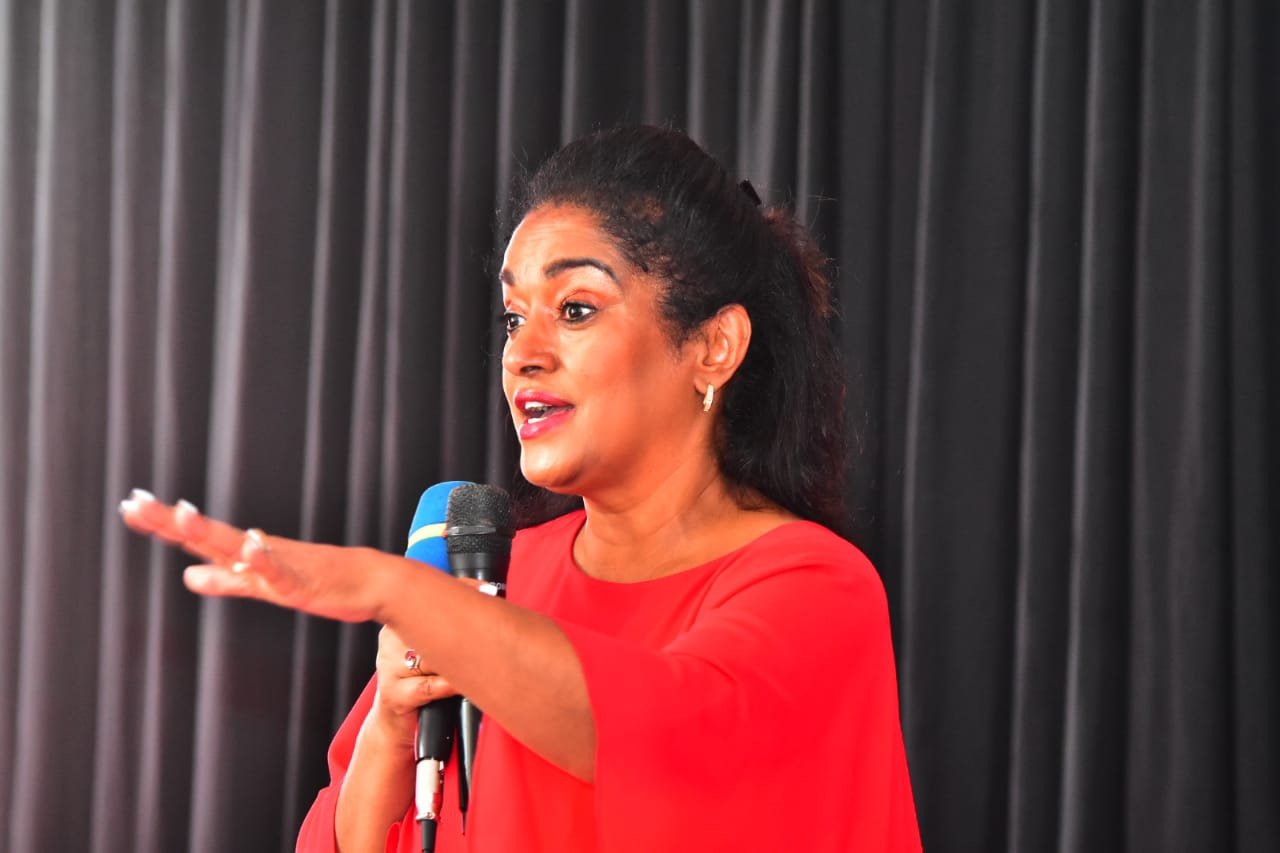
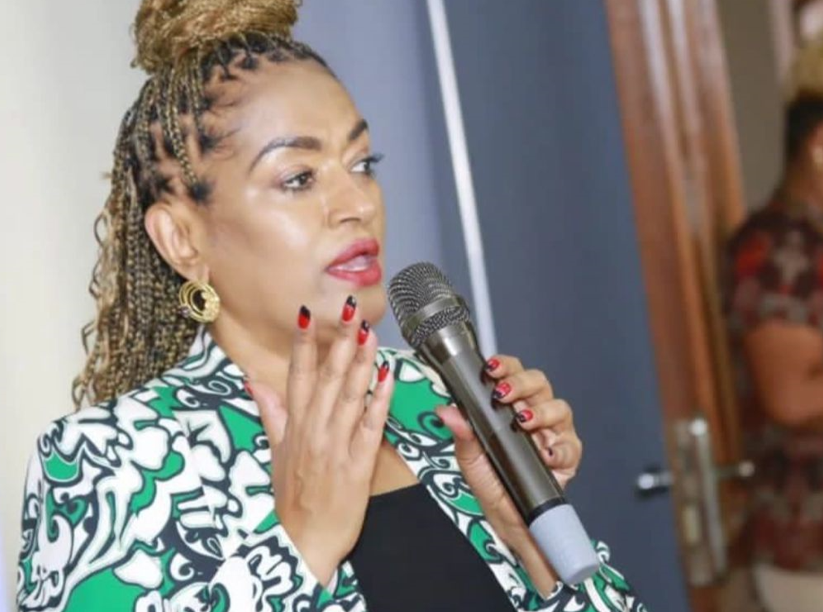
Nairobi Woman Representative Esther Passaris has challenged claims linking emergency contraceptive pills, commonly known as P2, and family-planning methods to endometriosis.
Passaris, in a statement issued on Tuesday, September 1, 2026, said there is no established medical evidence showing that P2 or family planning causes the chronic condition.
“Allow me to take this opportunity to correct the misinformation and share the medical facts,” Passaris said.
She explained that endometriosis is a chronic condition whose exact cause remains unknown and noted that the condition was medically documented long before the introduction of P2 and modern family-planning methods.
“Endometriosis is a chronic condition whose exact cause remains unknown. It was medically documented as far back as 1860, long before P2 and modern family-planning methods existed,” she said.
Passaris further dismissed claims that contraceptive use causes endometriosis, noting that some hormonal family-planning methods are instead used in the management of symptoms associated with the condition.
“There is no established medical evidence that P2 or family planning causes endometriosis. In fact, some hormonal family-planning methods are prescribed by doctors to manage the pain and bleeding associated with the condition,” she said.

Passaris warns against misinformation
The legislator said misinformation surrounding reproductive health could discourage women from seeking safe healthcare services.
“As a family-planning advocate, I must challenge claims that frighten women away from safe reproductive healthcare,” Passaris said.
She called for greater compassion and accurate information for women living with endometriosis, urging the public to rely on qualified medical professionals when discussing health matters.
“Women living with endometriosis need compassion, accurate information and proper medical care; not blame and misinformation,” she said.
Passaris also cautioned against making public health claims without seeking expert guidance.
“Please consult qualified medical professionals before making public health claims. Words have consequences,” she added.
Understanding endometriosis
Endometriosis is a chronic condition in which tissue similar to the lining of the uterus grows outside the uterus, commonly around the ovaries, fallopian tubes and other areas of the pelvis.
The condition can cause symptoms including severe menstrual pain, heavy periods, pelvic pain, pain during intercourse and difficulty getting pregnant. However, symptoms vary from one woman to another, and some people may have endometriosis without experiencing noticeable symptoms.
The exact cause of endometriosis remains unknown. Diagnosis may involve a medical history, pelvic examination, imaging tests and, in some cases, surgery.
Treatment depends on the individual’s symptoms and whether they are seeking to become pregnant. Doctors may recommend pain medication, hormonal treatment or surgery depending on the severity and circumstances.