Advertisement
Shortage of drugs leaves Gaza’s wounded without pain relief
29th September, 2025 08:13 AM

In Gaza’s Nasser hospital, Mahmoud lies with a gunshot wound to his left leg. His knee is shattered, and the wound has become infected.
The boy is writhing in pain, but the doctors don’t have the painkillers to ease his suffering. He is given a nerve block, which stops him from feeling anything, and the relief allows him to sleep for a while. But once that wears off, the agony returns.
Also Watch: Israeli strikes devastate Gaza hospitals as civilian death toll mounts
More than 167,000 Palestinians have been injured in Gaza since 7 October 2023, according to Gaza’s health ministry. From burns and blast wounds to lost limbs and fractured bones, Gaza’s hospitals have been overwhelmed by patients in profound pain.
But a desperate shortage of drugs means there is little doctors can do to help. Treatment and operations need to be carried out without proper anaesthetics, and what painkillers there are have to be rationed.
According to analysis by The Bureau of Investigative Journalism (TBIJ), more than half of the WHO’s medical missions into Gaza since January 2024 – including the delivery of medicines and fuel for hospitals, the deployment of staff, and patient evacuations – have been denied, delayed, impeded, or cancelled.
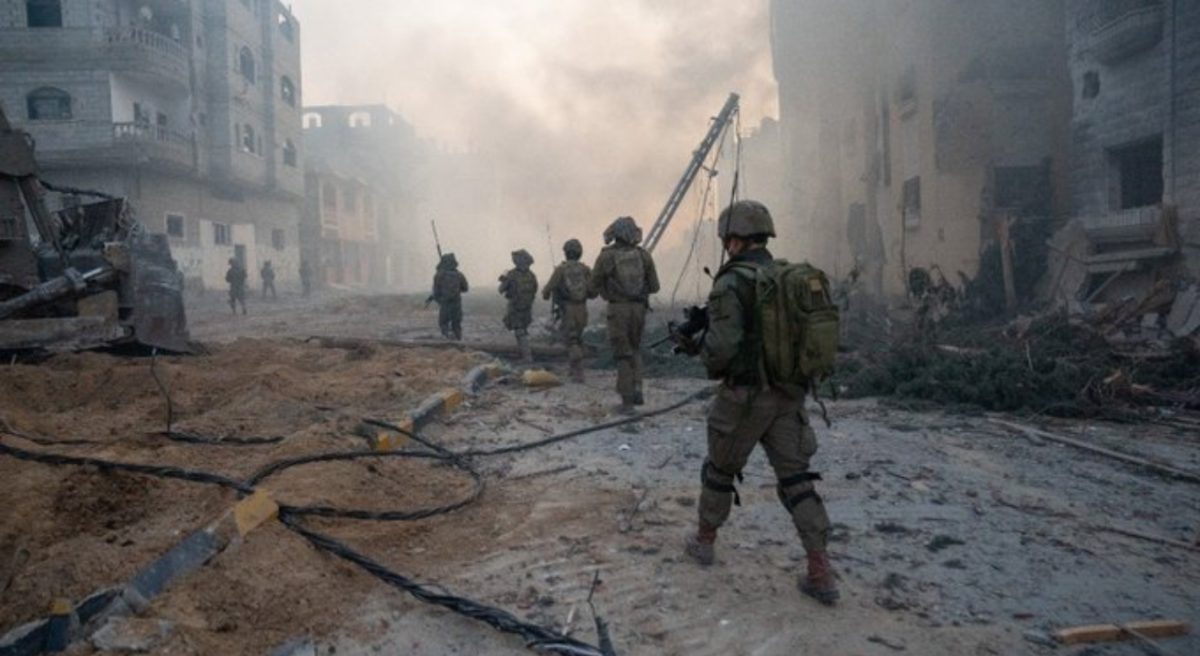
Meanwhile, Israeli forces have bombed storage facilities and hospitals while international convoys of medical supplies are routinely blocked from entering Gaza or face weeks of delays at the border.
TBIJ spoke to eight doctors in Gaza who described the dire shortfall in pain relief drugs, including opioids, anaesthetics, and even paracetamol.
“Most injuries are amputations or open fractures,” says orthopaedic doctor Abdelkareem Alsalqawi. “These are severely painful and require 24-hour painkillers. [But now] we tell them: one injection per day … use it at night so you can sleep.”
In July 2025, the Israeli prime minister, Benjamin Netanyahu, said the country would allow minimal humanitarian supplies to Gaza. But aid agencies and doctors working in the territory report a near-total collapse of the medical supply chain.
“It is very clear that since March, we have spent months without allowing anything to enter,” says Dr Randa Abu Rabe of the WHO’s office for the occupied Palestinian territory. “It is not only the medication: it is the reagent, the diagnostics, some of the instruments or equipment.”
Also Watch: More captives, prisoners freed as Gaza truce extension mooted
The Israeli government’s Coordinator of the Government Activities in the Territories (Cogat) says: “Israel allows and facilitates the entry of medical equipment and medicines, subject to prior coordination. As evidence, in recent weeks alone, more than 3,500 tons of medical equipment have been transferred.”
This is disputed by aid groups and doctors experiencing acute shortages. They say shipments are delayed for weeks or months at the border, and requests are ignored.
If someone came in with an amputation, they would get an IV and then a dose of ketamine. It lasts about 45 minutes,” says Melin. “But giving it as a single dose, with the workforce here, is not feasible. And you can’t keep people [dosed with ketamine]. They can’t stand up, they can’t walk around, they can’t interact. So that’s not a safe option either.”
When it is available, doctors carry syringes pre-filled with ketamine for “mass casualty” events, when shelling brings in waves of patients, to inject small doses so that doctors can attend to them.
Patients frequently emerge hallucinating or terrified. And it wears off.
“Patients come into the ER and may or may not get a dose of ketamine. If they’re in pain but it’s not a catastrophic injury, they often won’t get anything,” says Melin. “For a severe injury or a procedure like inserting a chest tube, they’ll probably be given ketamine. But for something like a simple gunshot wound, most people are just toughing it out.”
Asked to comment, the Israeli government spokesperson said the Israel Defense Forces “will continue to act to facilitate medical care and the ongoing operation of medical institutions in the Gaza Strip, in cooperation with international aid organisations”.