Advertisement
FIFA World Cup Group C preview: Brazil face high expectations as rivals eye opportunity
04th June, 2026 07:05 AM
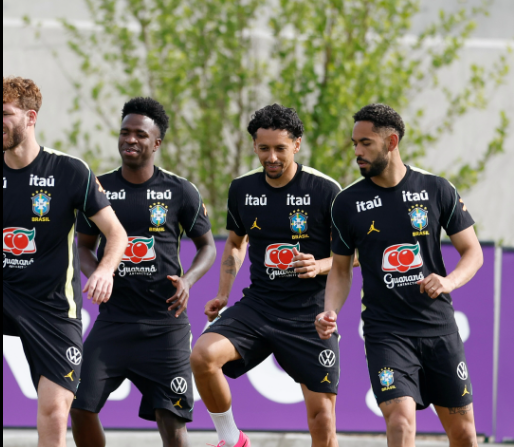
Group C of the 2026 FIFA World Cup features a blend of football tradition, recent success stories, and returning nations eager to make their mark.
Five-time world champions Brazil enter the tournament under pressure to reclaim past glory, while Morocco hopes to build on its historic achievements in Qatar. Scotland and Haiti, meanwhile, are back on football’s biggest stage after lengthy absences and will be determined to prove they belong among the elite.
With the World Cup kicking off on Thursday, June 11, 2026, all Group C matches will be staged in the United States.
Brazil – Team overview
Brazil arrives at the World Cup seeking a record-extending sixth title, but confidence around the team has been tempered by a difficult road to qualification and major changes behind the scenes.
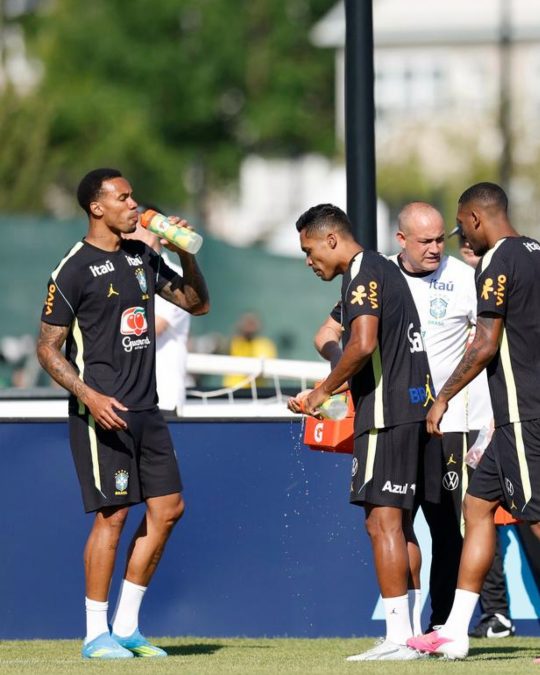
The South American powerhouse endured an inconsistent qualifying campaign, culminating in a heavy defeat to Argentina in Buenos Aires in March 2025. That result led to the departure of coach Dorival Junior and prompted the appointment of renowned Italian tactician Carlo Ancelotti.
Ancelotti, one of the most decorated managers in club football history with five UEFA Champions League titles, was tasked with restoring stability and ensuring qualification. While Brazil ultimately secured its place in North America, finishing fifth in the South American standings highlighted the challenges facing the team.
Under Ancelotti, Brazil has adopted an aggressive 4-2-4 formation designed to take full advantage of its attacking talent. However, injuries have disrupted preparations. Real Madrid attacker Rodrygo has been ruled out with a knee problem, while Chelsea winger Estevao is sidelined due to a hamstring injury.
Another major talking point has been Neymar. The veteran forward had not played for Brazil since suffering a serious knee injury in 2023. Although his performances for Santos earned him a place in the squad, a recent calf issue has raised concerns about his fitness and involvement during the tournament.
Brazil’s greatest asset remains its attack, with the team expected to rely heavily on pace and quick transitions. Nevertheless, defensive vulnerabilities continue to generate concern, particularly in the full-back positions that were once occupied by legendary figures such as Cafu, Roberto Carlos and Marcelo.
Despite the uncertainties, Brazil enters the competition carrying the expectations that accompany one of the most successful teams in football history.
Morocco, Haiti and Scotland eye opportunity
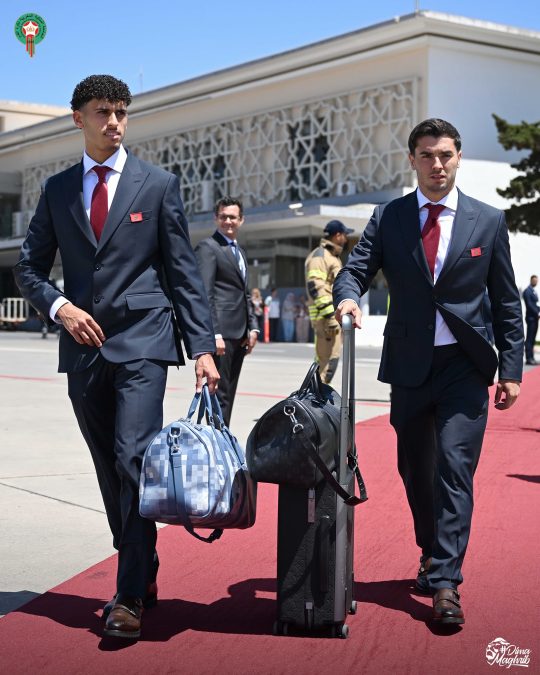
Morocco heads into the tournament carrying heightened expectations after becoming the first African nation to reach a World Cup semifinal in 2022.
However, preparations have not been entirely straightforward. Following a controversial Africa Cup of Nations campaign, coach Walid Regragui left his position in March.
His replacement, Mohamed Ouahbi, earned recognition after guiding Morocco’s youth side to world success and has quickly implemented an attack-oriented style of play. His tactical approach encourages adventurous football, especially on the right flank.
Achraf Hakimi remains the nation’s biggest football star. Having represented clubs such as Real Madrid, Borussia Dortmund, Inter Milan and Paris Saint-Germain, he brings world-class quality and experience.
His contributions in both defense and attack are expected to play a decisive role in Morocco’s campaign.
For Haiti, qualification for the World Cup is one of the most inspiring stories of the tournament.
The Caribbean nation will appear at the finals for the first time since 1974 after overcoming numerous difficulties during the qualifying process. Ongoing security challenges prevented the team from hosting matches at home, forcing it to play elsewhere. A crucial victory over Nicaragua in November secured first place in its qualifying group and booked its ticket to North America.
Scotland returns to the World Cup after a 28-year absence, having last appeared at the tournament in 1998.
The team’s revival has been overseen by Steve Clarke, who has transformed Scotland’s fortunes since taking charge in 2019. Under his leadership, the nation has consistently qualified for major competitions and restored optimism among supporters.
Scotland secured its place at the World Cup with a dramatic triumph over Denmark and now aims to achieve something it has never done before, advance beyond the group stage.
Scott McTominay has become one of the team’s most influential figures. The Napoli midfielder scored the decisive goal against Denmark and continues to be a driving force in the heart of Scotland’s midfield.