Advertisement
Why bhang smoke often smells like burning garbage
01st June, 2026 02:43 PM
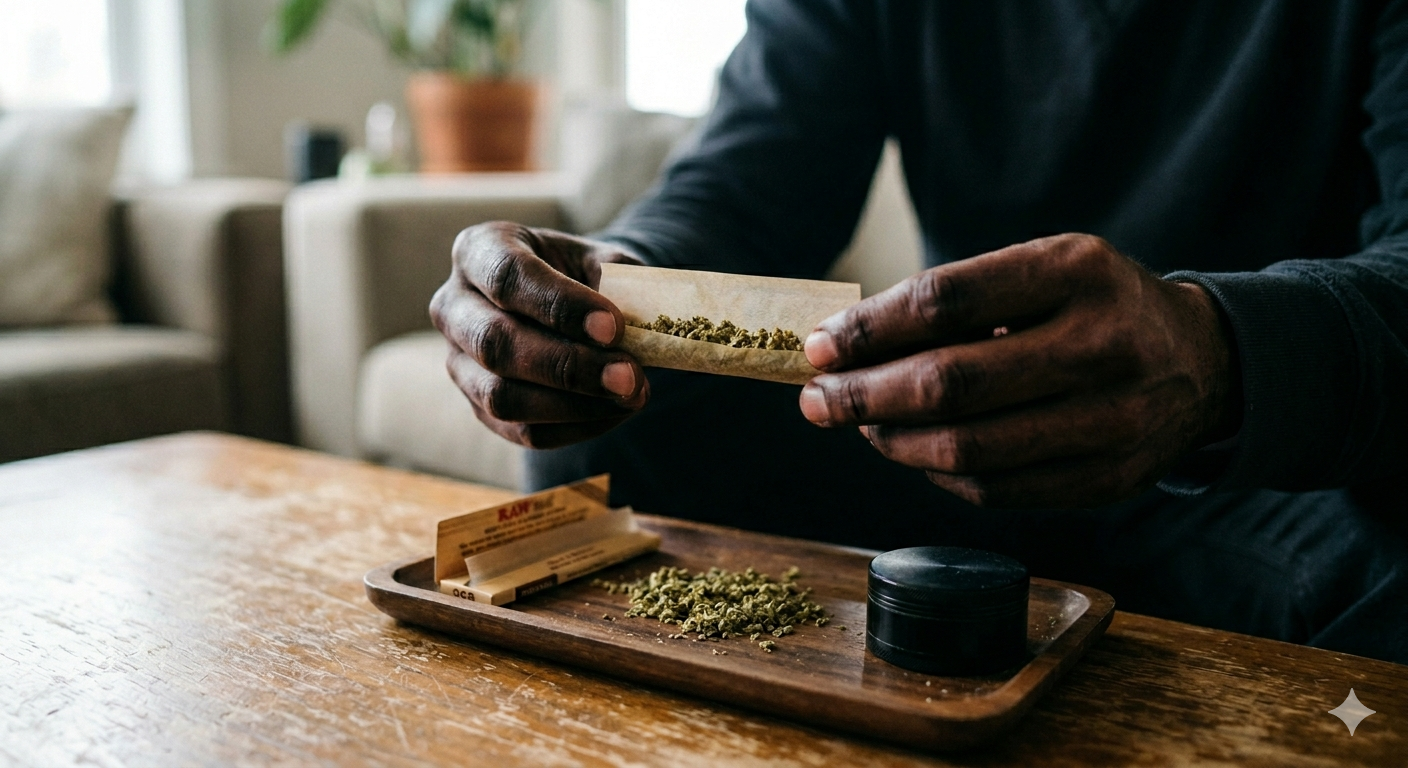
Almost every Kenyan has encountered a garbage-burning smell coming from nowhere, but has no idea what it is.
In some rental compounds, the moment one opens a gate or the main door of a house, a strong odour hangs in the air, resembling burning rubbish, old waste, or something rotten.
Often, it turns out that someone nearby had just finished smoking bhang or was in the process of using it.
The comparison to burning garbage is so common that many people can identify the smell long before they see where it is coming from.
But why does bhang produce such a distinctive odour? The answer lies in a combination of biology, chemistry, and the way the human nose interprets certain compounds.
Plant chemistry
Bhang comes from the cannabis plant, which naturally produces hundreds of chemical compounds.
While much attention is given to substances such as tetrahydrocannabinol, commonly known as THC, the smell is largely influenced by another group of compounds known as terpenes.
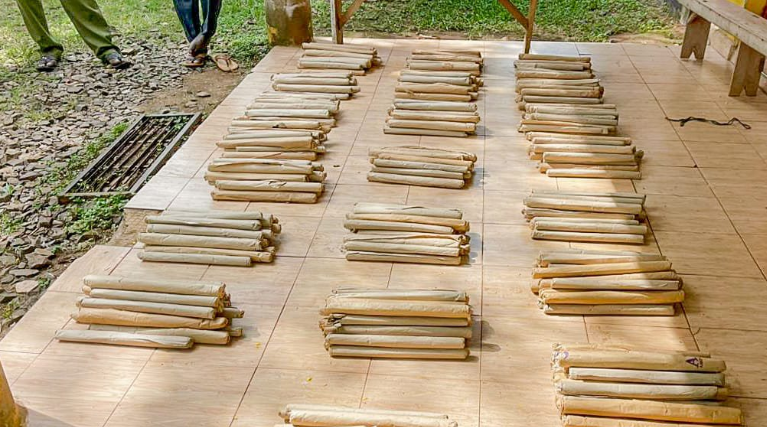
Terpenes are natural chemicals that plants use for protection and survival.
They are responsible for the scent of many fruits, flowers and herbs. In cannabis, these compounds create earthy, woody, citrus-like and herbal aromas.
However, terpenes alone do not account for the strong smell many people describe as burning rubbish.
Sulphur compounds
Scientists have discovered that cannabis also contains tiny amounts of sulphur-based compounds.
These chemicals belong to the same family of substances responsible for the smell of garlic, onions and even skunk spray.
What makes sulphur compounds remarkable is that the human nose can detect them at extremely low concentrations.
Even a tiny amount can dominate every other smell in the air. This is one reason why bhang can be noticed from several metres away, even outdoors.
When these sulphur compounds mix with the plant’s natural terpenes, they create the pungent smell that many people describe as dirty, skunky, or like burning waste.
Burning process
The smell becomes even stronger once the plant is lit.
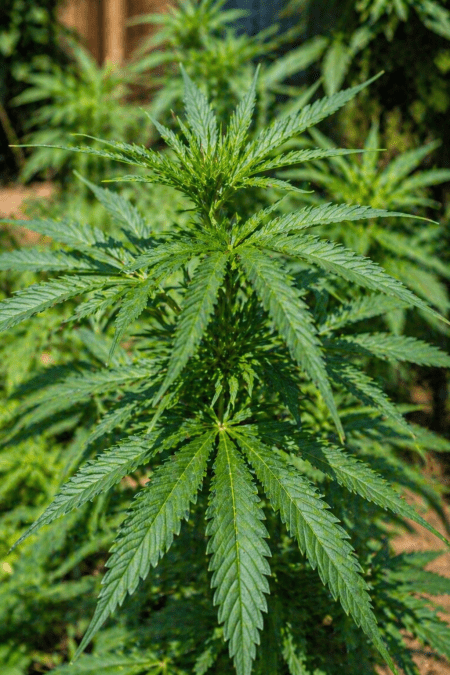
When bhang burns, heat breaks down many of its natural compounds, transforming them into new compounds.
Some of these newly formed substances are similar to those released when organic waste, wood or other plant materials burn.
The smoke contains a mixture of gases, particles and chemical by-products that create a heavier and more aggressive odour than the raw plant itself.
This is why someone smoking bhang often produces a smell that resembles burning garbage more than a fresh plant.
Human perception
The way humans interpret smells also plays a role. Over thousands of years, the brain has evolved to react strongly to sulphur-containing compounds because they are often associated with spoiled food, decomposition and potentially harmful substances.
As a result, when people detect similar chemicals in bhang smoke, the brain automatically links them to unpleasant experiences such as rotting waste or rubbish fires.
In many cases, the smell itself triggers a negative reaction before a person even knows its source.
Why it lingers
Another reason the smell stands out is that the compounds responsible for it tend to cling to clothing, walls, curtains and furniture.
Unlike many everyday odours that dissipate quickly, bhang smoke can linger in indoor spaces for hours.
This explains why a person may enter a building long after someone has finished smoking and still notice the distinctive smell.
The science explained
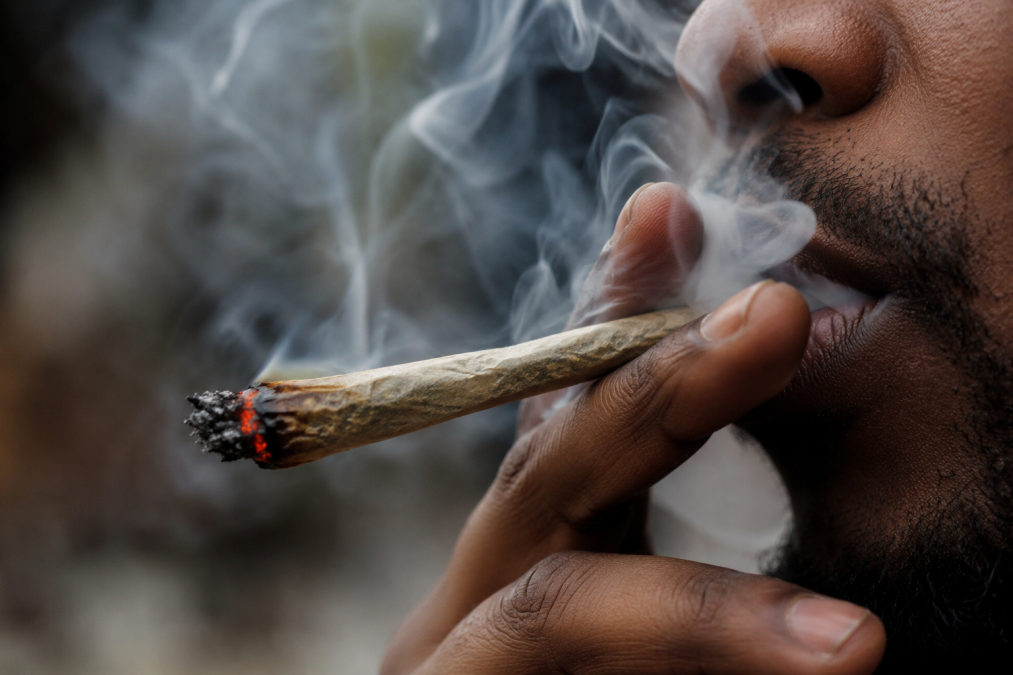
In simple terms, bhang smells like burning garbage because it contains sulphur-based compounds that the human nose is highly sensitive to.
When the plant is burned, these compounds combine with other chemicals in the smoke, creating an odour that many people associate with waste, decay or rubbish fires.
What seems like a simple smell is actually the result of complex biological and chemical reactions taking place both in the plant and inside the human brain.