Advertisement
NEMA official discloses proposed regulations on waste segregation at source
05th August, 2025 12:54 AM
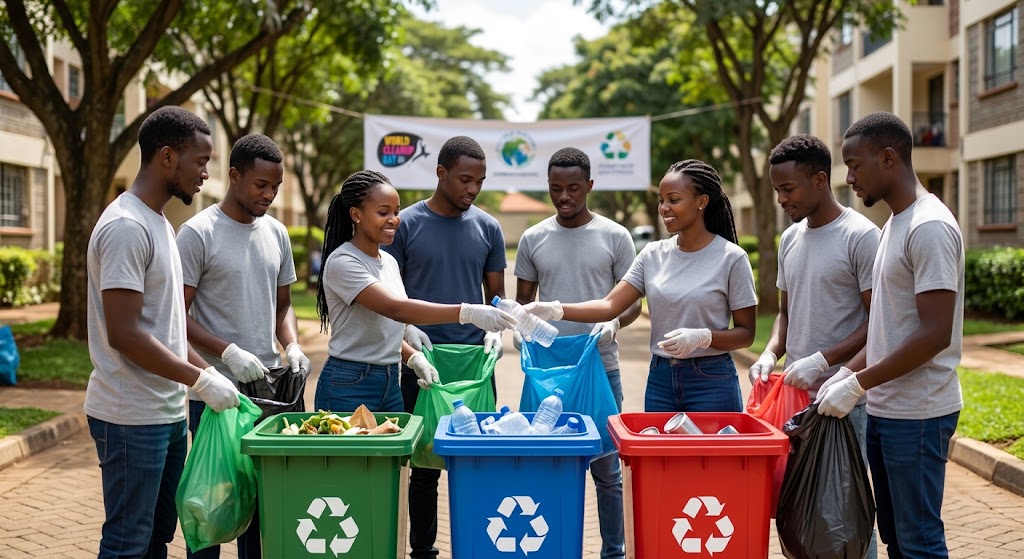
The National Environment Management Authority (NEMA) is proposing stricter regulations that will require individuals and businesses to separate their waste at the point of generation, in a shift aimed at promoting a circular economy and opening up the waste sector to more entrepreneurs.
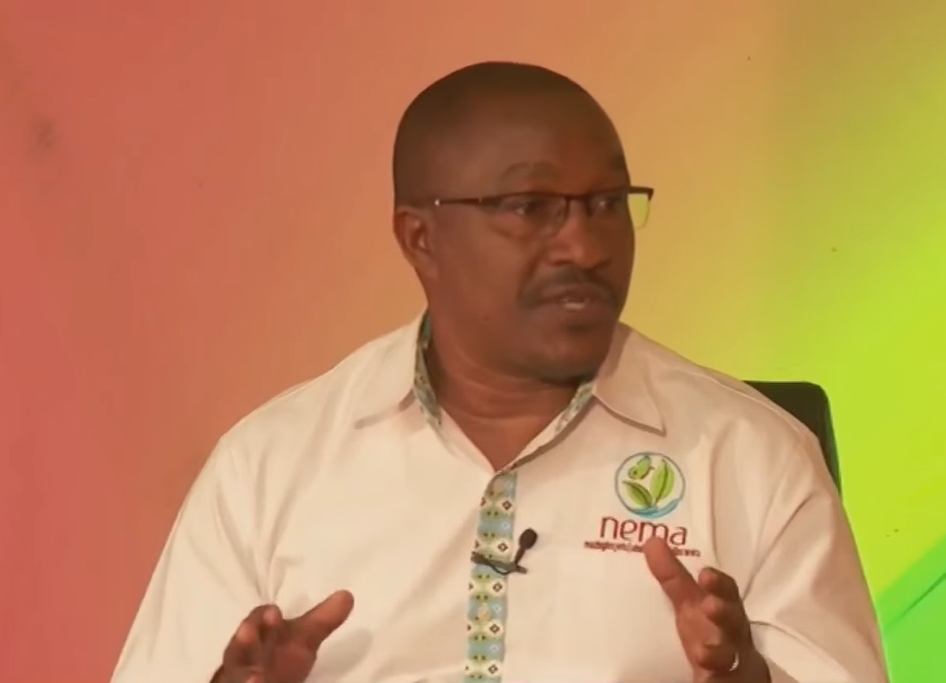
Speaking on a local media station on August 4, 2025, the NEMA County Director for Nakuru, Joseph Kopejo, explained that the regulations mark a significant evolution in Kenya’s approach to waste management since the enactment of the Environmental Management and Coordination Act (EMCA), which elevated waste management to an environmental issue of international prominence.
“After we promulgated our constitution in 2010, the issue of waste management reverted back to county governments, which have been implementing this issue as a devolved function. But NEMA retained the overall mandate of policy and standards,” Kopejo noted.
Monetising waste management
Outlining key provisions of the framework, Kopejo noted that a significant aspect of the regulation is the monetisation of waste management, aimed at helping enterprises thrive in the sector.
This, he says, will be achieved through the introduction of mandatory waste segregation at the source.
“The highlight of that shift will be in the form of mandatory waste segregation at source,” Kopejo emphasised.
“And this is supposed to support the entrepreneurs that will now be investing in that ecosystem to be able to uptake whatever waste is available for management and to make money out of it in an easier way,” Kopejo noted.
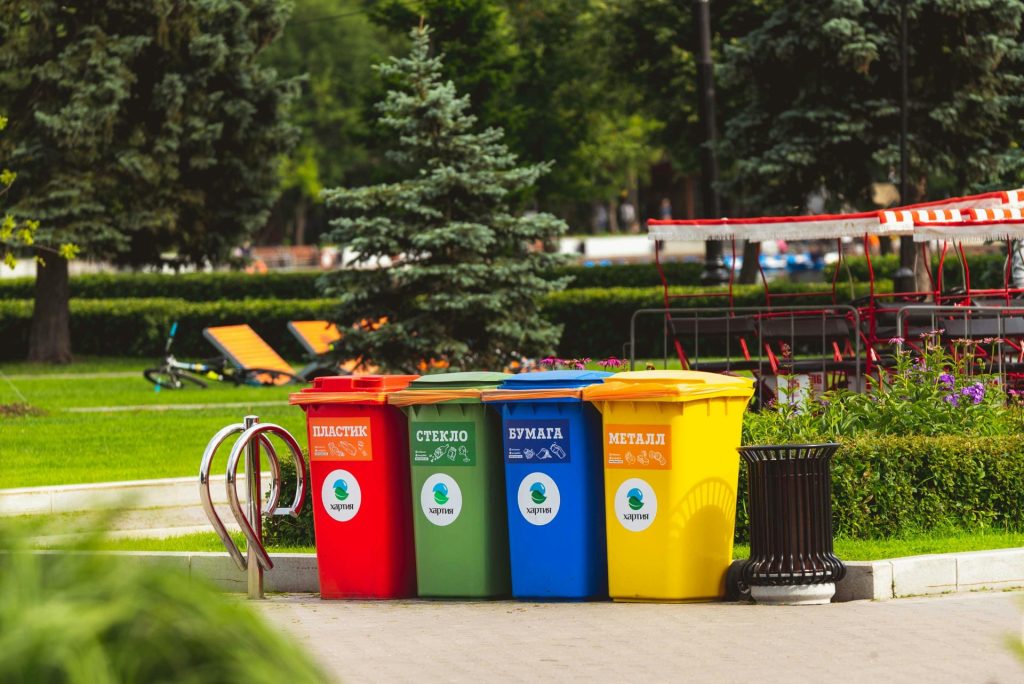
Kopejo explained that the aim is to ensure waste is viewed as a resource and not just a nuisance, thereby creating an environment where private entrepreneurs can thrive through reuse, recycling and innovation.
“We require that from the source, the waste is segregated. It is transported as still being segregated so that anybody wanting to access the materials will now access the material easily for other waste management initiatives,” he stated.
Economic opportunities
Kopejo described this initiative as a major shift that will contribute to a circular economy approach to waste management, moving away from the traditional linear model of disposal.
“This is a major shift because now it will support the entire circular economy ecosystem of waste management. And in the process, people will find business opportunities that they will uptake within that area,” he said.
He expressed optimism that these changes will lead to new income-generating opportunities across the country.
“We expect that more individuals and entrepreneurs will come into the business and take up whatever waste is available now as a resource—not for dumping, but for recycling, for reuse, and other initiatives that will provide incomes for them,” he said.
Direct responsibility
Kopejo further stated that the framework will place direct responsibility on waste generators, requiring them to take accountability for their environmental impact.
“Anybody generating waste or importing material that will end up as waste in our environment is now required by regulation to take direct responsibility,” he said.