Advertisement
Morara Kebaso blames entrenched corruption on voter loyalty to politicians
25th August, 2025 02:05 AM
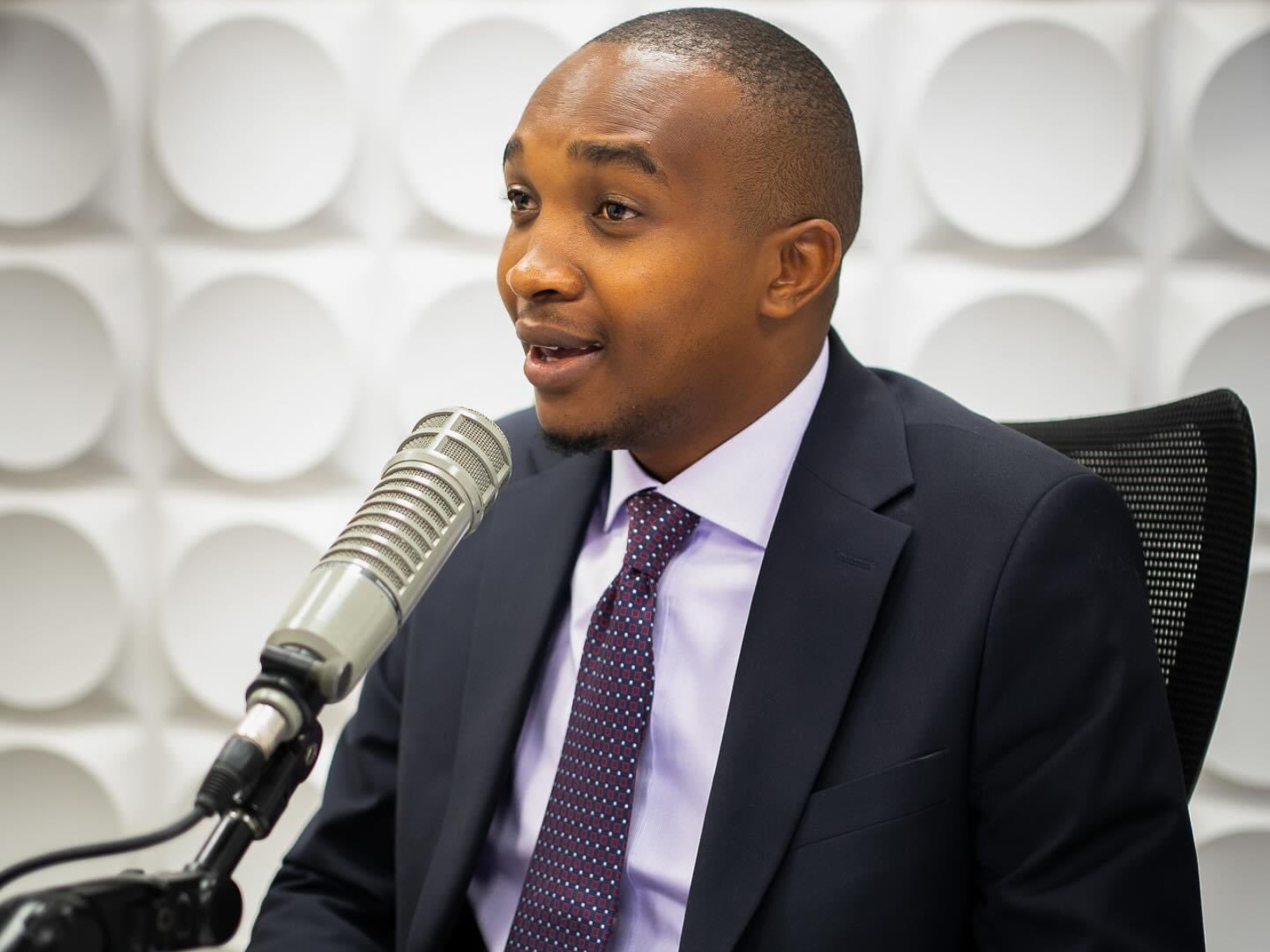
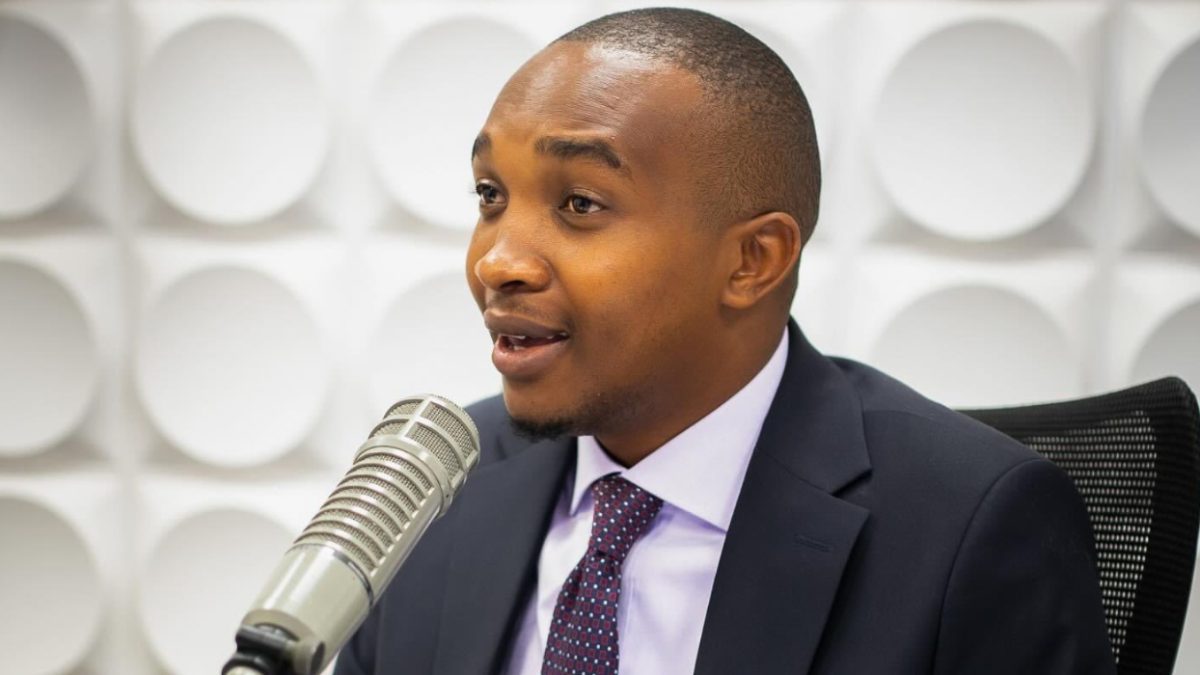
Political activist and businessman Morara Kebaso has blamed Kenyans for enabling leaders who preside over corruption scandals, saying voters continue to recycle the same politicians despite repeated cases of theft.
In a statement shared on his X account on Sunday, August 24, 2025, Morara argued that while scandals such as the Social Health Authority (SHA) heist dominate headlines, the deeper tragedy lies in citizens continuing to elect leaders implicated in graft.
In his view, Kenyans bear direct responsibility for the country’s governance crisis because they repeatedly recycle the same politicians, including those who move from one camp to the other with little regard for integrity.
He noted that even when the current regime faces rejection at the ballot in 2027, voters are still likely to hand its leaders and party representatives parliamentary seats, ensuring their continued influence in government.
Kebaso observed that future administrations will inevitably have to depend on such figures to push through critical decisions in the National Assembly, from Cabinet approvals to budget allocations.
He stressed that the challenge Kenya faces is not only at the highest levels of power but is deeply rooted at the grassroots, where citizens enable corrupt leaders.
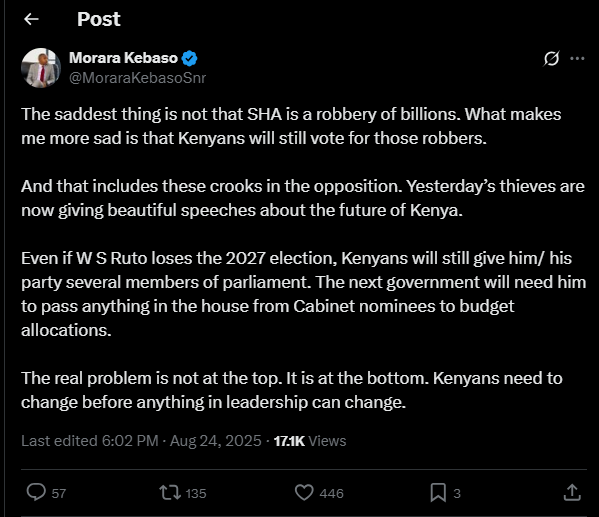
“The saddest thing is not that SHA is a robbery of billions. What makes me more sad is that Kenyans will still vote for those robbers. And that includes these crooks in the opposition. Yesterday’s thieves are now giving beautiful speeches about the future of Kenya. Even if W S Ruto loses the 2027 election, Kenyans will still give him or his party several members of parliament,” Morara stated.
Adding;
“The next government will need him to pass anything in the House, from Cabinet nominees to budget allocations. The real problem is not at the top. It is at the bottom. Kenyans need to change before anything in leadership can change.”
Rot in SHA
His sentiments come after reports that billions of shillings meant for healthcare may have been siphoned off through fraudulent claims and fictitious facilities under the Social Health Authority.
SHA was established to replace the troubled National Health Insurance Fund, which had been plagued by years of mismanagement and graft. However, the new body is already facing serious credibility questions after billions of shillings were disbursed to questionable facilities across the country.
In March 2025, SHA paid out about Ksh11.4 billion to hospitals. It was revealed that some small private facilities had received unusually large amounts. Civil groups and the Kenya Medical Practitioners Union warned that some of the listed facilities might not exist, while others had exaggerated claims to receive inflated payouts.
The Ministry of Health launched a crackdown in June and July, with investigators uncovering falsified patient records, double claims, and even forced admissions. Health Cabinet Secretary Aden Duale said investigators discovered hospitals that admitted ghost patients and inflated their bed capacities to siphon more funds.
The government has since suspended or shut down dozens of facilities. On August 7, 2025, a Kenya Gazette notice listed 40 hospitals that were barred from the SHA program after a forensic audit. Twelve clinicians and doctors linked to the fraudulent claims were also blocked from accessing the platform.
Investigators revealed shocking cases, including hospitals billing patients multiple times and disguising outpatients as inpatients to raise charges. In one incident, payments were traced to a location that turned out to be a thicket rather than a functioning hospital. The revelation of ghost hospitals and ghost patients has fueled public anger.
SHA has denied some of the allegations. It dismissed claims that Ksh20 million was disbursed to Nyandiwa Hospital, insisting that the reports were false. Still, the denials have done little to calm a public that is increasingly sceptical of how health funds are managed.
Oversight agencies have also raised concerns. The Auditor General questioned how the SHA digital platform was procured, saying weak controls in the process left the system exposed to manipulation. Civil society groups accused the authority of bypassing competitive procurement procedures, creating more loopholes for fraud.
The unfolding scandal has revived memories of the defunct NHIF, which was also riddled with corruption. A May 2025 court ruling revealed that NHIF had been plagued by ghost patients, kickbacks and unpaid claims that crippled many hospitals.