Advertisement
Major cancer breakthrough as medics confirm nuclear solution
10th November, 2025 07:03 PM

There is renewed hope for cancer patients with the introduction of nuclear therapy to treat the killer disease.
This is after medics on Monday, November 10, 2025, assured the safety of using nuclear technology for cancer treatment, termed as more effective than conventional medicine, albeit at a higher cost that may be unreachable for many Kenyans.
A pioneer training on the safe use of nuclear energy for cancer treatment brought together local and international experts to share ideas and knowledge at Kenyatta University Teaching, Referral and Research Hospital (KUTRRH).
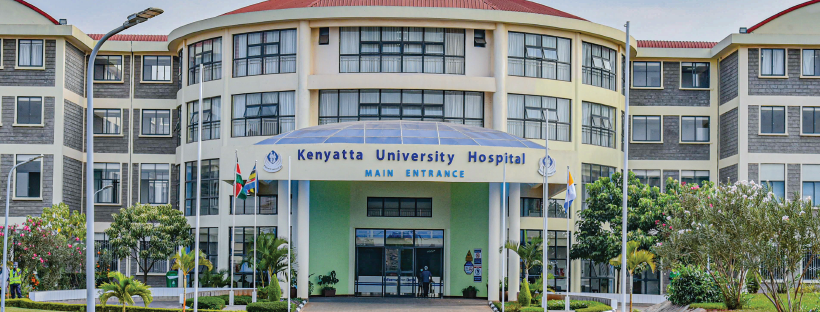
The procedure, known as theranostics, involves the injection of radioactive medicine into cancer tumours. It is the first ever to be conducted at a Kenyan hospital and even in the East African region, but the cost is still high at 10,000 US Dollars per cycle, which is close to Ksh1.3M.
Dr Harish Nagaraj, Consultant and Head of Nuclear Medicine at the KUTRRH Molecular Imaging Centre, said the procedure, which has previously not been available in Kenyan hospitals, takes about 4 to 6 cycles to treat a patient.
“A lot of finances are required in nuclear therapy, and that is why support is required from the government and donors since the treatment is not under the Social Health Authority cover,” Dr Nagaraj disclosed.

Arguing the case for nuclear therapy, the medic maintained that conventional methods of treatment for breast and prostate cancer have not been very effective in comparison, hence the better performance of the former outweighs the higher cost.
Dr Janke Kleynhans and Prof Jan Zeevaart, both of the International Atomic Energy Agency (IAEA) in South Africa, similarly reiterated the safety of nuclear cancer medicine, noting that the theranostic procedure involves injecting radioactive drugs directly into the cancerous tumour.
“This is the safest method to use to treat cancer, unlike other conventional oncology, where the drug damages the whole body or other unaffected organs.
“This one goes directly into the tumour and treats it before coming out as excretion. I believe this medicine is the best and safest alternative to cure the disease,” Dr Janke divulged.
Her colleague Prof Zeevaart concurred, saying people should not be scared of its use as all the safety measures have been established.
Deputy Director in the State Department for Science, Research and Innovation, Dr Frank Sawanga, maintained that there is a need to demystify nuclear science as it is usually associated with negativity, including radiation and bombs.
“The reason we have a lot of bad stories about nuclear is because of the failure of science diplomacy. This can help the population understand why we are going in that direction,” stated Dr Sawanga.
He also emphasised the importance of research by medical facilities like KUTRRH and higher learning institutions to spend more time and resources on research and innovation.
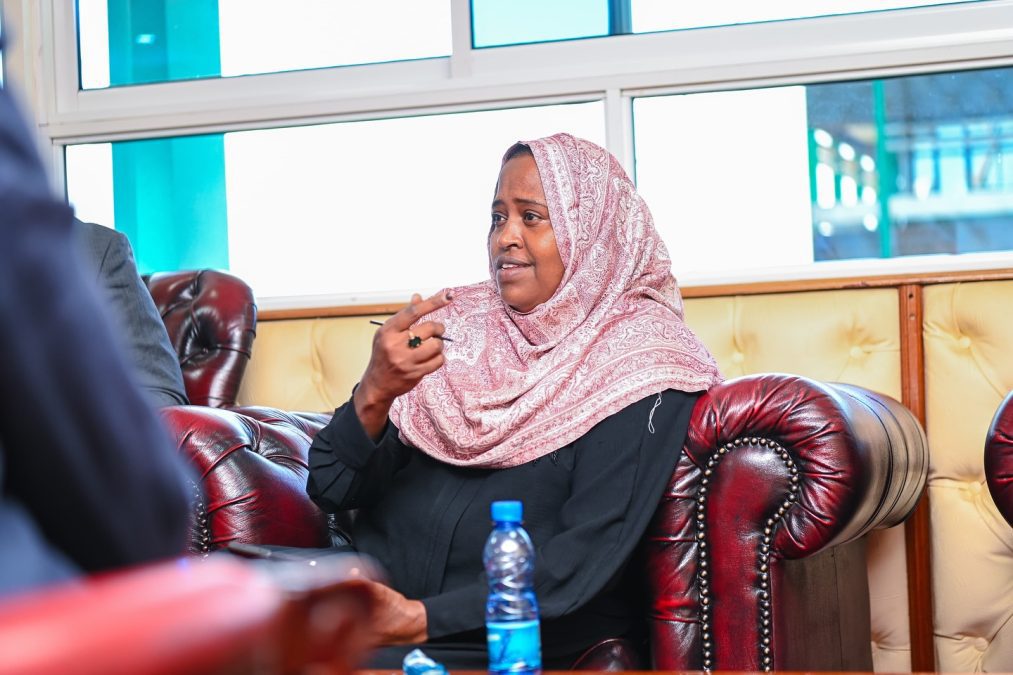
The KUTRRH Chief Executive, Dr Zainab Gura, said the institution is set to pioneer the use of nuclear medicine in Kenya and the region and appealed for more support from the State.
A director in the Department of Medical Services, Dr Andrew Toro, who is also the hospital’s pioneer CEO, assured that the Ministry will support the nuclear treatment initiative, noting that discussions were ongoing to introduce medical insurance cover under SHA.