Advertisement
Lang’ata MP backs law requiring public servants to use public hospitals
30th July, 2025 07:50 PM

Lang’ata Member of Parliament Phelix Odiwuor( Jalang’o) has thrown his weight behind a proposed bill that seeks to make it mandatory for all public servants to seek medical treatment in public health facilities.
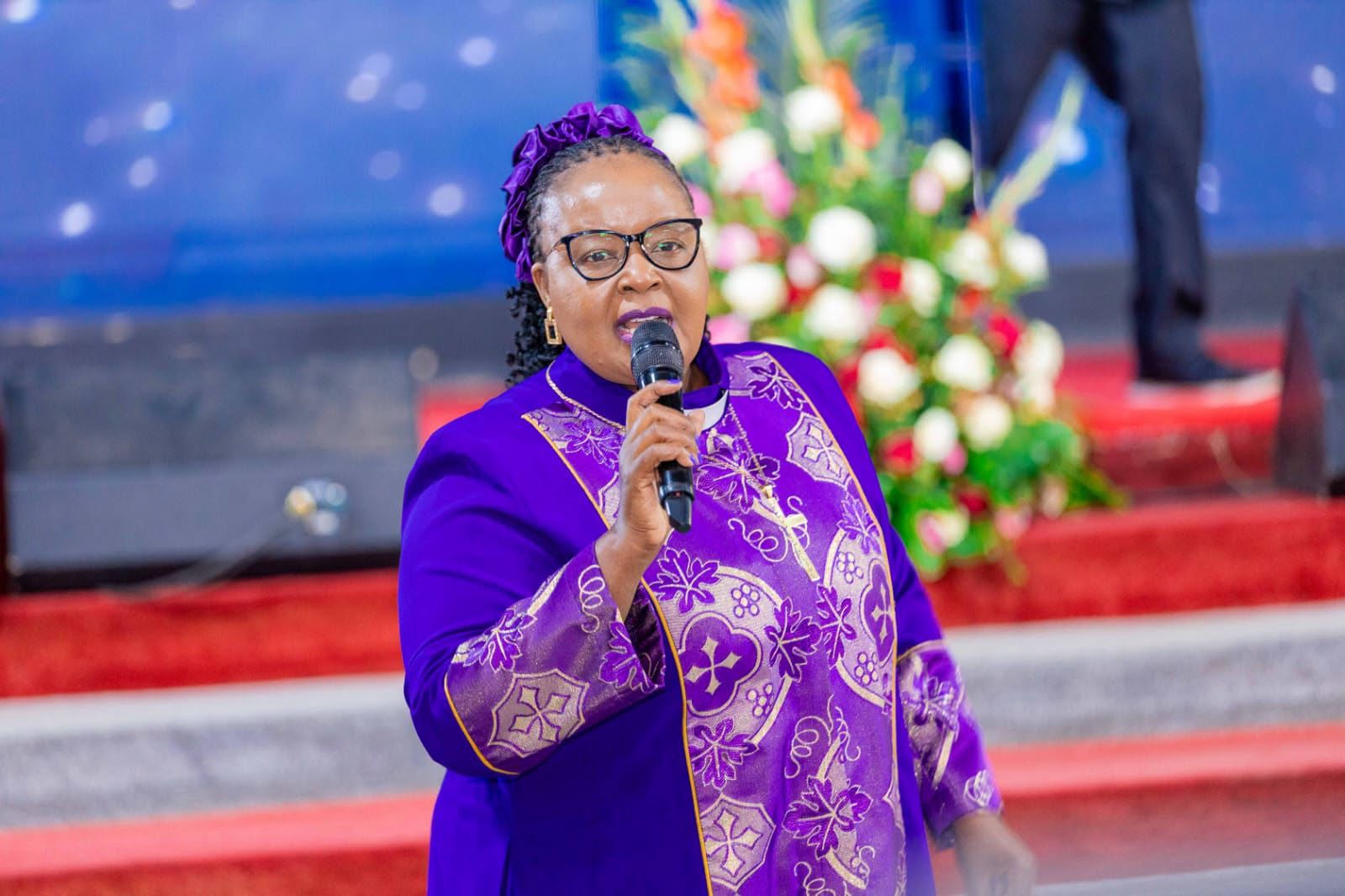
The proposed legislation by Nominated MP Sabina Chege, if passed, according to the lawmaker, would represent a significant shift in healthcare policy and public accountability.
Speaking in the National Assembly on Wednesday, July 30, 2025, the MP said it was time public officials led by example and relied on the same healthcare system that serves millions of ordinary Kenyans.
He said the current trend, where senior government officials bypass public hospitals in favour of expensive private care, undermines public confidence and weakens accountability in the health sector.
“You cannot fight for something unless you are a part of it. As leaders, we must start using public hospitals,” he said.

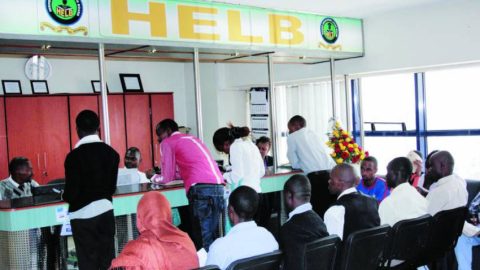
The MP cited Kenyatta National Hospital as one of the public institutions offering high-quality care, but which remains underused by public servants.
“For example, Kenya International Hospital provides some of the best services. But if you have a chance to use your insurance at a private facility, you will always go to that private hospital,” he said.
The proposed bill would bar public servants, including elected leaders, from using taxpayer-funded insurance to access treatment in private hospitals, unless the required medical service is unavailable in a public facility. In such cases, the law would require formal justification and referral.
Odiwuor also urged a review of how health insurance policies for public officers are structured, calling for stricter rules to prevent abuse of public funds through unnecessary use of private care.
“Insurance companies that provide our covers should not allow public servants to use them at private hospitals unless it is necessary,” he added.
The MP’s support for the proposed legislation is expected to fuel national debate, particularly among civil servants accustomed to private medical care under government-funded health schemes.
Stakeholders in the health sector have for years criticised public officials for neglecting public hospitals while receiving generous medical allowances. Advocates of the bill argue that compelling public servants to use public facilities would force faster improvements in service delivery, infrastructure, and staffing.