Advertisement
Kindiki: Job creation should be treated as govt’s top priority
29th September, 2025 10:01 AM
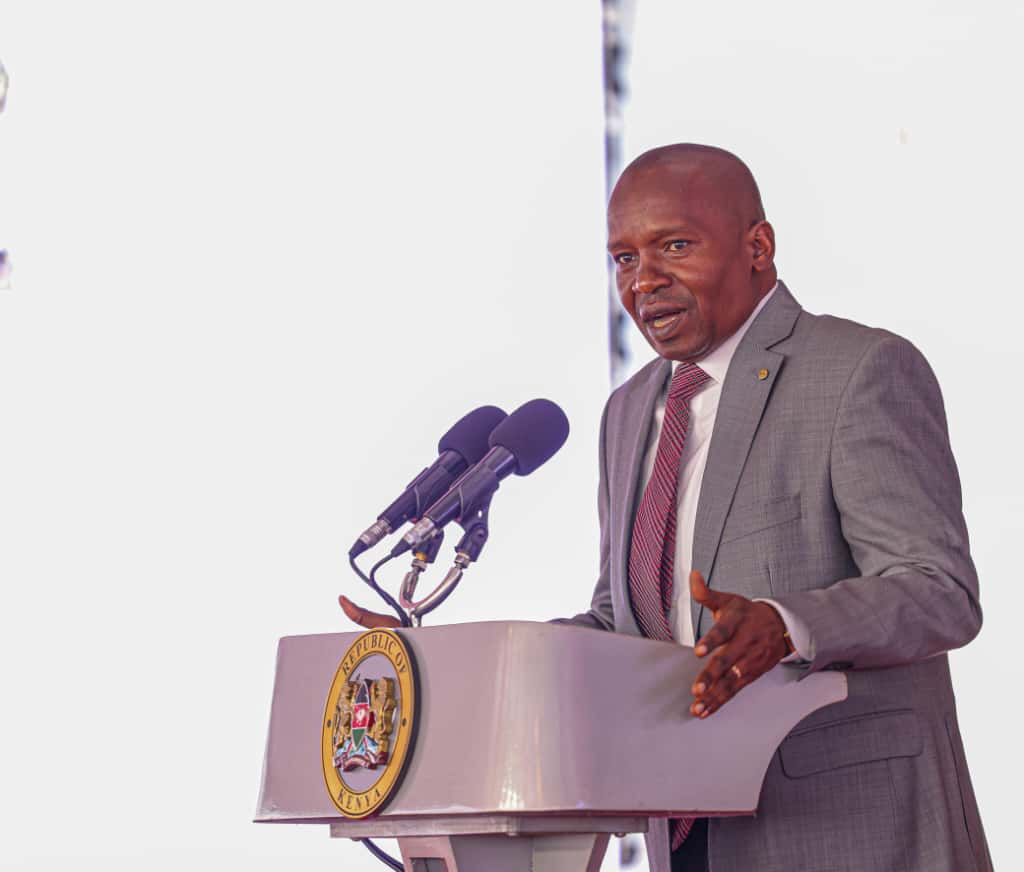
Deputy President Kithure Kindiki has called on the government to prioritise job creation, stressing that employment generation should remain central to national economic planning.
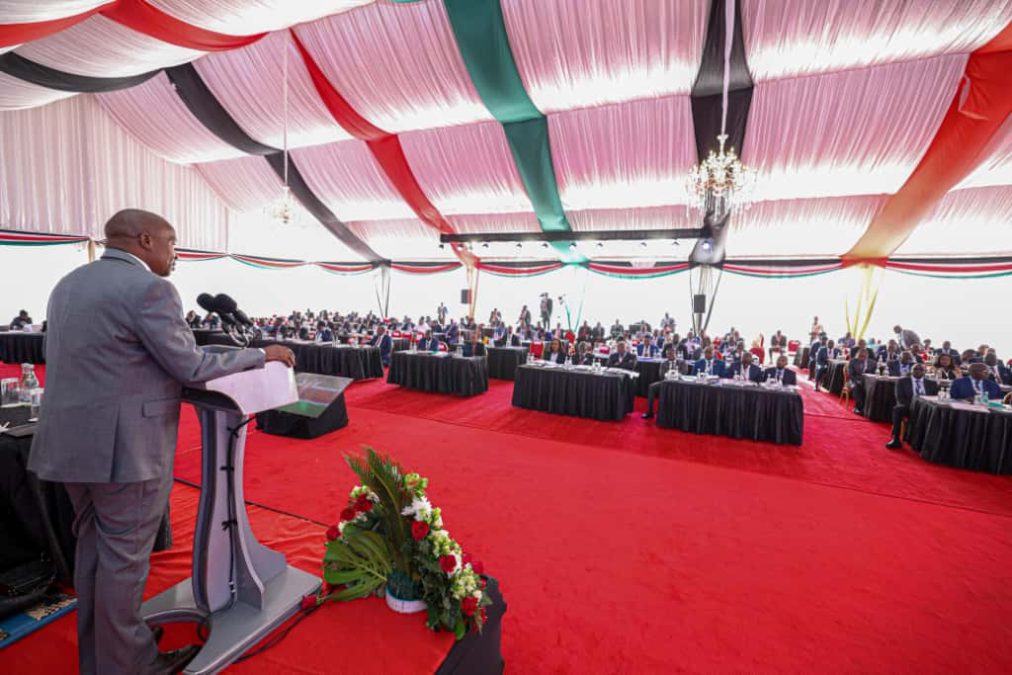
Speaking during the 28th Ordinary Session of the Intergovernmental Budget and Economic Council (IBEC)on Monday, September,29,2025, Kindiki said Kenya faces a pressing challenge of unemployment, particularly among the youth and women.
Also watch: Treasury PS places payroll, pension digitisation at heart of IBEC agenda.
He emphasised that the government’s interventions across all sectors must aim to create sustainable employment opportunities.
“Everything we do must create additional jobs for more people. Even short-term or casual employment is important because it is better to have some work than none at all,” he stated.
Jobs across sectors
Kindiki highlighted the importance of targeting value chains in agriculture, livestock, fisheries, and manufacturing as key drivers for job creation.
He said supporting these sectors with proper infrastructure, including roads, energy, water, ICT, fresh produce markets, and special economic zones, would boost productivity and generate broader employment opportunities.
Also Watch: Kindiki Defends Ruto-Raila Alliance, Dismisses Claims of Bias
“Infrastructure is not just about construction; it enables value chains to function effectively, creating jobs and improving incomes across the country,” he noted.
He also urged inclusion of youth, women, and diaspora populations in employment programs, noting that comprehensive engagement would ensure more equitable growth.
“If we invest in people, particularly the youth, and give them opportunities to participate in productive economic activities, we strengthen both communities and the national economy,” he added.
Economic stability
Kindiki stressed that job creation should go hand in hand with maintaining macroeconomic stability.
He cited the importance of controlling inflation, stabilising interest rates, and ensuring efficient public resource allocation to support employment initiatives.
Coordination between the national and county governments, he said, is essential to ensure that interventions reach communities and produce measurable results.
He also emphasised that social enablers like education and healthcare play a critical role in economic productivity.
“Healthy and educated citizens are more productive. Investments in social services directly contribute to economic growth and job creation,” Kindiki said.
The Deputy President called for long-term strategies to integrate job creation into all government programs, arguing that sustained focus on employment would not only improve livelihoods but also foster social stability and national development.
Author
William Muthama
William Muthama is a digital journalist with a focus on entertainment, human interest, and current affairs. Share stories: [email protected]/ [email protected]
View all posts by William Muthama