Advertisement
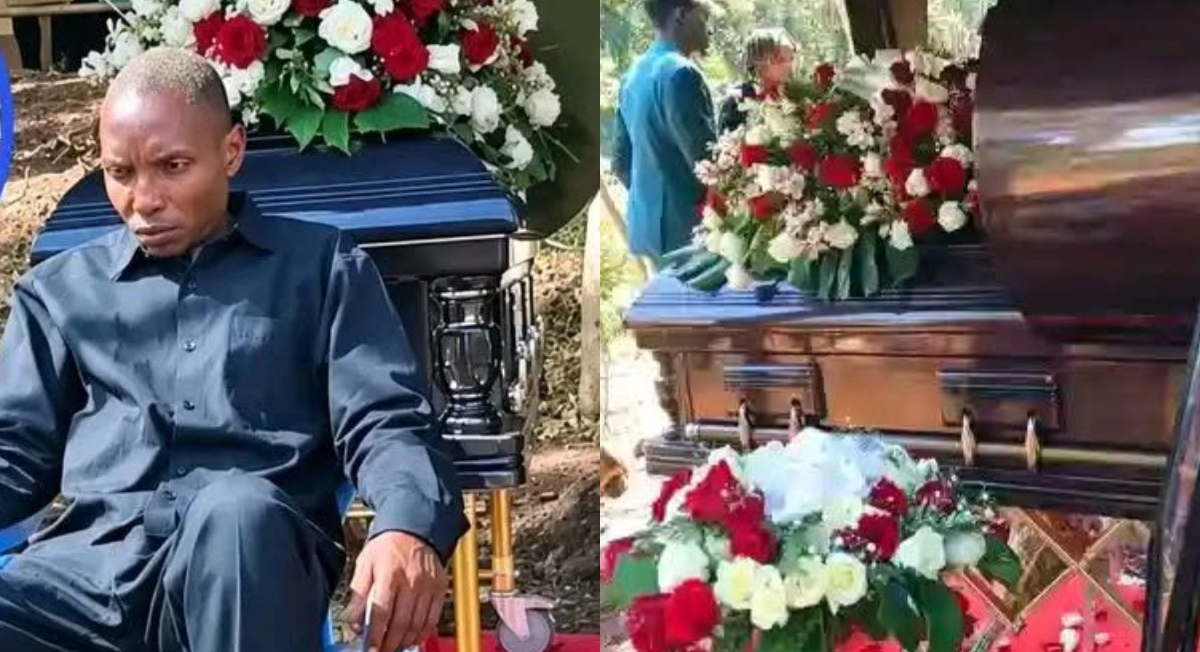
Kibagendi: On average, we do 18-23 funerals weekly in Kitutu Chache South
17th November, 2025 11:55 PM
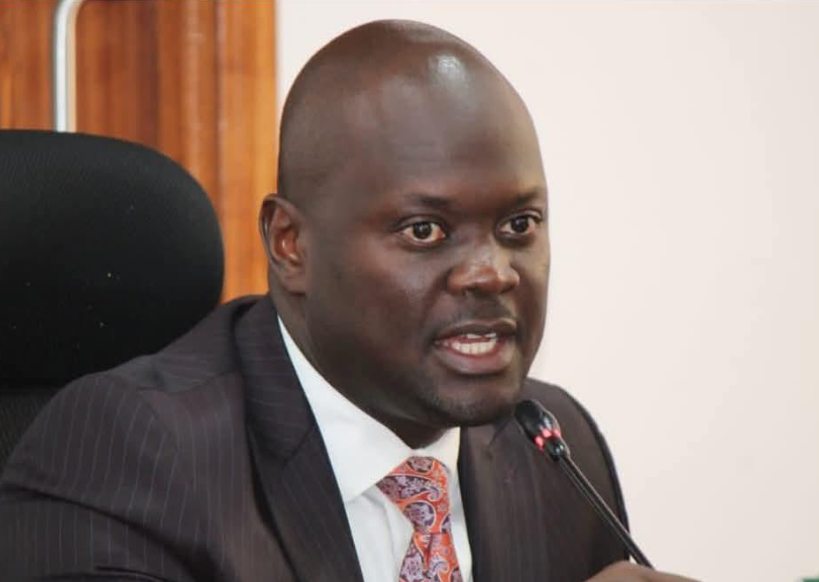
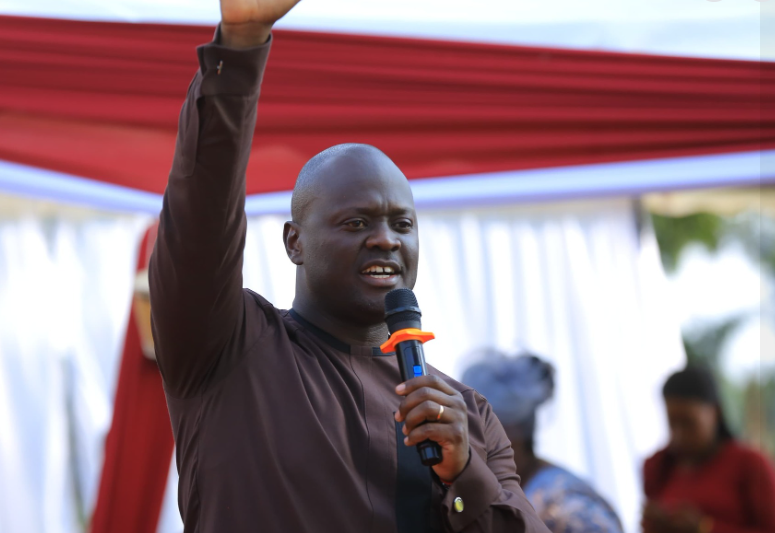
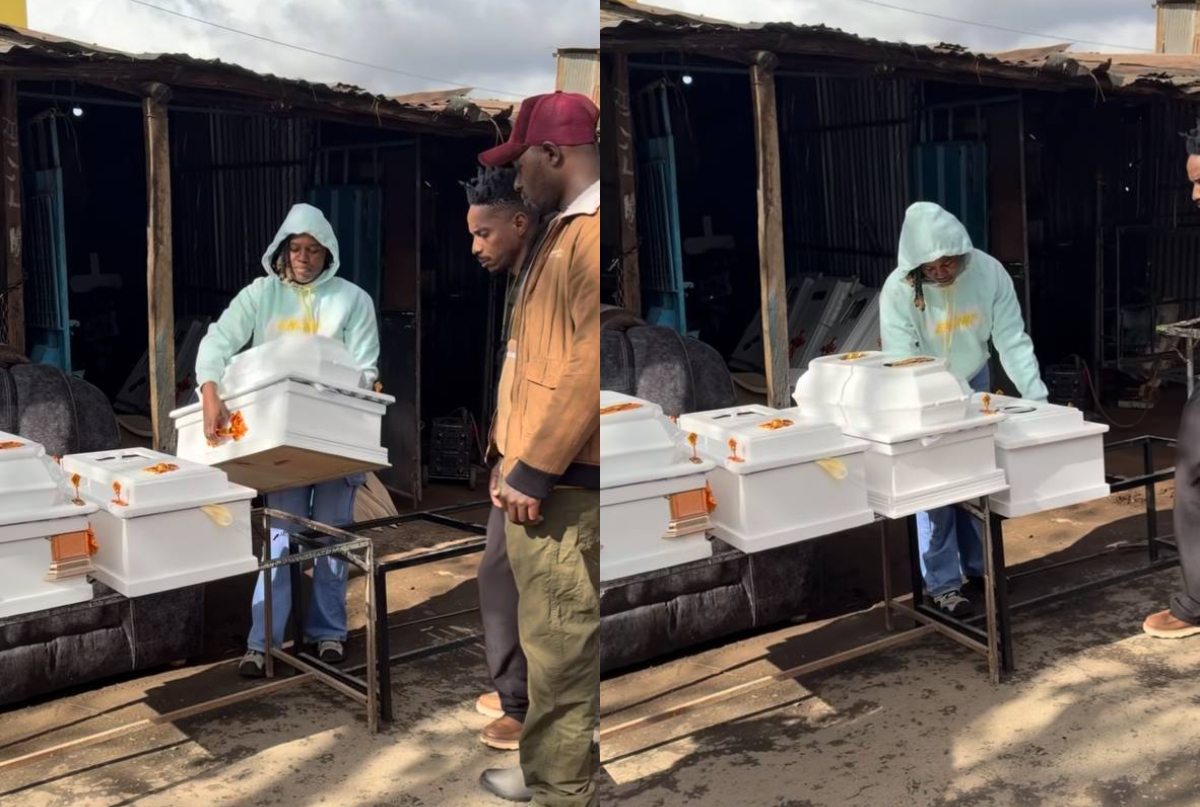
Kitutu Chache South Member of Parliament (MP) Anthony Kibagendi has revealed the heavy burden of supporting bereaved families in his constituency, saying they handle an average of 18 to 23 funerals every week.
Speaking during an interview on Oga Obinna TV Extra on Monday, November 17, 2025, Kibagendi explained that he personally contributes to every funeral, whether the death occurs within or outside the constituency.
“I support every funeral in my constituency. This is what we do. Kama mtu amekufia Nairobi au Mombasa, the Kisii community in Mombasa is very organised. They know how to transport the body all the way to Gusii, so it’s not a major expense,” he said.
He added that when a death occurs in major towns, he gives Ksh10,000 to assist with transporting the body home.
“So if someone dies in Mombasa or Nairobi, I give Ksh10,000 to move the body. For regular funerals in the constituency, I give a flat amount to every family. The family inapata kitu, and even the youths who dig the grave get something—hata pesa ya sabuni,” he said.
Kibagendi noted that the increasing number of funerals reflects a deeper national crisis.
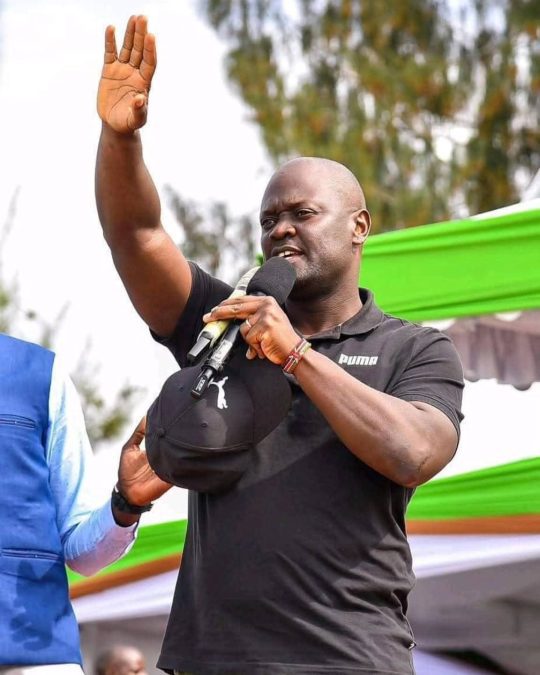
“This is something we need to talk about another day—the quality of life ya Wakenya imeenda chini. Universal healthcare is messed up, so more people are dying today. Monday unapata wawili, Thursday wanne, but Friday ndio wanakuwa wengi,” he added.
Furthermore, Kibagendi clarified that the support does not come from CDF or any public budget.
“I give it out of my pocket. Watu watauliza natoa wapi—I have businesses, and there are allowances I get that I spread across the month. While we support that way, as a politician, you also maintain name recognition,” he said.
Kibagendi also recounted the political setback he faced in 2017, when he won the ODM nominations but was denied the party ticket.
“Of course, they disappointed me once in 2017. I won elections, but the party thought it was not prudent for me to get the nomination. They felt I was still young and needed grounding. Sikuwa na kakitu, and I didn’t know how people were ‘toboka-ing’. Even in 2022, sikutoboka,” he said.