Advertisement
Kenya Power explains why your neighbour gets more tokens than you
10th October, 2025 11:59 AM
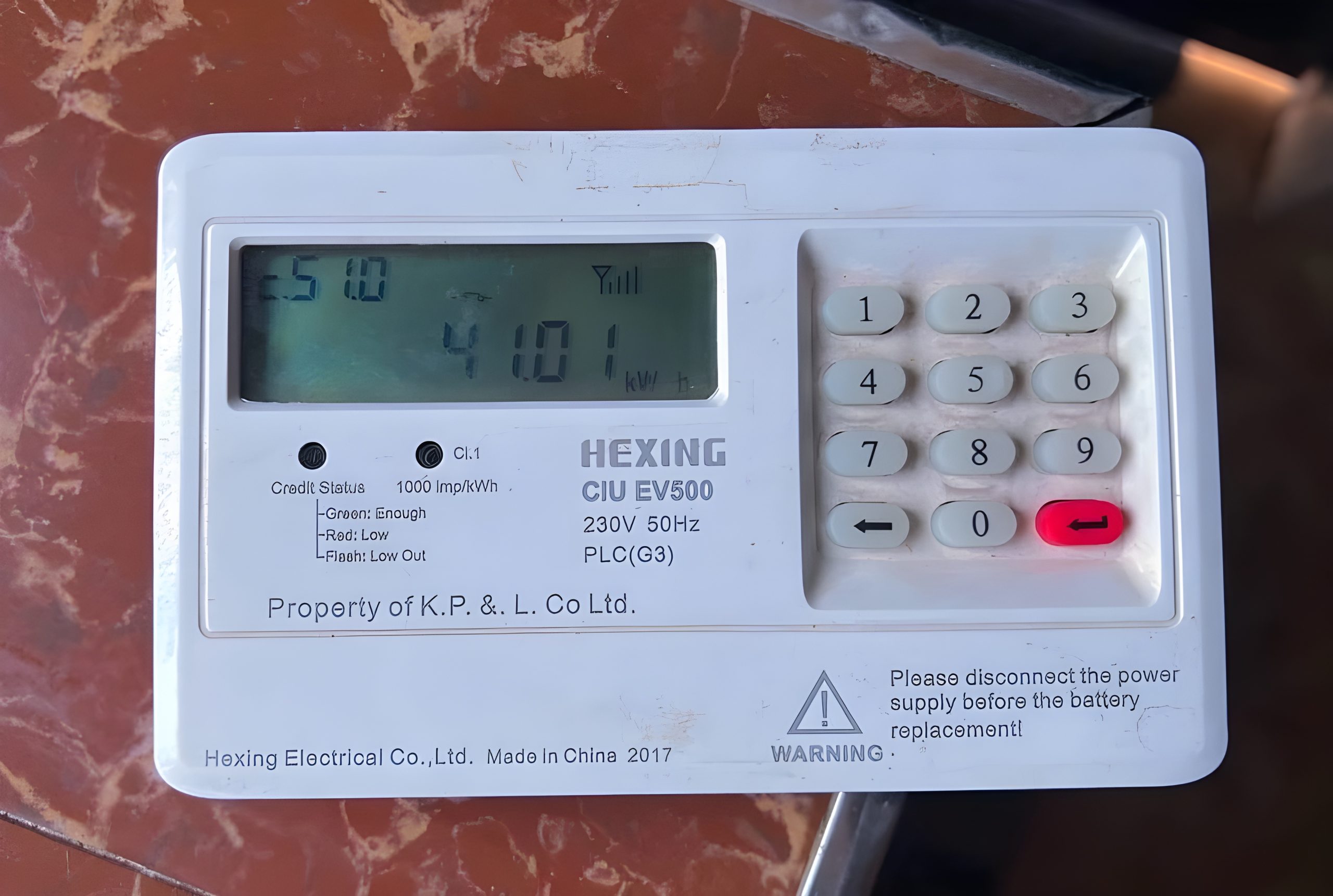
The Kenya Power and Lighting Company (KPLC) has finally let the cat out of the bag on why some customers receive fewer electricity tokens than their neighbours despite paying the same amount.
Through a post shared on its official Facebook page on Friday, October 10, 2025, Kenya Power said that there is no favouritism in the way tokens are issued.
Also watch: Four arrested in Kitui over KPLC power cable vandalism
The company clarified that the difference arises from how customers are categorised into various tariff brackets, depending on their electricity consumption over time.
According to Kenya Power, the myth that “my neighbour got more tokens than I did for the same amount” is false. “There is no favouritism.
“Kenya Power categorises customers into different tariffs based on monthly consumption patterns after three consecutive months, through automatic reclassification of tariffs,” the company stated.
The utility firm went ahead to outline its three main domestic tariff categories. The first is the Lifeline Tariff, which applies to customers who consume between 0 and 30 units per month.
The second is Domestic Ordinary 1 (DO-1), for those consuming between 31 and 100 units. The third is Domestic Ordinary 2 (DO-2), which applies to households that use more than 100 units monthly.
Kenya Power explained that once a customer’s consumption exceeds the limit of a given tariff for three consecutive months, they are automatically moved to the next level.
Also watch: Kenya Power blames transformer shortage for ongoing blackouts
This means that two customers paying the same amount could still receive different token values depending on their usage history.
“For example, if a customer consumes more than 30 units for three months in a row, they are reclassified from the Lifeline Tariff to DO-1. The higher the tariff, the fewer tokens one gets for the same amount of money,” the company added.
Energy-saving tips for customers
The explanation comes after years of public frustration and online debate about token disparities. Kenya Power’s message now seeks to address misinformation and promote transparency in billing.
Experts advise customers to regularly monitor their usage and adopt energy-saving habits such as switching off unused appliances and using energy-efficient bulbs.
These practices can help households remain within lower tariff categories and reduce monthly bills.
Kenya Power also assured customers of continued improvement in service delivery and urged them to seek clarification through official channels whenever in doubt.