Advertisement
Kanchory jolts Makau Mutua over protest victims’ compensation scheme
10th August, 2025 08:31 AM
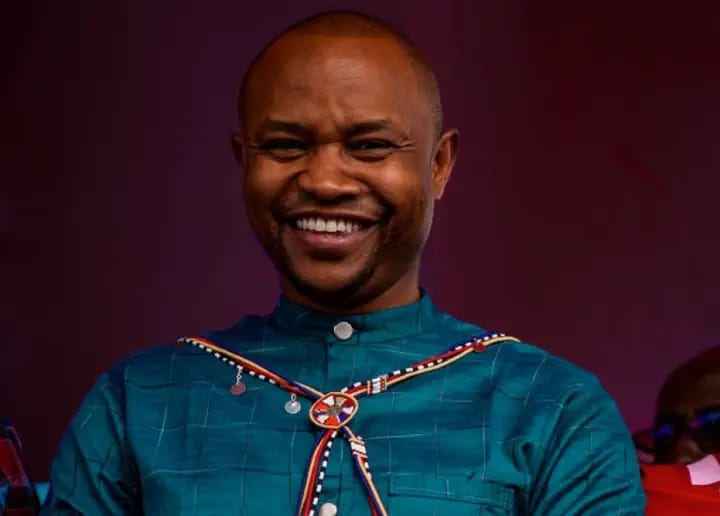
Former Azimio la Umoja presidential chief agent Saitabao Ole Kanchory has sharply criticised President William Ruto’s senior adviser, Makau Mutua, over his remarks on compensating victims of the anti-government protests, saying the regime he serves mirrors apartheid-era injustices.
The exchange was triggered after Mutua defended a proposed victim compensation scheme, arguing that transitional justice initiatives are globally recognised efforts used by governments to heal historical wounds and foster national reconciliation.

In a statement on his X account on Sunday, August 10, 2025, Kanchory accused the government of hypocrisy, stating that no amount of compensation can whitewash state-sponsored violence.
“We accept your analogy, Prof. The apartheid regime and the regime you serve have much in common; they are both blood-based,” Kanchory wrote.
He went on to question the sincerity of the government’s proposed initiative, calling it a distraction from accountability.
“For every Tutam that is obtained by bribery and coercion, there are at least 100 free Wantams straight from the heart,” he said in the follow-up tweet.
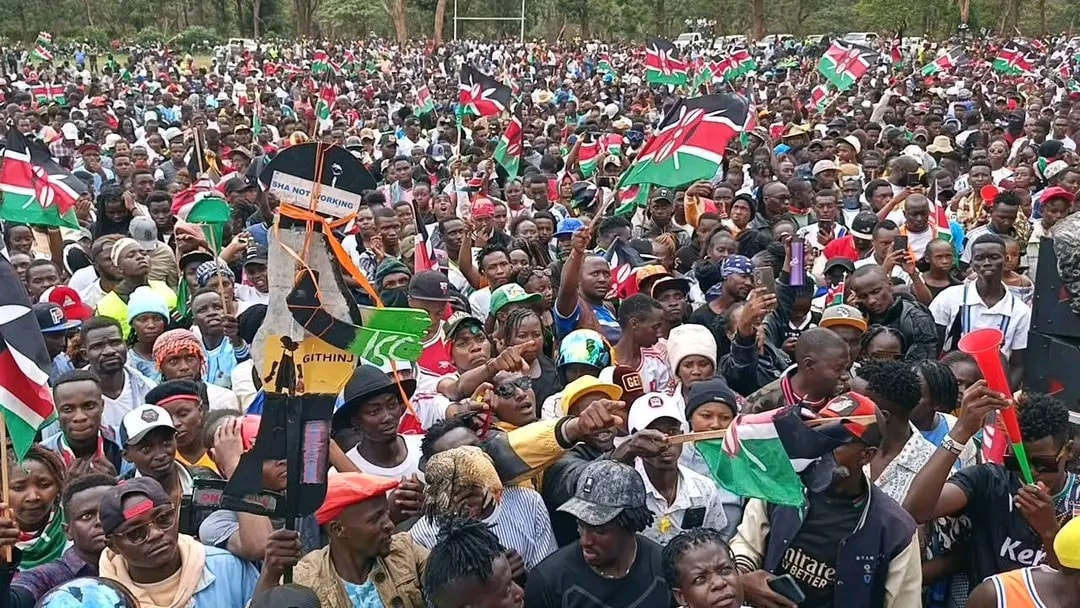
Kanchory’s remarks add to growing public scrutiny of the government’s handling of recent protests, particularly amid calls for accountability over extrajudicial killings and enforced disappearances of young demonstrators.

Makau telling off critics
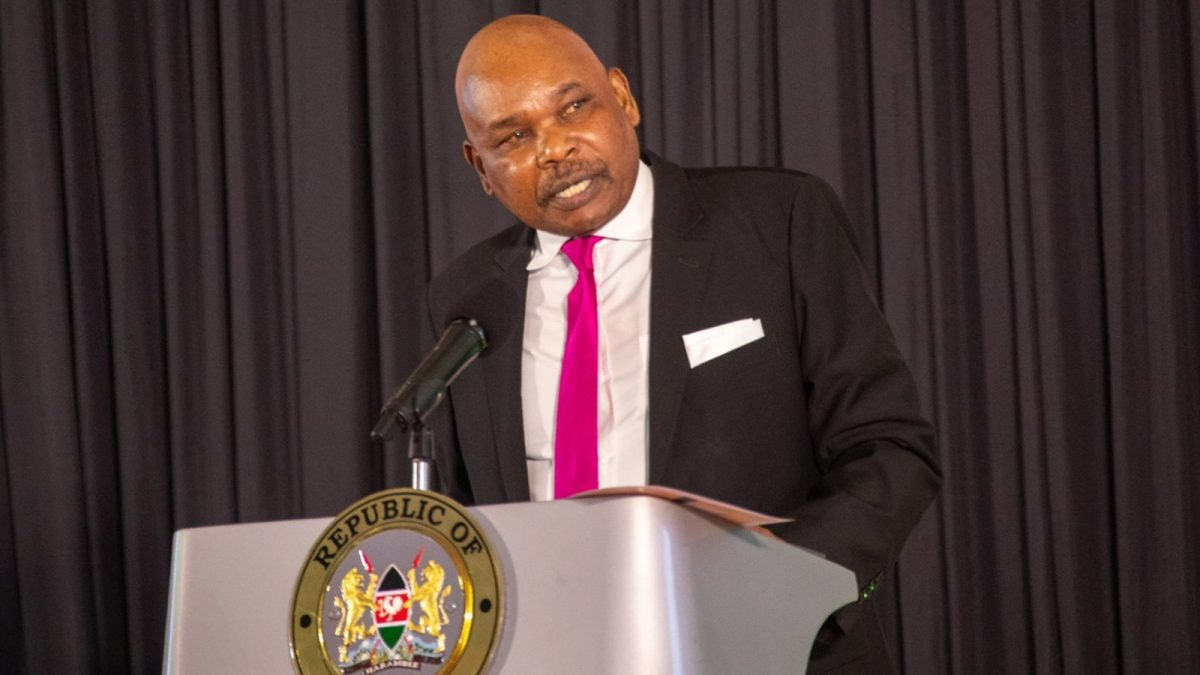
Mutua, who was appointed to lead the compensation scheme team, strongly defended the government’s proposal to establish a compensation mechanism for victims of protests and riots.
Taking to his official X account on the night of Saturday, August 9, 2025, Mutua dismissed criticism from Wiper Patriotic Front leader Kalonzo Musyoka and his Democratic Action Party of Kenya (DAP–K) counterpart Eugene Wamalwa.
Mutua argues that Kalonzo and Wamalwa are wrong to claim that such a mechanism could not be set up by the Government of Kenya.
He argued that transitional justice initiatives are routinely implemented by governments around the world to address historical injustices and heal national wounds.
“I have seen a statement by my friends @skmusyoka and @EugeneLWamalwa claiming that the Government of Kenya cannot establish a compensation mechanism for victims of protests and riots. They couldn’t be more wrong.
“Transitional justice mechanisms are always done by governments. The most famous of these was the South African Truth and Reconciliation Commission (TRC). The TRC was set up by the Government of National Unity to help deal with what happened under apartheid,” Mutua stated.
He explained that the TRC, established by South Africa’s Government of National Unity, was instrumental in confronting atrocities committed under apartheid, which included gross human rights violations against Black South Africans.