Advertisement
Jamaica braces for devastation as Hurricane Melissa hits category 5
27th October, 2025 04:51 PM
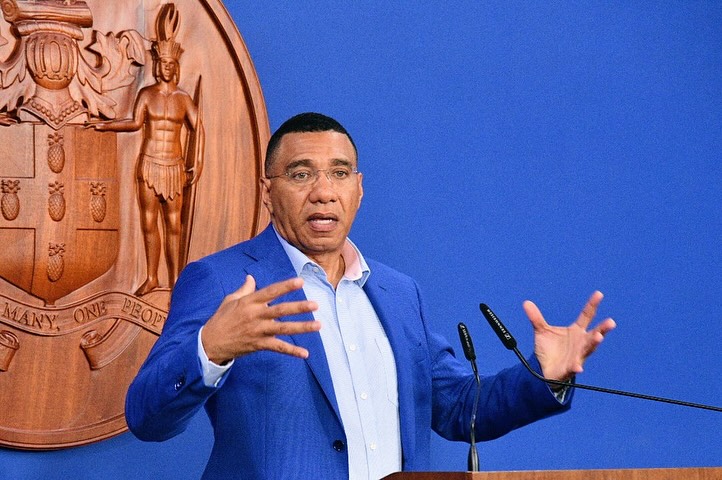
Hurricane Melissa strengthened into a powerful Category 5 hurricane on Monday, threatening days of catastrophic winds and torrential rain across the northern Caribbean. Jamaica’s government has ordered mandatory evacuations for vulnerable areas across the country, including the capital, Kingston.
Jamaican officials had earlier urged residents in low-lying and flood-prone areas to seek refuge as Melissa rapidly intensified on the Saffir–Simpson hurricane wind scale.
During a press conference in Kingston on Sunday, Jamaican authorities announced that both international airports were closed and 881 shelters had been activated.
“Many of these communities will not survive the flooding,” said Desmond McKenzie, the Minister of Local Government. “Kingston is extremely low. No community in Kingston is immune.”
Jamaica’s Prime Minister, Andrew Holness, later issued mandatory evacuation orders for Port Royal in Kingston and six other vulnerable areas across the country, including Old Harbour Bay.
Holness said earlier: “I urge Jamaicans to take this weather threat seriously. Take all measures to protect yourselves.”
As of Sunday night, Melissa was centred about 125 miles (205 kilometres) south-southwest of Kingston, Jamaica, and around 310 miles (495 kilometres) south-southwest of Guantánamo, Cuba. It had maximum sustained winds of 145 miles per hour (230 kilometres per hour) and was moving west at 5 miles per hour (7 kilometres per hour), according to the US National Hurricane Centre.
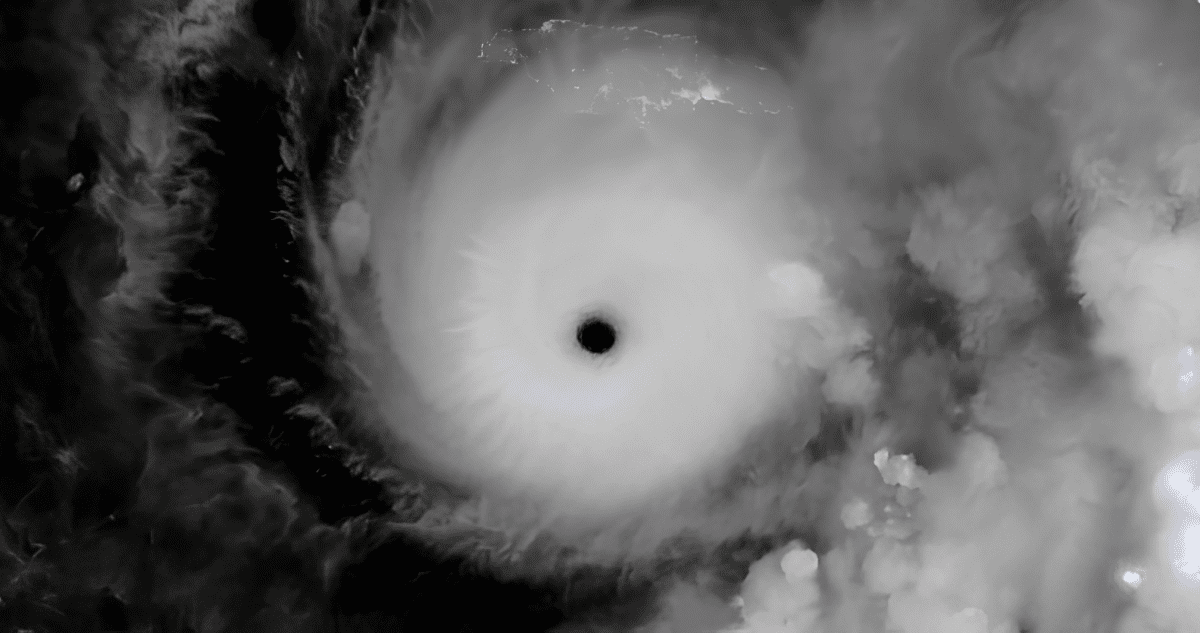
Melissa was expected to bring up to 30 inches (76 centimetres) of rain to Jamaica and southern Hispaniola — Haiti and the Dominican Republic — with some areas possibly seeing as much as 40 inches (1 metre).
Experts have warned that the combination of rapid intensification and slow movement could lead to a catastrophic, record-breaking natural disaster. In its increasingly grim updates, the Hurricane Centre cautioned that extensive damage to infrastructure, widespread power and communication outages, and the isolation of communities in Jamaica were to be expected.
Some residents in Port Royal, a small fishing village and one of Jamaica’s most exposed communities, have refused to heed official advice to leave their homes and take cover in shelters.
Residents such as Ann Marie Chamberlain, 51, decided to remain at home. She said villagers were confident they had done everything necessary to avert danger, adding, “Father God will protect us.”
Chamberlain, who is self-employed, said: “We know danger, and we know when we are in danger — and right now we are not. All the boats have been pulled up, the roofs with zinc have been secured… we are taking the necessary precautions.
“The main reason we refuse to leave Port Royal is because of an experience 21 years ago. We went to the shelter — the first night was fine when it was just us — but when others started coming, all hell broke loose. Females weren’t safe, and to top it off, people stole our belongings. You would go to sleep and wake up to find your radio, money and other things gone.”
Residents across the island have been preparing for the worst, securing small fishing boats and boarding up homes. “Everybody is already preparing; we know what it’s like,” said Derrick Powell, 42, a marketing manager. “We’ve heard about Hurricane Charlie. I experienced Gilbert and all the other storms. We don’t have gullies or rivers likely to burst their banks. If a little water comes up, it’s only a few, but by the time the rain ends, it disappears.”
After passing Jamaica, Melissa is expected to move towards Cuba by late Tuesday, where it could bring up to 300 millimetres of rain, before heading to the Bahamas late on Wednesday.
The Cuban government issued a hurricane watch on Saturday for the provinces of Granma, Santiago de Cuba, Guantánamo and Holguín.
The erratic and slow-moving storm has already killed at least three people in Haiti and one person in the Dominican Republic, where another remains missing.
Jamie Rhome, the Hurricane Centre’s deputy director, said: “Unfortunately for places along the projected path of this storm, the outlook is increasingly dire.” He warned that the storm would continue moving slowly for up to four days.
In Haiti, there were reports of rising river levels, flooding, and a bridge destroyed due to breached riverbanks in Sainte-Suzanne, in the north-east. Ronald Délice, a Haitian Department Director of Civil Protection, said: “The storm is causing a lot of concern with the way it’s moving.” Local authorities have organised food distribution lines, though many residents remain reluctant to leave their homes.
The storm has damaged nearly 200 homes in the Dominican Republic and disrupted water systems, affecting more than half a million people. It has also downed trees and traffic lights, triggered small landslides, and left more than two dozen communities isolated by floodwaters.
The Bahamas Department of Meteorology has warned that Melissa could bring tropical storm or hurricane conditions to islands in the south-east and central Bahamas, as well as the Turks and Caicos Islands, by early next week.
Melissa is the 13th named storm of the Atlantic hurricane season, which runs from Saturday, June 1, 2029, to Friday, November 30, 2029. The US National Oceanic and Atmospheric Administration had predicted an above-normal season with 13 to 18 named storms.