Advertisement
Experts warn that Kenya faces an acute cybersecurity manpower shortage
31st October, 2025 02:24 PM
Caption:Kenya ranked among countries facing acute shortage of Cyber security professionals in Africa.VIDEO/K24TV Kenya has been ranked as one of the countries in Africa that face an acute shortage of cybersecurity risk professionals, thus exposing entities to increased cases of cyberattacks.
This emerged during the annual Governors, Risk and Compliance (GRC) conference held in Naivasha on Friday, October 31, 2025, organised by Information Systems Audit and Control Association (ISACA).
Also watch: Omollo warns Kenyans against aiding or attempting cybercrime
Speaking during the conference, the association Vice-President George Kisaka, a survey conducted on the continent, noted that there was a massive deficit of cybersecurity professionals.
“We are working with partners and various educational institutions to capacity-build, to grow the skills in cyber security, in defence, in data protection in order to ward this off,” he said.
According to stakeholders, cyber threats are evolving as the demand for digital services explodes, but the internal capabilities are struggling to keep pace.
He admitted that the country and region could not meet the requirements of cybersecurity, adding that the continent could use the high number of unemployed youths by training them in technical and vocational education and training colleges.
“We are about to release about 250 graduates from various TVETs in the country who are well-skilled with AI skills, cybersecurity skills, and data protection skills,” he said.

AI threats
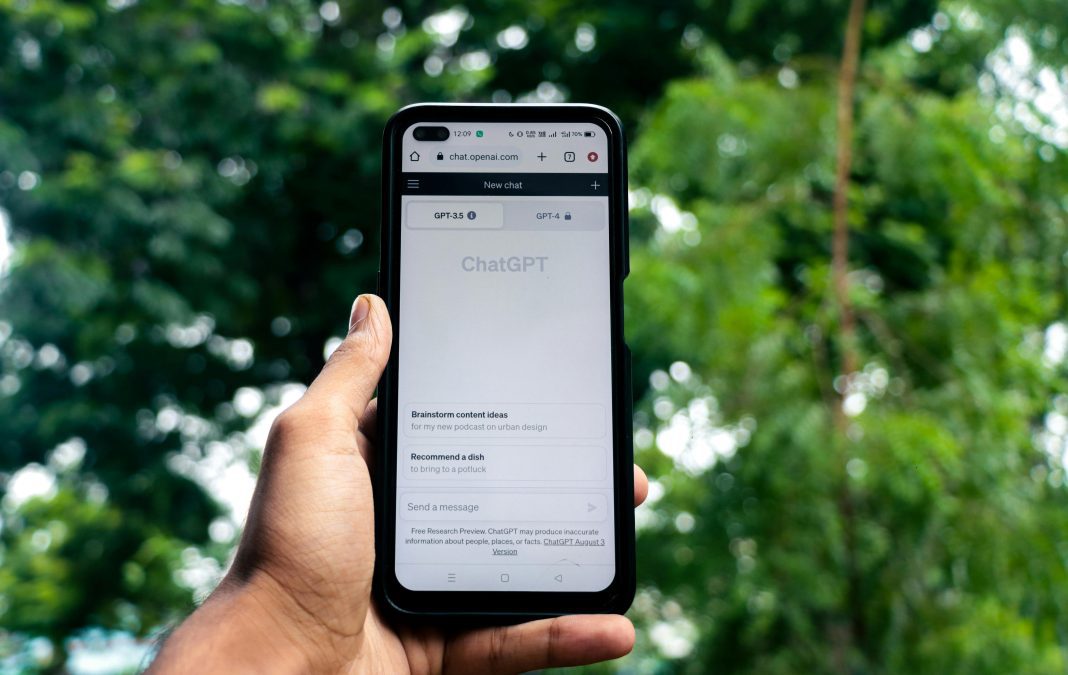
On cyber threats, he noted that artificial intelligence (AI) had increased cases of cyber-attacks, with the bad actors using the space to infiltrate systems.
“The people who are responsible for defending our organisations, corporates and industries against these cyber threats need to be well-versed with AI,” he said.
Also watch: Government defends Cybercrimes Law, says it won’t limit free speech
The director, Autonomous Data Safaricom PLC, Denish Sadda, noted that with AI, institutions like banks and health facilities should brace for more attacks.
He said that risk professionals should ensure that data was safe, adding that technology brought both opportunities and risks.
“There will be a lot of attempts to attack institutions and hence the need for better-skilled professionals to make sure it is guarded and there are no breaches,” he said.
“Because the risks that technology and opportunities bring, they also come with some risks that as a society we need to respond to and to deal with them.”
A data expert, Jimmy Couvaras from Zambia, noted that AI was relatively new in their country, though they were keen to fully embrace it.
“AI has a lot of promise, but there are also risks that we must watch out for, and such kind of engagement in addressing these opportunities and challenges,” he said.