Advertisement
Cybercrimes law: Kenyans want punitive penalties for online harassment
27th October, 2025 07:28 PM

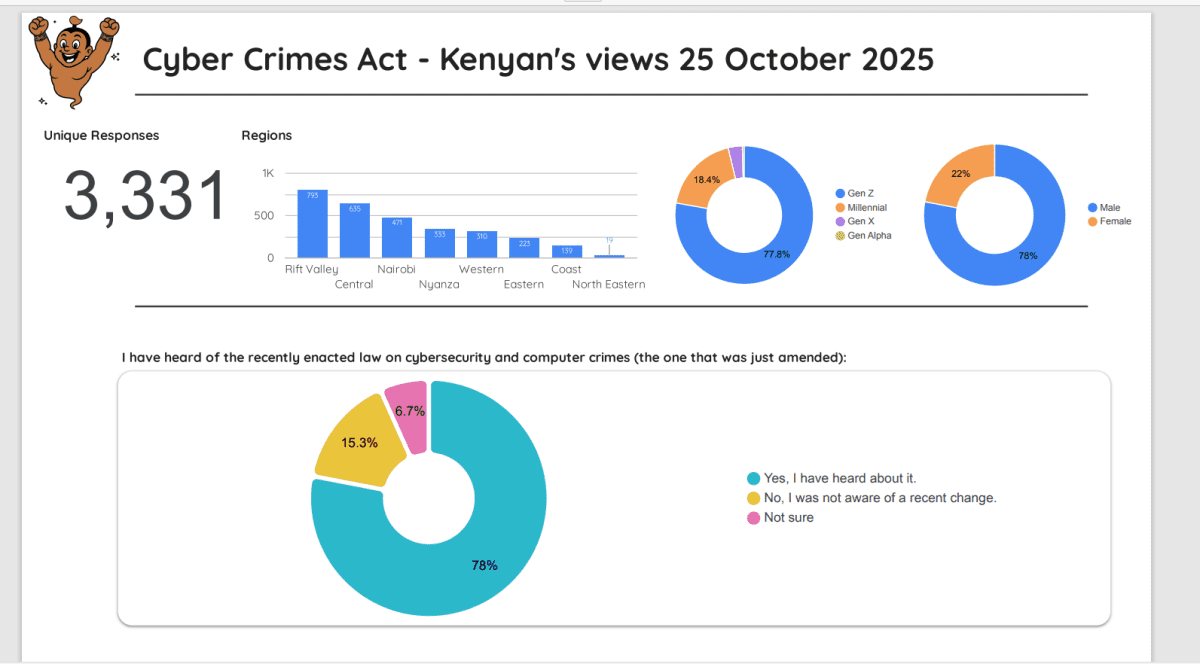
The recent amendments to Kenya’s Cybercrimes Act, which include stricter penalties for online harassment that results in emotional distress or suicide, have been largely welcomed by the public, according to a new report by Stahili Pulse.
The survey, dated October 25, 2025, highlights that 40.5 per cent of respondents believe the psychological impact of harassment specified in the law is causing emotional distress, while 25.6 per cent associate it with extreme psychological harm.
The findings indicate a significant portion of Kenyans recognise the severity of cyber harassment and see the need for stronger legal deterrents.
The report, which gathered responses from 3,331 participants across all regions of the country, shows that Gen Z and Millennials dominated the survey, representing 77.8 per cent and 18.4 per cent, respectively.
The poll also drew the highest number of respondents from Rift Valley (793) and Central Kenya (635), followed by Nairobi (471) and Nyanza (333).
In addition, the study reveals that 51.3 per cent of respondents consider the penalties prescribed in the amended Act, including fines and potential imprisonment, to be too harsh, with 34.2 per cent rating them as fair, and smaller proportions undecided or viewing them as too lenient.
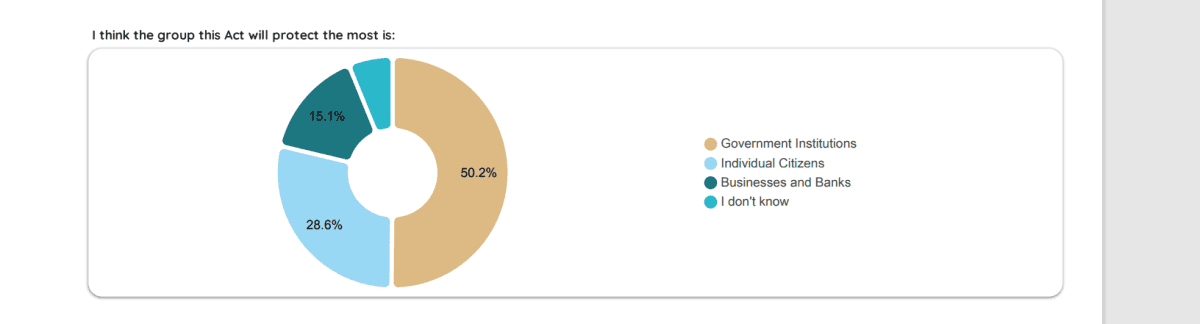
The report further suggests that Kenyans believe the law will primarily protect government institutions (50.2 per cent), followed by individual citizens (28.6 per cent) and businesses or banks (15.1 per cent), reflecting a public perception that both personal and institutional safety online is paramount.
Awareness of the amendment is high, with 78 per cent of respondents reporting that they are aware of the recent changes to the Cybercrimes Act, and 67 per cent correctly identifying the President as the signatory of the law.
Despite the positive reception for harsher punishments, there remain concerns about potential restrictions on online expression, with 46.7 per cent of Kenyans indicating that they fear the Act could limit freedom of speech.
The report also shows strong public understanding of new provisions for critical sectors such as banking, with 61.6 per cent of respondents noting that security incidents must now be reported within 24 hours, reflecting confidence in the Act’s capacity to prevent large-scale fraud.
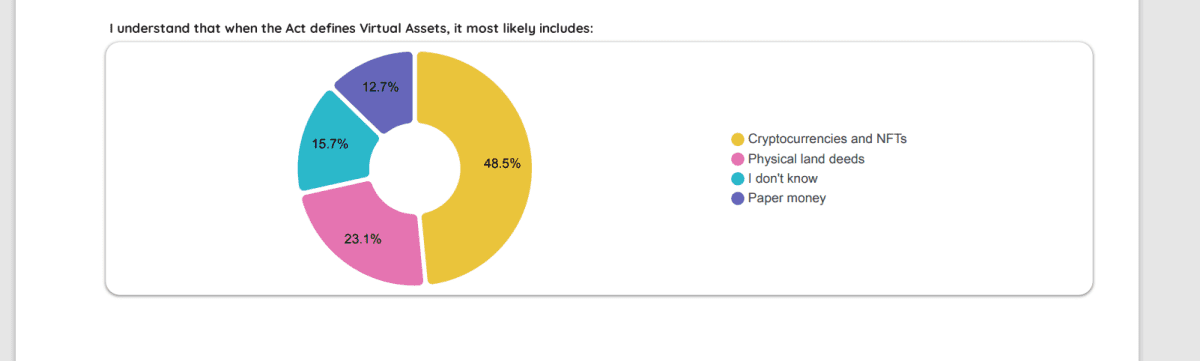
Stahili Pulse further highlights that the public appreciates the recognition of modern digital threats, with 48.5 per cent identifying cryptocurrencies and NFTs as part of the Act’s definition of virtual assets.
Overall, the survey presents a nuanced picture that, while Kenyans largely support stricter penalties for online harassment that can lead to severe harm or suicide, they remain cautious about balancing enforcement with protection of online freedoms.
Get Kenya’s Real Pulse — Every Week with Stahili
Make faster, smarter business decisions with Stahili Pulse Reports. Live access, real-time, trended insights across 75 sectors and products gathered daily from over 40,000 consumers across Kenya.
Stay informed on brand health, consumer preference and sector trends, all from verified Kenyan voices on the Stahili App.
Get the latest Stahili Pulse Report and unlock the data behind Kenya’s rapidly changing consumer market.
Want to know more and get your Market Pulse access? Email [email protected] and we’ll get your finger on the pulse.
Author
Steve Ireri
Steve is a senior writer with over four years of experience in digital journalism. His focus is on the showbiz and human interest stories. Emails: [email protected] , [email protected]
View all posts by Steve Ireri