Advertisement
Clinical officers warn that Kenya’s healthcare is becoming a business
05th August, 2025 11:08 AM

The Kenya Union of Clinical Officers (KUCO) national chairperson, Peterson Wachira, has raised serious concerns about the direction Kenya’s healthcare system is taking.
Speaking in a TV interview on Tuesday, August 5, 2025, Wachira pointed out that medical errors, while unfortunate, are part of the profession.
“There’s a difference between negligence and medical errors. We say in health, medical errors are inevitable,” he said.
According to him, the conversation around accountability must start with a clear understanding of this distinction. Wachira also warned that healthcare in Kenya is slowly drifting into the hands of private business.
As more services move from public to private facilities, he noted that laws are quietly being amended to align with private sector interests. This shift, he believes, is reducing access to affordable healthcare for ordinary Kenyans, as profit takes precedence over service.
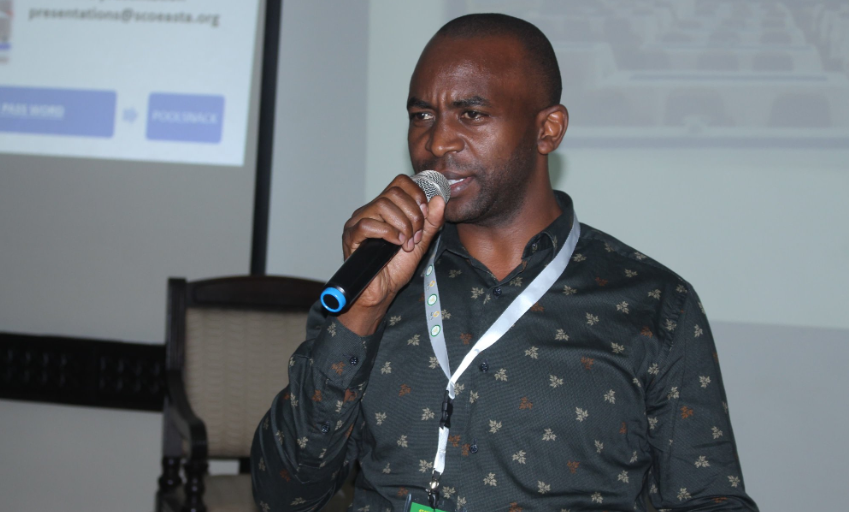
He highlighted the continued safety concerns in public hospitals, citing the recent Kenyatta National Hospital incident as one of many that should have sparked reform. “We have neglected the safety of our health facilities, both for the workers and the patients,” Wachira said, adding that similar incidents have occurred in the past with little to no action taken.
Quality healthcare is not just the responsibility of the worker
Wachira urged Kenyans and policymakers to understand that quality in healthcare is not a finished product—it is a process that requires systems, tools, and support. “You cannot place the responsibility for that quality solely on me without also holding accountable the facility or the government that employs me,” he stated. According to him, blaming healthcare workers without examining the environment they work in is both unfair and counterproductive.
He emphasised that for quality to be achieved, there must be shared responsibility between the health worker, the institution, and the government. Enforcing accountability only at the individual level, without addressing systemic gaps, will not lead to meaningful improvement.
“If we can enforce accountability on health providers—be it the individual or the facility—then we can deliver quality healthcare to Kenyans. But the question remains: Has the health worker been the problem?” Wachira concluded.