Advertisement
5 things to do immediately you encounter an accident scene
21st January, 2026 12:56 AM
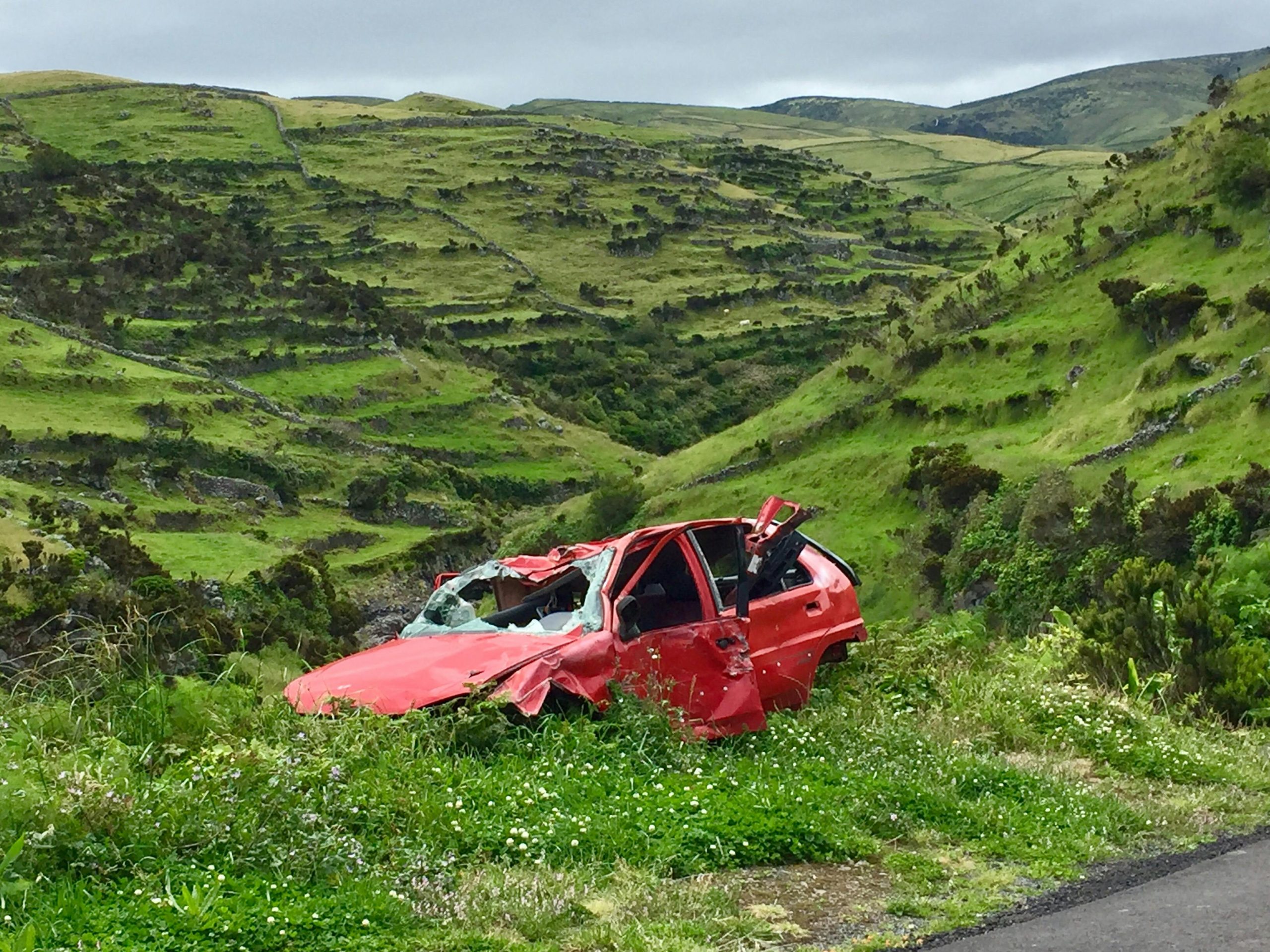
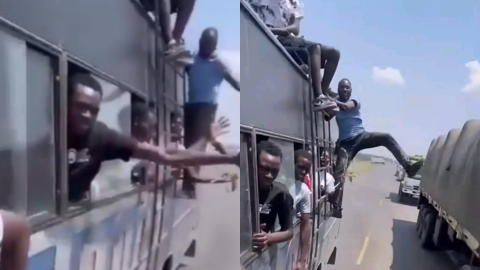
Accidents happen fast. One minute you are walking, driving, or in a matatu, then suddenly you meet an accident scene ahead.
Mostly, such moments can be confusing because everyone rushes in, others start recording, while some people panic and shout.
Still, what you do in the first few minutes matters a lot. It can save lives, prevent more injuries, and help emergency teams work faster.
Here are five important things to do immediately you encounter an accident scene.
1. Stay calm and check your own safety first
Before you help anyone, make sure you are safe. Do not rush into danger. Look around quickly. Is there oncoming traffic.
Is there leaking fuel. Are there broken wires. Is the vehicle unstable. In some cases, a second accident happens because people run to help without checking the risk.
If you are driving, slow down, park safely, and switch on hazard lights. If you are on foot, stand at a safe distance and observe first. You can only help well if you are not in danger yourself.
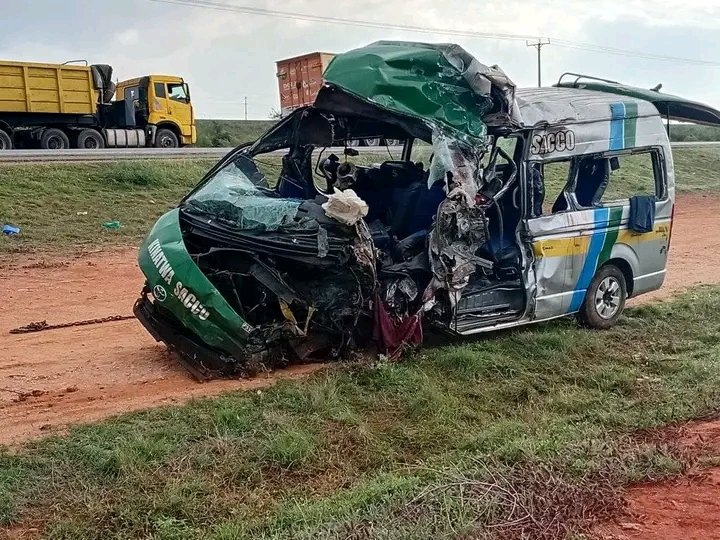
2. Call for help immediately
In Kenya, many people assume someone else has already called. Do not assume.
Call emergency services or alert people who can help fast. If you are near a police station, a hospital, or a rescue team, inform them.
If you can, share clear details like the location, the number of vehicles involved, and whether people are injured. Even a simple call can make a big difference because it starts the rescue process early.
If you cannot call, ask someone specific. Point at them and say, “You in the red jacket, call for help now.” Giving direct instructions prevents confusion.
3. Control the crowd
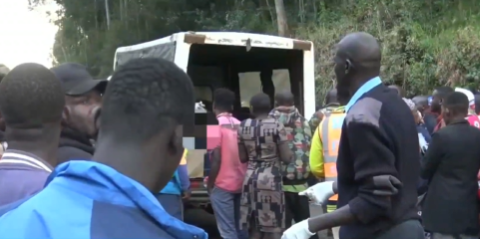
This is the hardest part in Kenya because many people rush to watch, take photos, or record videos. Crowds can block rescue efforts, increase panic, and even cause more accidents on the road.
If you are in a position to speak, ask people to create space. Tell them to move back and allow air and movement around the victims. Recording injured people is not only disrespectful, it also delays real help.
If someone is trying to steal or take advantage of the scene, alert others and protect the victims’ belongings where possible.
4. Give simple first aid
If someone is bleeding heavily, help stop the bleeding by applying pressure using a clean cloth, scarf, or piece of clothing. If the person is unconscious but breathing, keep them in a safe position and ensure their airway is open.
However, do not move victims carelessly, especially if you suspect neck, spine, or head injuries. In many road accidents, moving someone wrongly can worsen injuries.
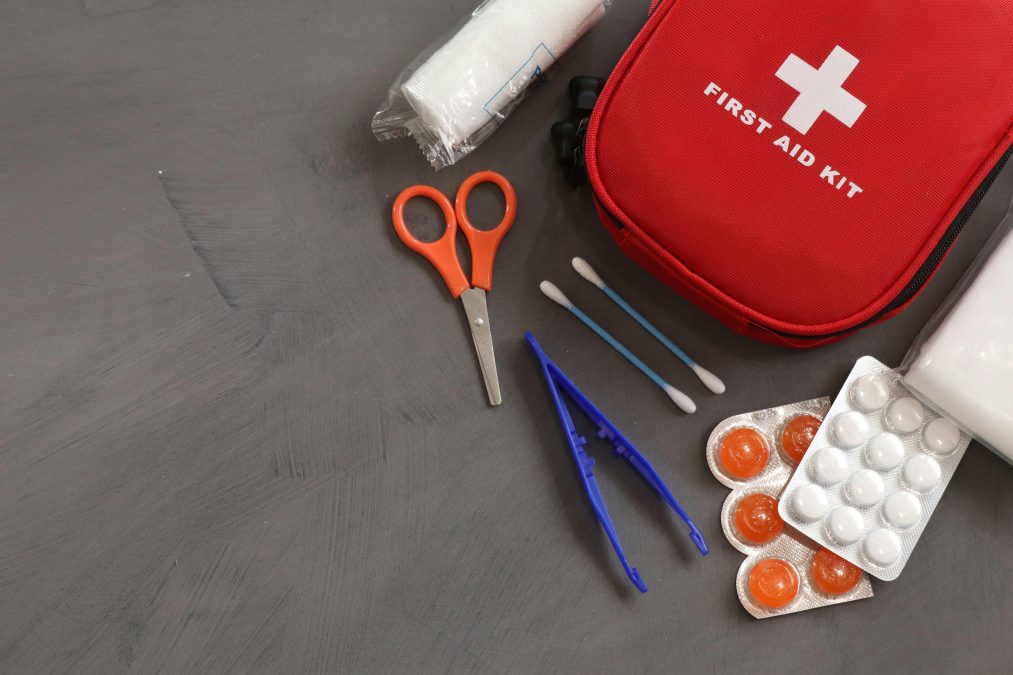
Only move someone if there is immediate danger, such as fire, smoke, or risk of another vehicle hitting them. Otherwise, keep them still and wait for trained responders.
5. Direct traffic
An accident scene can easily cause a second crash, especially on busy roads. If you are safe and able, help warn other drivers.
Use hazard lights, reflective triangles, or wave vehicles to slow down.
If you have a reflective jacket, wear it. If it is night, use your phone torch carefully. The goal is to reduce speed and create space around the scene until police or rescue teams arrive.
If you are with other people, coordinate quickly so that one person calls for help, another controls the crowd, and another directs traffic.