Advertisement
Juju, superstition and football: Why the debate refuses to die
24th June, 2026 04:50 PM
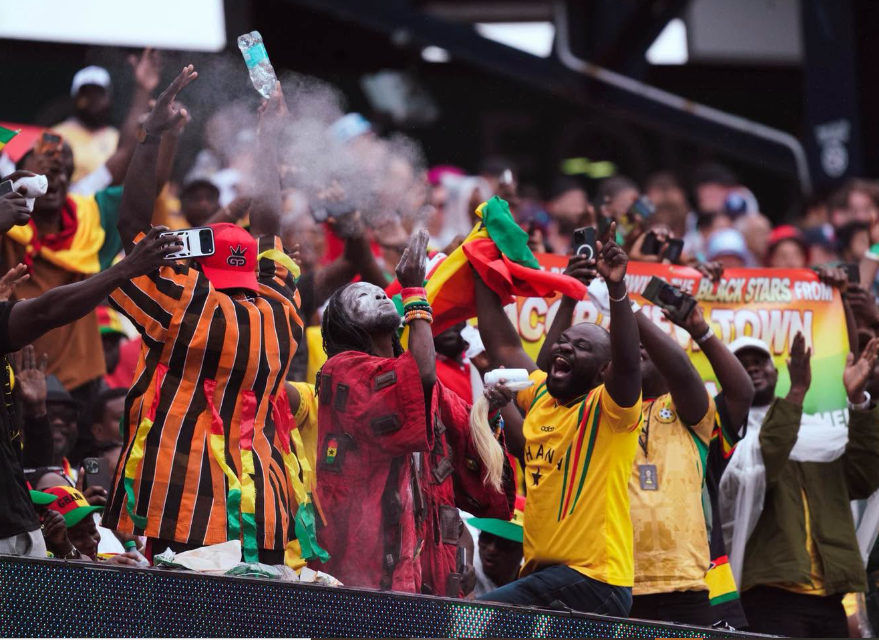
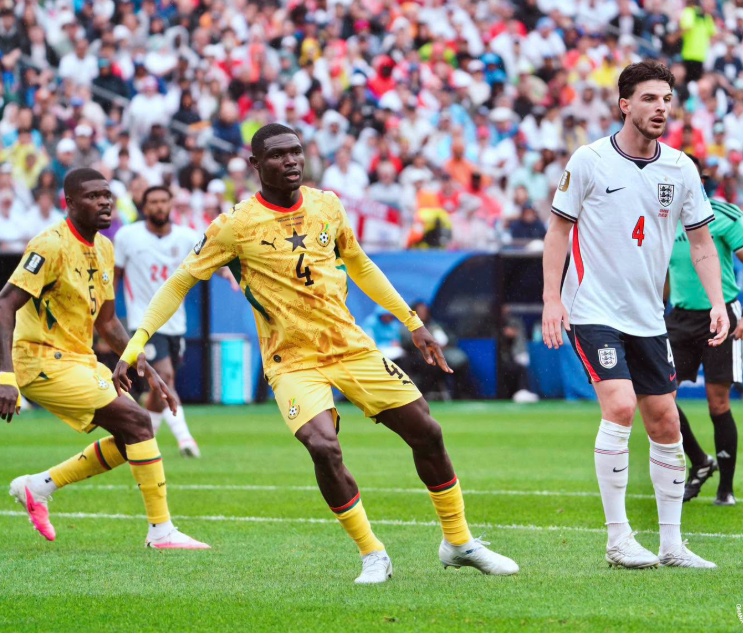
When England were held to a frustrating goalless draw by Ghana at the FIFA World Cup 2026 on Tuesday, June 23, 2026, the result quickly sparked more than just tactical discussions. Across social media platforms, football forums and fan conversations, unverified claims emerged that Ghanaian spiritual forces had somehow contributed to England’s inability to find the back of the net.
Whether such claims carry any truth is impossible to prove. Yet the reaction highlighted a reality that has existed for decades: despite football’s evolution into a billion-dollar global industry powered by science, analytics and technology, belief in supernatural influence remains deeply embedded in the sport.
For many supporters, football is no longer merely a contest of skill and tactics. It is also a battleground of luck, fate, destiny and, in some parts of the world, spiritual intervention.
A belief older than modern football
Long before sports scientists began measuring player fatigue and performance through data, many teams sought assistance from spiritual leaders, traditional healers and religious figures.
Across Africa, stories of clubs consulting spiritual practitioners before important matches have circulated for generations. Tales of specially prepared dressing rooms, blessed jerseys, protected goalposts and ritualistic pre-match ceremonies have become part of football folklore.
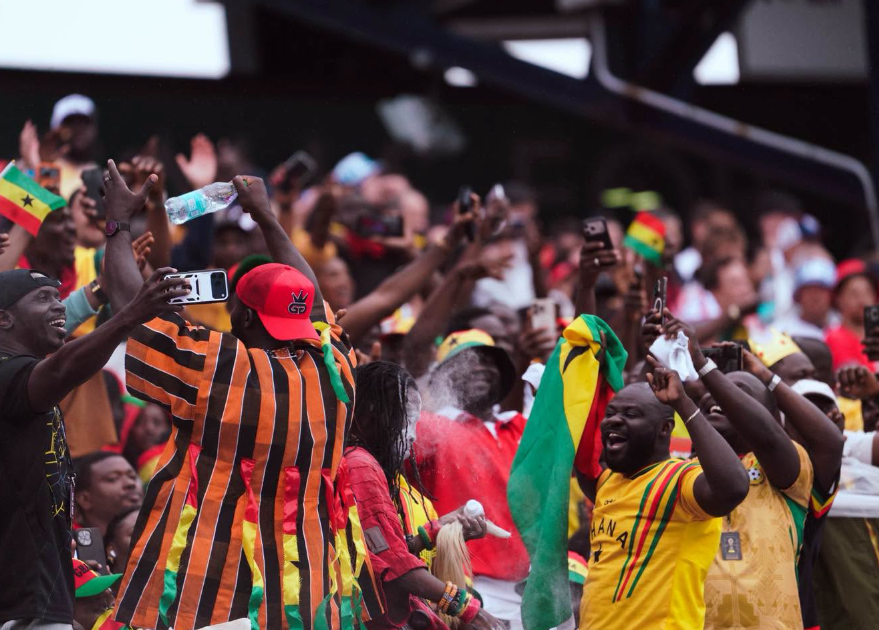
Some teams have reportedly carried out cleansing ceremonies before tournaments. Others have been accused of placing charms around stadiums or attempting to spiritually weaken opponents. Such stories often surface during major continental competitions and World Cup qualifiers.
The belief is not limited to club officials. Players themselves have frequently been associated with unusual routines that they insist bring good fortune.
Superstition in football language
While African football is often linked with discussions about juju, superstition exists across every football culture.
Many elite players maintain strict pre-match routines, wear specific items of clothing, enter the pitch in a particular manner or repeat the same sequence of actions before kick-off. Some refuse to alter these habits even when logic suggests they have no impact on performance.
Psychologists argue that these routines help athletes manage pressure and anxiety. By repeating familiar actions, players gain a sense of control in an environment where outcomes are often unpredictable.
The difference is that while some routines are viewed as harmless superstition, others become associated with spiritual powers, creating the perception that unseen forces are influencing results.
Why fans continue to believe
Football frequently produces outcomes that seem impossible to explain.
A dominant team may register dozens of attempts on goal and fail to score. A goalkeeper can produce a career-best performance against overwhelming odds. A title favourite may collapse unexpectedly against a weaker opponent.
When logic struggles to provide satisfying answers, supporters often search elsewhere.
The England-Ghana draw is a recent example. England entered the match as favourites, boasting one of the tournament’s strongest squads. Yet Ghana frustrated them throughout the contest and emerged with a valuable point.
For some fans, tactical discipline, defensive organisation and hard work explained the result. For others, the inability of England’s stars to convert opportunities fuelled speculation about supernatural interference.
Such narratives persist because football is an emotional game. Supporters are often willing to believe in extraordinary explanations when ordinary ones fail to ease disappointment.
Science versus belief
Sports science has transformed football over the past three decades. Teams now rely on performance analysts, nutritionists, psychologists and data specialists to gain competitive advantages.
Yet even within this highly scientific environment, superstition survives.
No study has conclusively demonstrated that black magic can alter the outcome of a football match. Success continues to be more convincingly linked to factors such as tactical execution, fitness levels, technical quality and mental resilience.
Nevertheless, belief itself can influence performance. If players genuinely think they possess spiritual protection or advantage, that confidence may affect how they approach a game. Likewise, fear of alleged spiritual attacks can create psychological pressure on opponents.
In this sense, the power of juju may lie less in the supernatural and more in the human mind.
An everlasting argument
The speculation surrounding Ghana’s World Cup clash with England illustrates why the discussion remains alive.
Football is built on passion, uncertainty and drama. As long as unlikely results occur, stories of hidden forces and mystical interventions will continue to capture imaginations.
Whether viewed as cultural tradition, psychological warfare, harmless superstition or genuine spiritual practice, black magic remains one of football’s most intriguing and controversial subplots.
And while coaches may spend countless hours analysing tactics and players may rely on modern science to maximise performance, many fans around the world will still wonder whether something beyond the visible game is helping determine what happens on the pitch.