Advertisement
Focus on Haaland and Mbappe as Norway prepare to face France in World Cup Group 1
07th June, 2026 10:00 AM
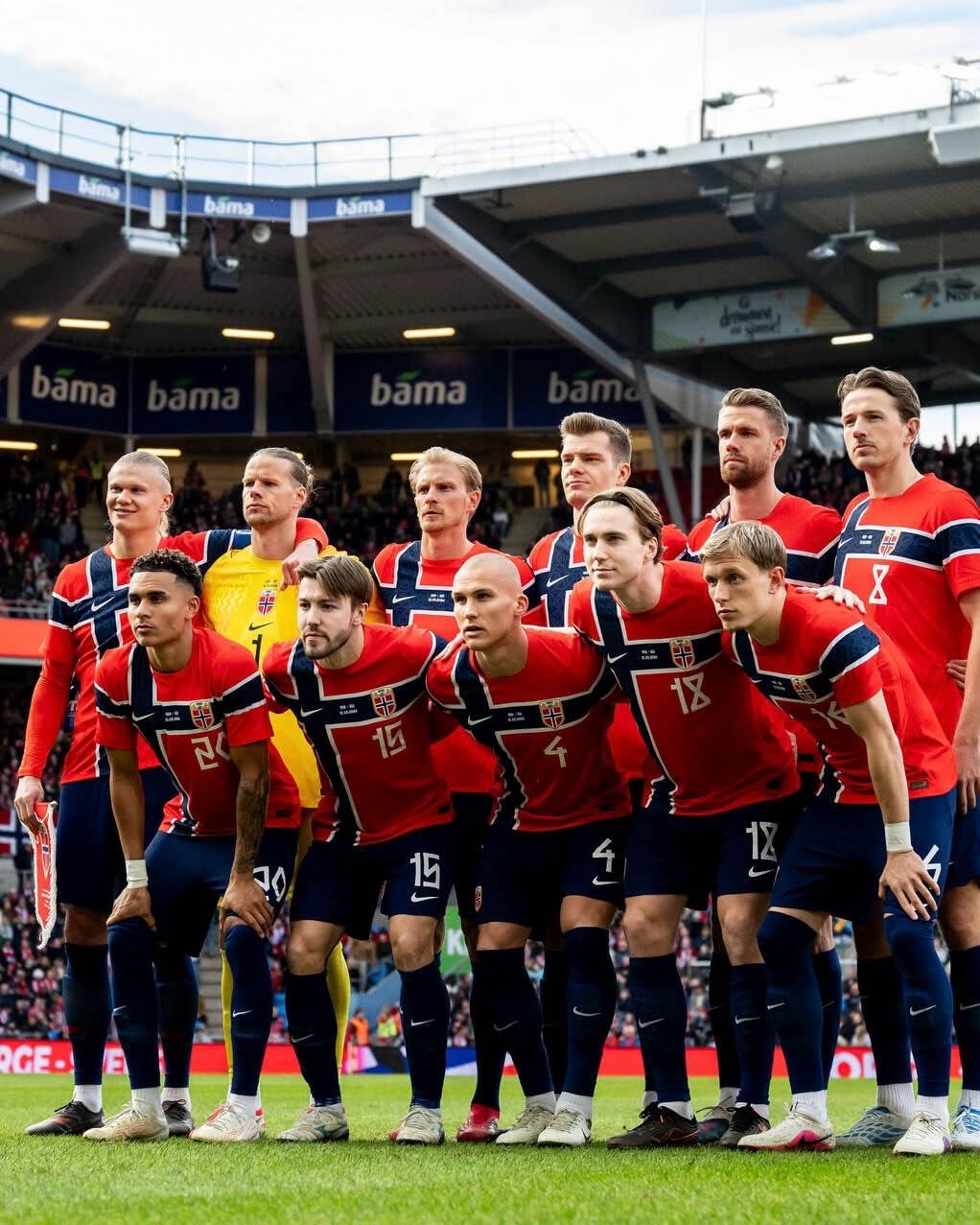
France, Norway, Senegal and Iraq make up Group I at the 2026 FIFA World Cup, a section that may not be regarded as the tournament’s toughest pool but still promises one of its most anticipated individual contests.
The spotlight will be on star forwards Kylian Mbappé and Erling Haaland, who are poised to face each other for the first time on football’s biggest stage.
France – Mbappe, Dembele
France heads into the tournament among the leading contenders for the title, having lifted the trophy in 2018 and reached the final four years later. Despite boasting a wealth of attacking talent, questions remain over the team’s overall structure.
The midfield is not viewed as strong as in previous editions, prompting coach Didier Deschamps to bring veteran N’Golo Kanté back into the fold at the age of 35.
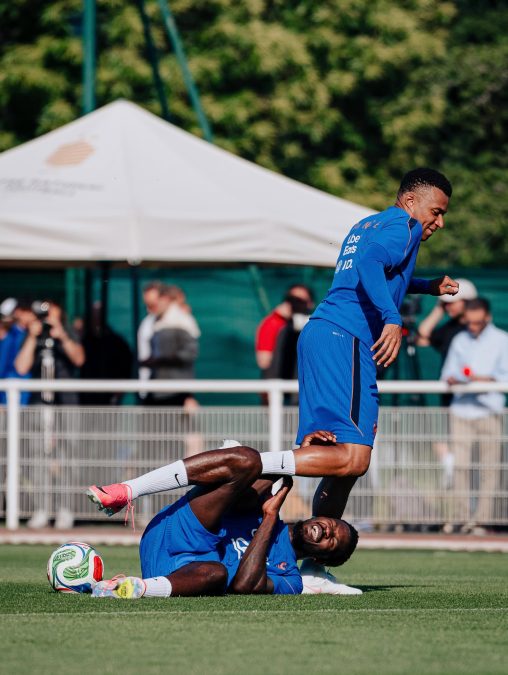
A recent 2-1 friendly defeat to Côte d’Ivoire highlighted both France’s strengths and vulnerabilities. The squad clearly possesses the quality to challenge for the trophy, but success may depend on tactical discipline and mental resilience.
As captain and chief attacking threat, Mbappé remains the face of the French side. Since leaving PSG for Real Madrid in 2024, he has continued to score regularly, though critics have questioned aspects of his defensive contribution and versatility in attack. Consecutive seasons without major club silverware and reports of dressing-room tensions have further increased scrutiny.
With teammate Ousmane Dembélé enjoying a meteoric rise, Mbappé faces a crucial tournament that could shape perceptions of his legacy.
Dembélé has emerged as one of the most influential figures in French football. Leading PSG’s attack, he helped the club secure back-to-back UEFA Champions League crowns and also claimed the Ballon d’Or. His speed, flair and ability to create opportunities make him a constant threat, while rising youngsters such as Désiré Doué, Michael Olise and Bradley Barcola add further competition in the forward line.
Norway – Haaland, Odegaard
Norway returns to the World Cup after an absence stretching back to 1998. The Scandinavians qualified emphatically, winning all eight of their qualifying matches and displaying a direct, energetic style of play.
Supported by several players competing at Europe’s highest level, Norway possesses enough talent to challenge for a knockout-stage berth and could trouble both France and Senegal.
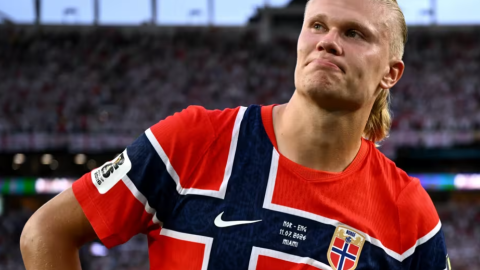
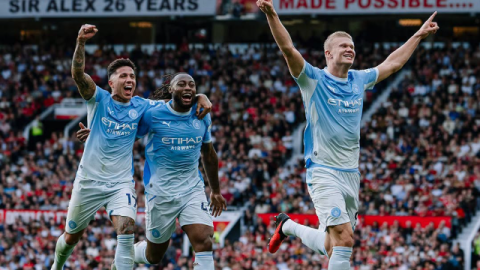
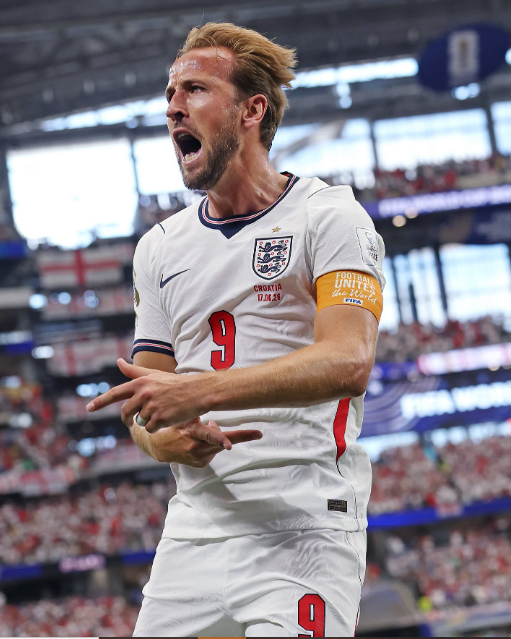
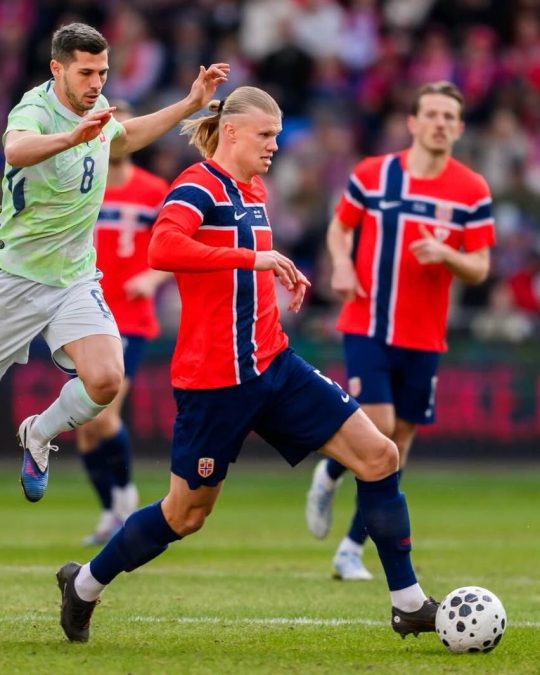
Haaland was unstoppable during qualifying, finding the net 16 times in just eight matches. Having already played a central role in ending Norway’s lengthy World Cup drought, he now aims to inspire the nation beyond the group stage while chasing national records.
Creative midfielder Martin Ødegaard is the heartbeat of Norway’s team. His passing range, vision and leadership help dictate matches, while his partnership with Haaland gives Norway a potent attacking dimension. If Ødegaard is allowed time and space against stronger opponents, Norway could become one of the tournament’s surprise packages.
Senegal and Iraq in the mix
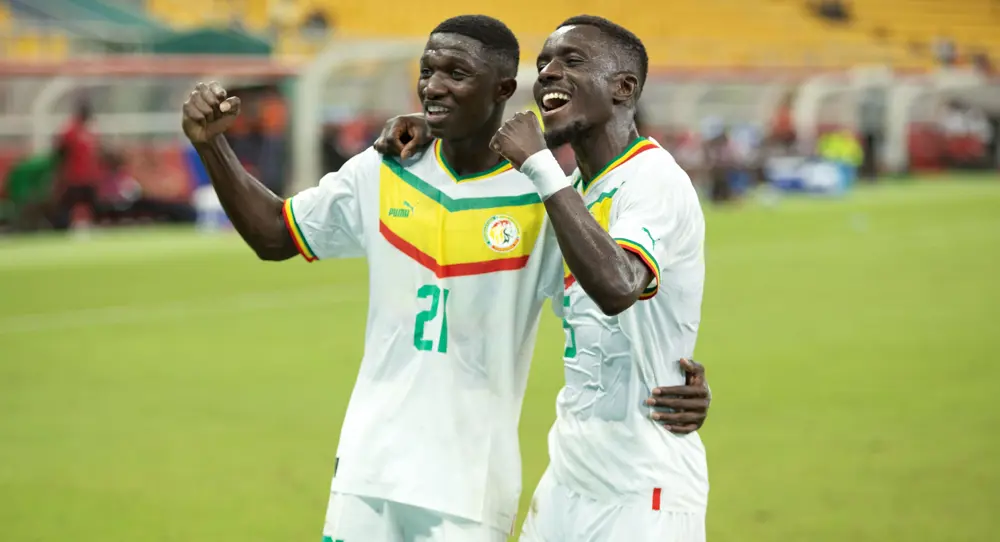
Senegal continues to establish itself as a consistent force on the global stage, reaching a third consecutive World Cup. Strong performances at the Africa Cup of Nations earlier in the year reinforced the team’s reputation as one of Africa’s leading sides.
Nicknamed the Teranga Lions, Senegal relies on defensive solidity, physicality and swift counterattacks. With many players featuring in Europe’s top leagues, the squad has the experience and quality to challenge any opponent.
At 34, Sadio Mané remains the nation’s all-time leading scorer and a vital influence on and off the pitch. His experience and ability to deliver in major matches continue to make him Senegal’s primary attacking reference point.
Defender Kalidou Koulibaly anchors Senegal’s back line with his strength, positioning and composure in possession. Working alongside goalkeeper Édouard Mendy, he provides stability and leadership. Head coach Pape Thiaw, who was part of Senegal’s famous 2002 World Cup squad, will rely heavily on Koulibaly if the team is to produce another memorable campaign.
Iraq returns to the World Cup for the first time since 1986. During its only previous appearance, the nation lost all three matches and scored just once. This time, Iraq navigated a demanding qualification journey that included 21 matches and intercontinental playoff success.
Under the guidance of former Australia coach Graham Arnold, Iraq is viewed as the outsider in Group I. However, the team’s fighting spirit has earned respect, and a recent 1-1 draw against Spain demonstrated its ability to compete with elite opposition.
Group I may not have the reputation of a classic “group of death,” but with France’s star-studded squad, Norway’s long-awaited return, Senegal’s proven pedigree and Iraq’s determination to make history, it promises plenty of intrigue. The expected showdown between Mbappé and Haaland only adds to the excitement.