Advertisement
From Williams to Doue: Brothers representing different countries at 2026 FIFA World Cup
06th June, 2026 08:17 AM

The 2026 FIFA World Cup will not only showcase battles between nations but will also feature unique family stories, with several siblings set to represent different countries on football’s biggest stage in the USA, Canada and Mexico. Despite sharing the same upbringing, childhood memories, and football roots, some brothers have chosen separate international paths, creating fascinating narratives ahead of the tournament.
Williams brothers
Among the most recognisable examples are brothers Iñaki Williams and Nico Williams. Both products of the renowned Athletic Club academy, they were raised in Spain after their parents emigrated from Ghana under difficult circumstances.
The elder sibling, Iñaki, initially represented Spain at international level before deciding to switch allegiance to Ghana in 2022, choosing to honor his family’s roots. Since then, he has become an important figure for the Black Stars.
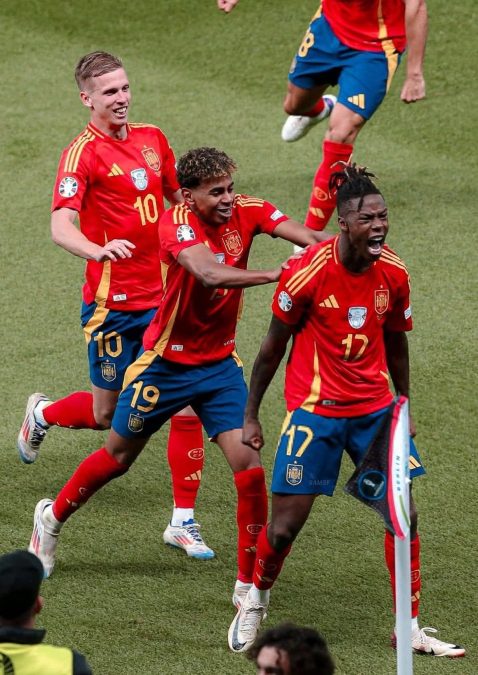
His younger brother Nico, however, remained committed to Spain and has developed into one of the country’s brightest talents. The winger played a crucial role in Spain’s triumph at UEFA Euro 2024 and continues to be viewed as a key player for La Roja heading into the World Cup.
Despite representing different nations, the brothers have consistently expressed admiration and support for one another, emphasising that their decisions were based on personal identity rather than rivalry.
Souttar brothers choose opposite international routes
Another family divided by national-team colours is that of John Souttar and Harry Souttar.
Born and raised in Scotland, both brothers were eligible to play for either Scotland or Australia through their mother, who was born in Western Australia.
John, the older sibling, committed to Scotland and has spent years establishing himself as a dependable defender in Scottish football, featuring for clubs such as Dundee United, Heart of Midlothian and Rangers.
Harry initially progressed through Scotland’s youth ranks before opting to represent Australia. The decision proved successful, with the towering centre-back becoming one of the Socceroos’ most influential players and a regular presence at major international competitions.
Doue family split between France and Ivory Coast
One of the tournament’s most intriguing stories involves brothers Désiré Doué and Guéla Doué.
The younger and more widely known Désiré has emerged as one of France’s most exciting young talents after breaking through at Paris Saint-Germain. Having developed through the academy of Stade Rennais, his creativity and attacking flair have earned him growing recognition on the international stage.
His older brother Guéla chose a different route, representing Ivory Coast, the homeland of their parents. The defender, who scored for Ivory Coast against France while Désiré watched from the bench on Thursday, June 4, 2026, has become an established member of the Elephants squad while also impressing at club level with RC Strasbourg Alsace.
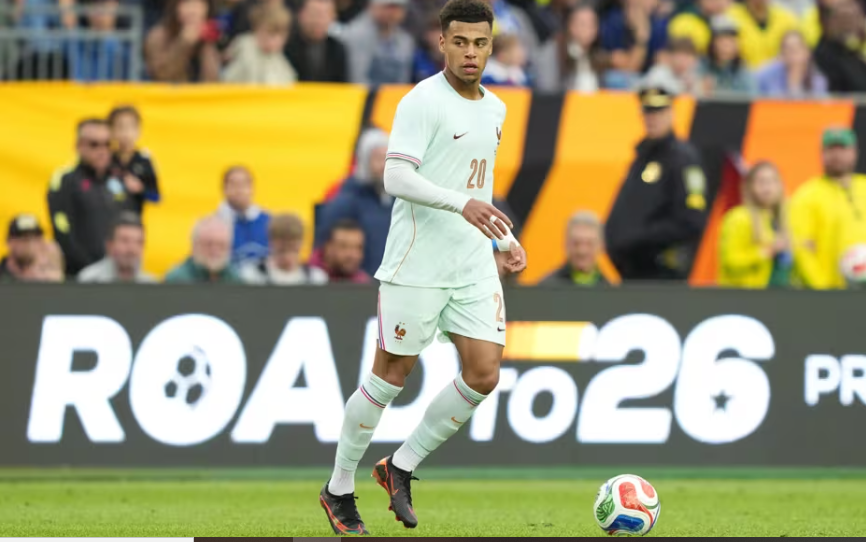
With both players expected to feature prominently at the World Cup, the Doué brothers could become one of the tournament’s standout family stories.
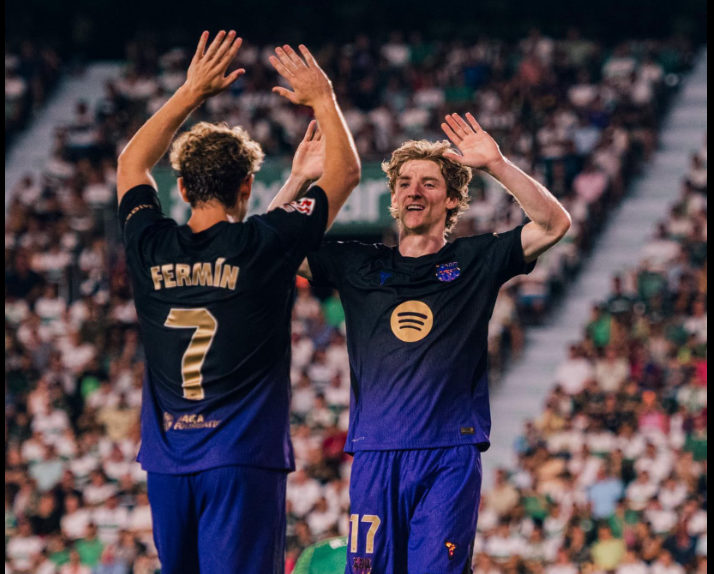
However, not every sibling pairing at the tournament will be on opposite sides. Some brothers will proudly wear the same national colors, including Theo Hernández and Lucas Hernández for France, as well as Jurriën Timber and Quinten Timber for the Netherlands.
While the World Cup is traditionally about national pride and sporting glory, the stories of the Williams, Souttar and Doué families offer an additional layer of intrigue, highlighting how modern football increasingly reflects multicultural identities and global family connections. For these brothers, the tournament represents both a shared dream and a unique circumstance, competing on the same stage while representing different flags.