Advertisement
FKF Cup: How Bandari FC rose to become a coastal football powerhouse
07th March, 2026 10:49 AM
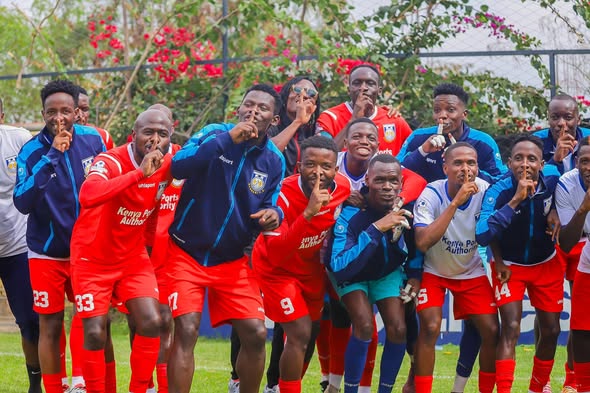
Eleven years after winning their maiden FKF Cup, Bandari FC will be trying to push for another silverware when they visit Kwale outfit Bumbani Stars for the Cup’s Round of 32 tie at Kwale Stadium on Saturday, March 7, 2026, starting at 3:00 pm local time.
Ahead of the encounter, Kenya’s top-tier football scene has been largely dominated by established community powerhouses such as Gor Mahia and AFC Leopards for decades.
However, in the coastal city of Mombasa, another club has steadily built a name for itself through consistency in the Football Kenya Federation Premier League. The Dockers’ rise reflects a story of perseverance, strong community roots, and the emergence of football excellence along Kenya’s coastline.
Origins in the port city
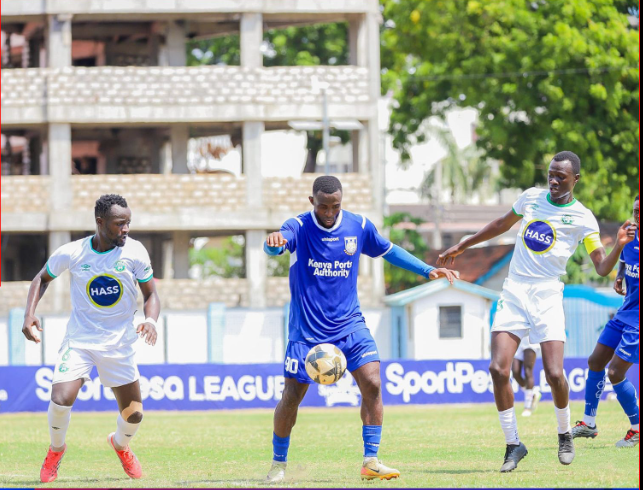
The beginnings of Bandari FC date back to the early 1980s, when employees of the Kenya Ports Authority decided to establish a competitive football team. The club’s name, “Bandari,” the Swahili word for port, reflects its close ties to the busy maritime culture of Mombasa.
In its early years, the club competed in the lower divisions of Kenyan football and was often overshadowed by larger teams based in Nairobi. Despite this, steady administrative support from the Kenya Ports Authority and a strong internal structure allowed the team to gradually grow in strength and professionalism.
By the late 1990s, Bandari had become a strong competitor in the National Super League. Their efforts paid off in 1999 when the club secured promotion to the top flight, marking a major milestone in its history.
Learning the hard way
Life in the top division proved challenging during the club’s early seasons. The team frequently fought to avoid relegation while adjusting to the intensity of competing against more experienced sides.
Over time, the Dockers began focusing on long-term stability. They invested in better coaching structures, talent identification, and development programs, particularly targeting players from the coastal region. This strategic approach gradually transformed the club into a well-organised outfit capable of competing with the league’s stronger sides.
A shift toward professional management further strengthened the club. Improved welfare and motivation for players translated into stronger performances on the pitch, with the team regularly finishing in respectable league positions and occasionally pushing for higher honours.
Historic success
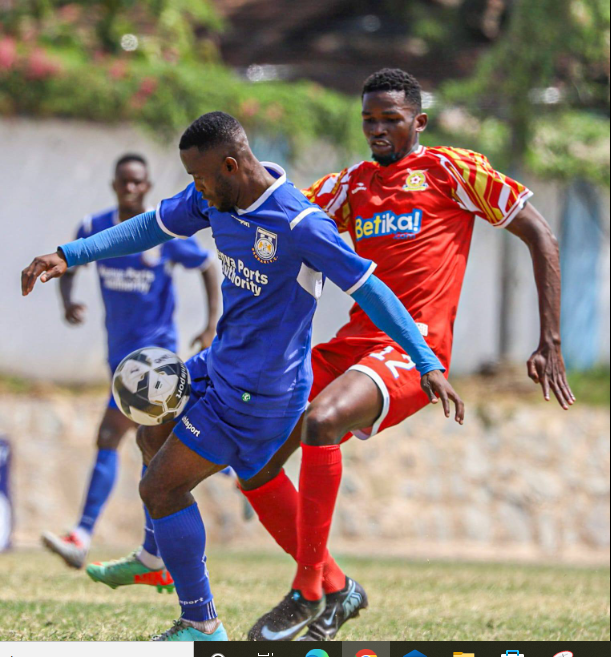
One of the most memorable chapters in the club’s history came in 2015 when the team, under head coach Twahir Muhiddin, won the prestigious FKF Cup. It was the first major trophy for the Dockers and sparked massive celebrations among fans in Mombasa.
Soon after, the club also lifted the Kenya Super Cup after defeating league giants Gor Mahia. That triumph carried deeper significance beyond just adding silverware; it showed that a coastal club could challenge and defeat the country’s traditional football heavyweights.
On matchdays at Mbaraki Sports Club, the stands come alive with blue and white colours, rhythmic drums, and passionate chants from supporters. For many residents of Mombasa, supporting Bandari goes beyond sport, it represents community identity and regional pride.
Like many ambitious teams outside Nairobi, Bandari faces certain challenges. These include a smaller national fan base compared to traditional giants, as well as occasional financial and logistical difficulties.