Ghost goal to mouth‑covering: 5 bizarre football moments that forced rule changes
Football rules have constantly evolved since the game was first codified. While most changes come from regular reviews, some are the direct result of controversial incidents on the pitch that exposed flaws in the Laws of the Game.
These moments, from missed goals to tactical exploits, have forced governing bodies to adapt and update the rules to make the game fairer and more consistent.
Ghost goal
You might also like
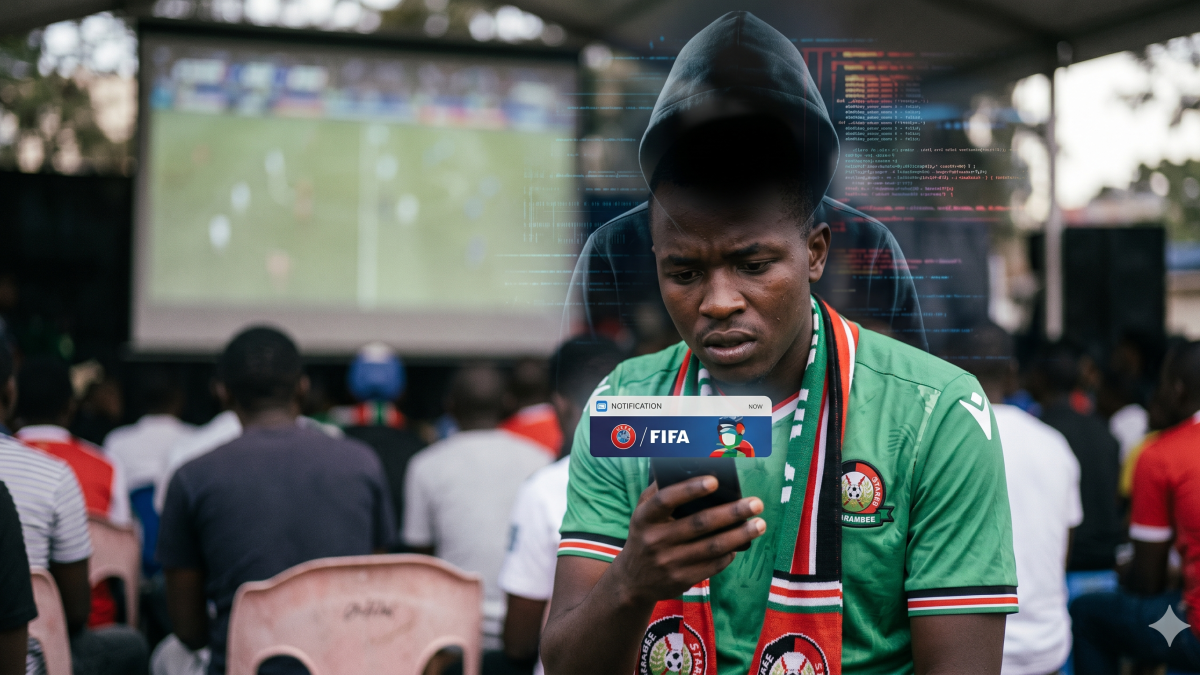


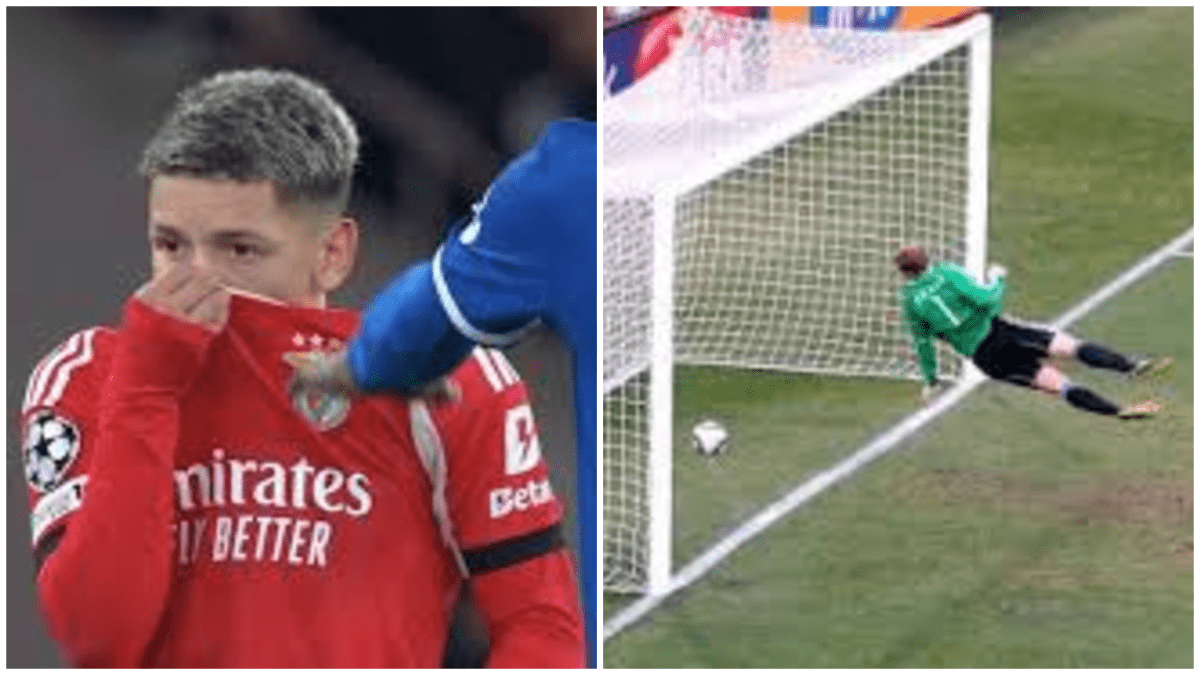
One of the most infamous incidents in World Cup history occurred at the 2010 FIFA World Cup, when England’s Frank Lampard struck a goal that clearly crossed the line against Germany, but the referee failed to award it.
This ghost goal caused global outrage and accelerated calls for the introduction of goal‑line technology.
The controversy helped push FIFA and IFAB to adopt technology that ensures referees can correctly determine whether the ball has crossed the line in future matches, altering how goals are verified worldwide.
The back‑pass rule
Before 1992, goalkeepers were allowed to pick up deliberate passes from their teammates; defenders frequently kicked the ball back to their goalkeeper, who could pick it up and hold it, slowing the game down and making matches dull.
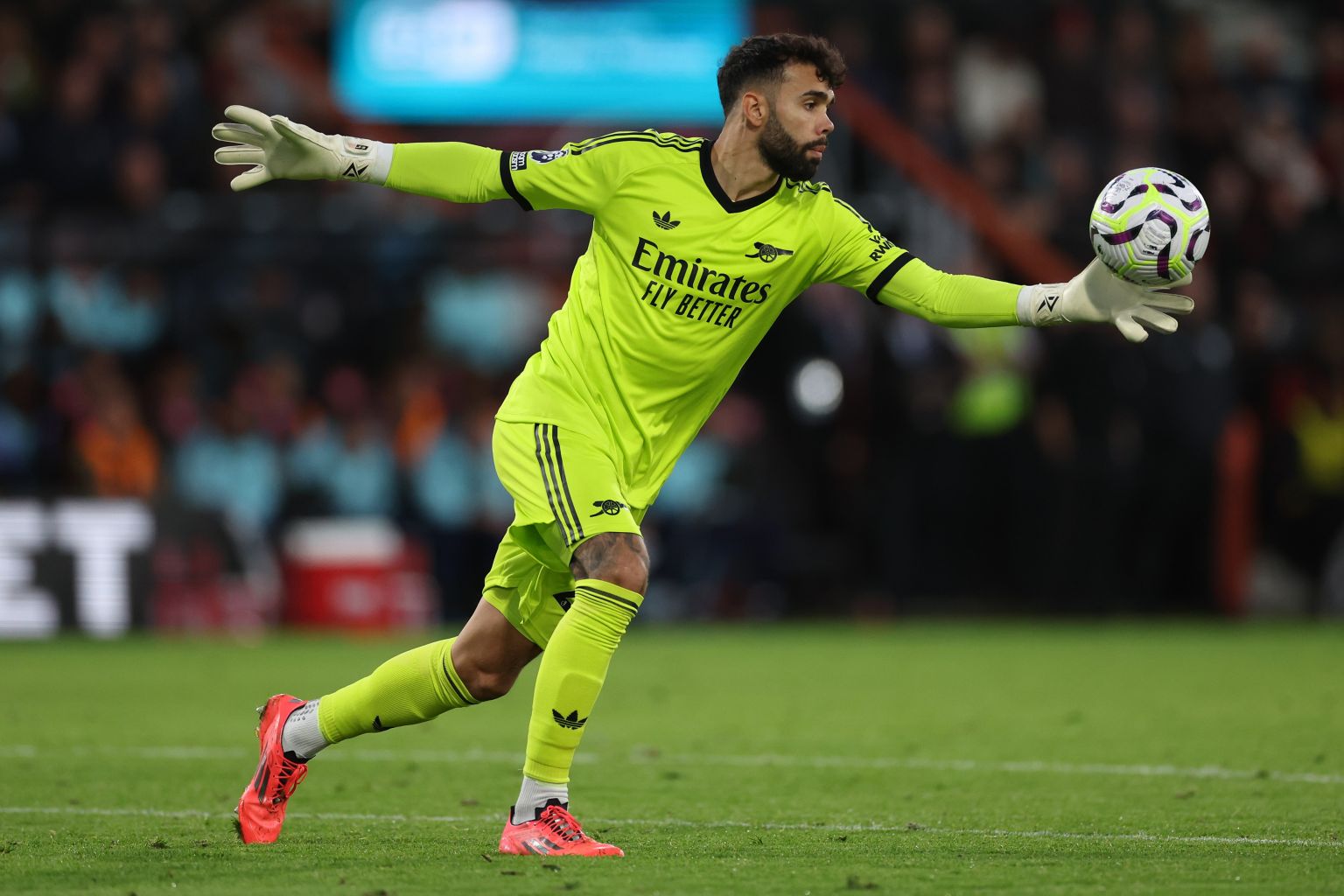
It wasn’t triggered by one single team, but one moment from that tournament is often highlighted: in a group match between the Republic of Ireland and Egypt, Irish goalkeeper Packie Bonner held onto the ball for nearly six minutes without releasing it, symbolising how defensive and slow the football had become.
This and similar episodes prompted football’s lawmakers to act and change the rule
The back‑pass rule now bans goalkeepers from handling the ball if it has been deliberately kicked to them by a teammate, meaning they must play it with their feet, helping to keep matches more fluid and attacking.
Mouth‑covering controversy
In a UEFA Champions League playoff match, Benfica winger Gianluca Prestianni was accused of making a discriminatory remark toward Real Madrid’s Vinícius Júnior while covering his mouth with his shirt, preventing cameras and officials from seeing what was said.
The incident led to Prestianni’s provisional suspension and sparked debate among football’s lawmakers.
FIFA President Gianni Infantino suggested that players who cover their mouths during confrontations, especially when offensive language is involved, should be shown a red card.
Early penalty re-takes
During the 1990s, goalkeepers like Mark Bosnich occasionally left the goal line before the penalty taker struck the ball, taking advantage of ambiguous rules and sometimes disrupting the fairness of the kick.
These early movements, combined with repeated controversial incidents across leagues, prompted the International Football Association Board (IFAB) to clarify the Laws of the Game.
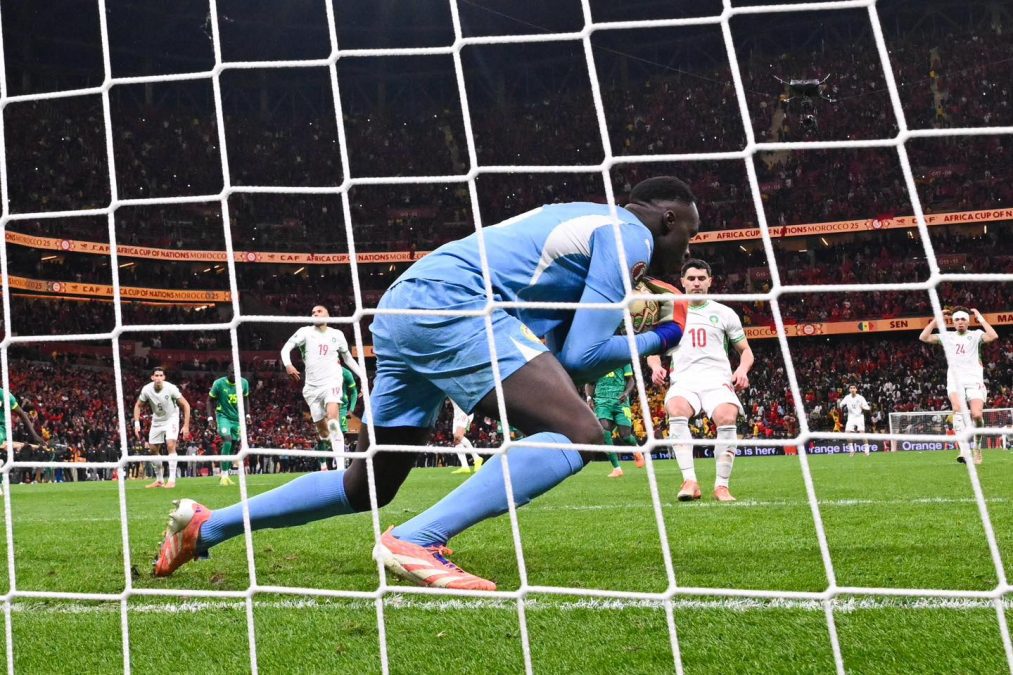
The updated rules now require goalkeepers to remain on the goal line until the ball is kicked, and violations can result in a retake or disciplinary action.
This change ensured penalty kicks became fairer for shooters and reduced disputes over early goalkeeper movement.
Shirt‑removing celebration
The offence of removing a shirt after scoring a goal was introduced in 2004, largely because exposing the torso is considered offensive in some cultures and also delays the restart of play.
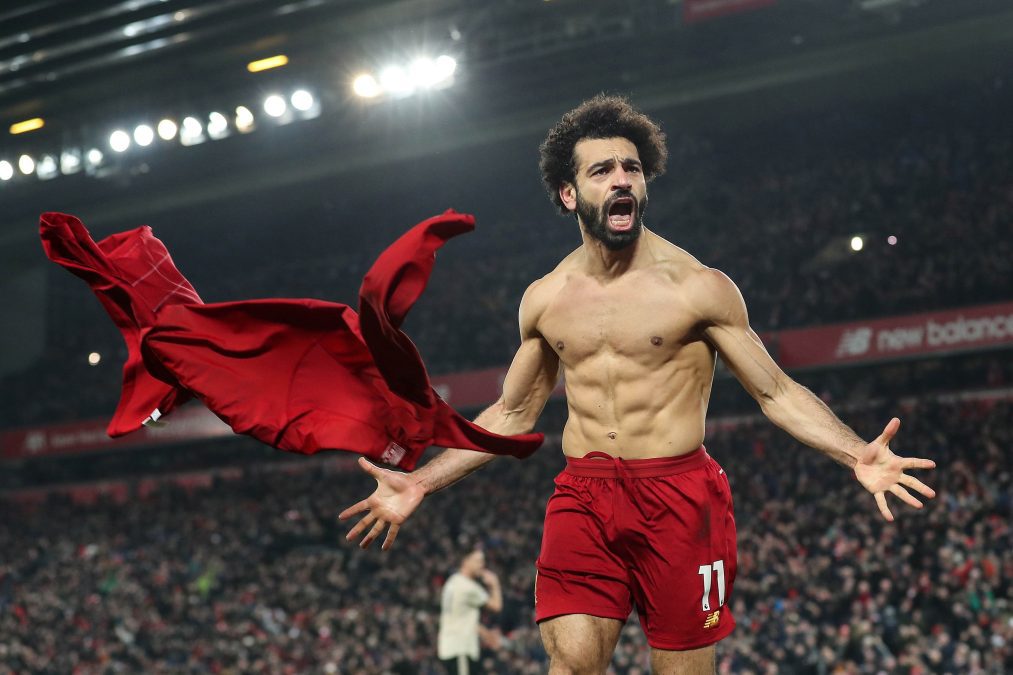
One of the most infamous examples was Diego Forlán during his time at Manchester United, who celebrated by taking off his shirt after scoring, drawing attention to the issue.
Following repeated incidents like this in domestic and international matches, the International Football Association Board (IFAB) formalised the rule under Law 12 (Fouls and Misconduct), stating that shirt removal during a celebration is unsporting behaviour and punishable with a yellow card.
Author
William Muthama
William Muthama is a digital journalist with a focus on entertainment, human interest, and current affairs. Share stories: [email protected]/ [email protected]
View all posts by William Muthama