Advertisement
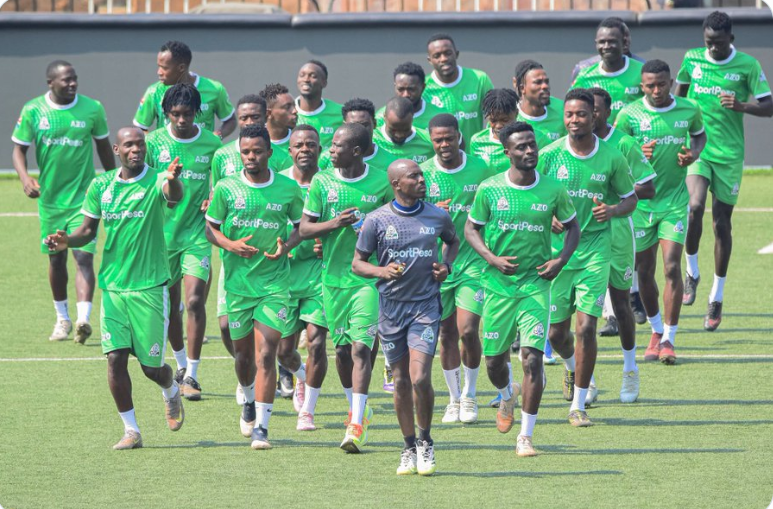
Boost for Harambee Stars? How CAF’s expanded AFCON proposal could benefit Kenya
30th March, 2026 01:28 PM

The Confederation of African Football (CAF) has hinted at a major change in the tournament’s organisation, confirming that the number of participating teams will be expanded from 24 to 28.
The announcement by CAF on Sunday, March 29, 2026, means that nations like Kenya, which have historically struggled to break through the final qualification barrier, could benefit from increased exposure and experience at the continental showpiece.
Aligning with FIFA
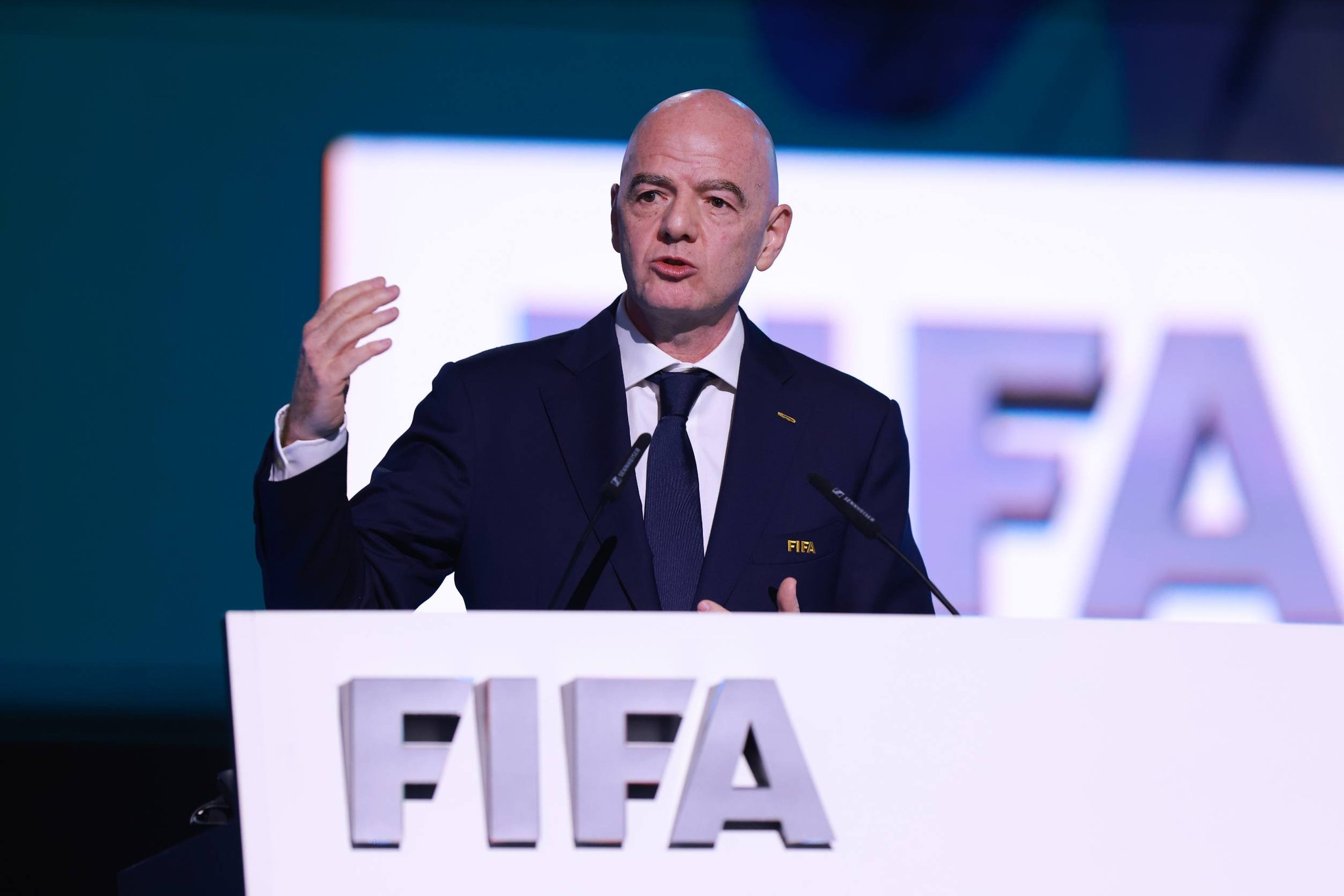
CAF President Patrice Motsepe explained that the expansion aligns with global standards—such as the 48-team FIFA World Cup—and offers new opportunities for teams that have previously found it difficult to qualify.
According to reports, the proposed format is expected to feature seven groups of four teams, increasing the number of matches and giving more nations across the continent a chance to compete on Africa’s biggest football stage. With the new format, essentially more than half of CAF’s 54 member states can qualify for the continent’s premier tournament.

This comes as the 2027 edition is set to be jointly hosted by the “Pamoja” trio: Kenya, Uganda, and Tanzania, marking the first time the competition will be staged across three nations.
While Kenya’s participation as a host is assured for 2027, subsequent qualifications will become more achievable as the stakes are lowered.
For years, a cycle of near-misses has seen Kenya fail to make the cut, often falling just below the qualification threshold—traditionally restricted to the top two teams from a four-team group. With 28 teams, the mathematical path to the finals becomes significantly easier in the following ways:
- Third-Place Lifelines: In a 28-team format, it is highly likely that the best third-placed teams will earn spots in the tournament or the knockout rounds.
- Seeding Shifts: An expanded tournament means lower-ranked teams move into higher “pots” during the draw, potentially helping them avoid “Groups of Death” featuring multiple African powerhouses.
As the country prepares for the joint Pamoja bid alongside Uganda and Tanzania, this declaration remains highly significant.

Despite competitive efforts, the Harambee Stars have fallen short in recent times, while Uganda and Tanzania have sailed through.
In the 2025 edition, Kenyans watched from home as their neighbouring rivals grabbed the spotlight for East Africa in Morocco.
During that campaign, Harambee Stars finished in third place in Group J, behind Cameroon and Zimbabwe, who both advanced to the championship.
The 2025 edition, which was moved from its traditional June-July slot to avoid clashing with FIFA’s expanded Club World Cup, represents a clear attempt to reduce scheduling conflicts.
For Kenya, this expansion also means that both European-based stars and local talent will have a consistent platform to showcase their skills to the wider world.