IOC endorses amendments to Olympic Charter
By Joel Masibo, June 25, 2026Delegates attending the 146th Session of the International Olympic Committee (IOC) have approved a series of amendments to the Olympic Charter aimed at enhancing governance structures, refining the process of selecting Olympic events, and reinforcing the organisation’s commitment to neutrality.
Key amendments
One of the key revisions concerns Rule 45 and its accompanying bye-law relating to the Olympic Games programme. The updated provision now states: “The programme consists of three components…”, namely the sports programme, discipline programme, and events programme.
The IOC has also endorsed a revised framework for determining the Olympic Games programme. Under the new system, evaluations will focus on individual disciplines rather than entire sports. The organisation believes this approach will provide a more accurate assessment of factors such as venue needs, operational planning, and the overall financial implications of hosting the Games.
In addition, the IOC strengthened the wording defining its responsibilities regarding neutrality. The amended Charter now states: “The IOC’s role is: to apply neutrality at all times, free from governmental, cultural, societal or economic pressure.”
Welcoming reforms
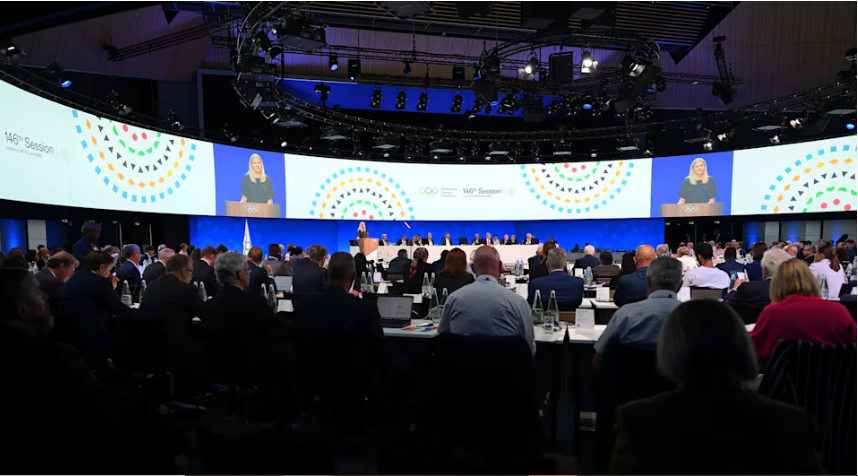
Addressing the Session on Wednesday, June 24, 2026, IOC President Kirsty Coventry welcomed the collaborative process that led to the reforms.
“I’m really grateful for the openness and the honesty that have led us to where we have seen our strategic frameworks ending up today,” she said.
Coventry added: “We reviewed the Olympic Charter and all the other documents to strengthen that position of neutrality that we need in a very divided world.”
Another notable change saw the removal of the list of International Federations from the Olympic Charter. According to the IOC, maintaining such a list could wrongly suggest that sports included in the Olympic programme have permanent status.
Explaining the move, the IOC stated, “This will provide greater flexibility in shaping the Olympic Games programme and better reflect an approach based on objective and transparent criteria.”
The approved reforms stem from studies and recommendations developed by several working groups established through the IOC’s Fit for the Future initiative.
The two-day gathering will conclude on Thursday with updates from organisers of the 2026 Milan-Cortina Olympic Winter Games, the 2026 Dakar Youth Olympic Games, and the 2030 French Alps Olympic Winter Games.