Advertisement
Extensive changes to Olympic Games and host selection procedures proposed
11th June, 2026 09:53 AM

The Executive Board of the International Olympic Committee has put forward far-reaching changes to how Olympic events are assessed and how future hosts are chosen in a move intended to strengthen openness, sustainability, financial efficiency, and athlete-focused governance.
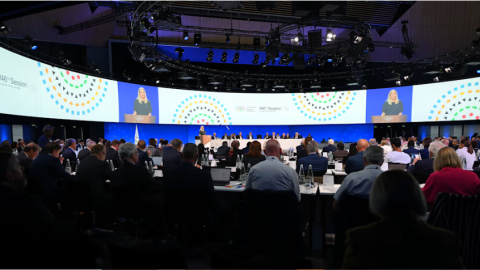
The recommendations have been introduced by IOC President Kirsty Coventry following an Executive Board meeting as part of the committee’s ongoing “Fit for the Future” agenda.
One of the key proposals involves changing the way Olympic competitions are reviewed. Instead of assessing entire sports, the IOC wants future evaluations to focus on individual disciplines. According to the organization, this method offers a clearer understanding of how specific disciplines influence venue needs, logistical demands, and overall expenditure for the Games.
New changes
Under the suggested system, a discipline would refer to one or several events within a sport that require their own dedicated competition area or substantial alterations to a shared venue, generally involving a distinct group of athletes.
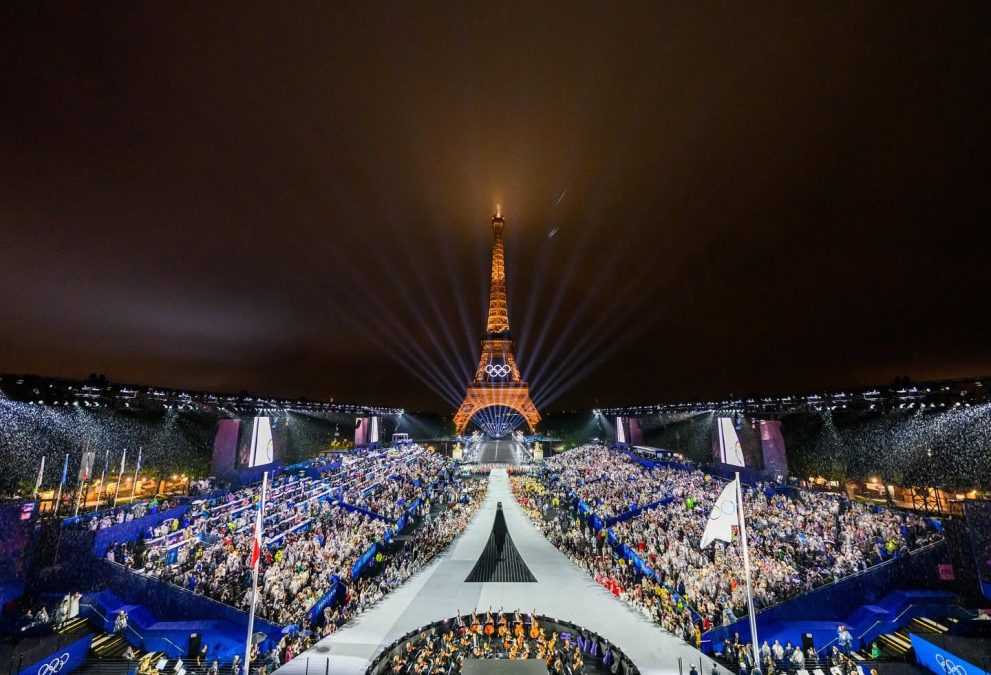
Should the proposal receive approval from the IOC Session, the revised approach would first be applied at the 2032 Summer Olympics in Brisbane.
The new review structure would create two evaluation tracks: one for disciplines already guaranteed a place in the Olympic program through host agreements, and another for disciplines seeking entry into the Games.
Although both categories would be judged using comparable criteria, the IOC noted that separate pathways acknowledge differences in available performance information and help ensure a more equitable assessment process.
Every discipline would initially undergo an eligibility review examining governance practices, compliance with anti-doping regulations, integrity safeguards, and athlete protection measures.
Those meeting the requirements would then be evaluated on factors such as worldwide popularity, operational and financial impact, and athlete participation.
The final stage would compare the strongest-performing candidate disciplines against the weakest-performing disciplines already in the programme, using the same objective standards to determine their relative value.
The IOC explained on Wednesday, June 10, 2026, that the proposed framework aims to achieve three goals simultaneously: preserving a manageable Olympic Games size, maintaining global relevance, and encouraging innovation through the introduction of new disciplines.
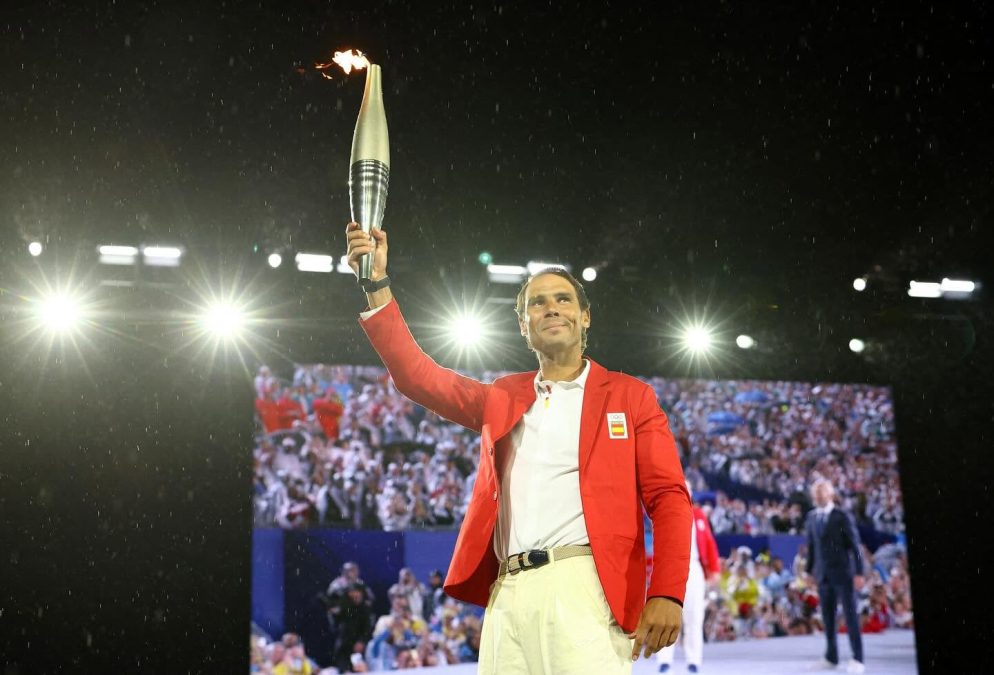
The Executive Board has also recommended significant adjustments to the process used to select Olympic hosts, with the objective of making the system more transparent and giving IOC members a stronger role.
Additional changes
A notable feature of the proposed changes is the addition of a new intermediary stage called Strategic Dialogue, positioned between the existing Continuous Dialogue and Targeted Dialogue phases. This stage would enable the executive board to identify and shortlist interested bidders before formal discussions advance.
“The reforms are designed to enable potential hosts to develop their projects in a more cost-efficient way, offering planning security for governments while allowing sufficient time to build public support,” the IOC said.
If ratified by the IOC Session, the proposals would mark one of the biggest governance transformations within the Olympic movement in recent years.