Advertisement
Money habits children learn at home that affect their finances as adults
20th May, 2026 01:20 PM

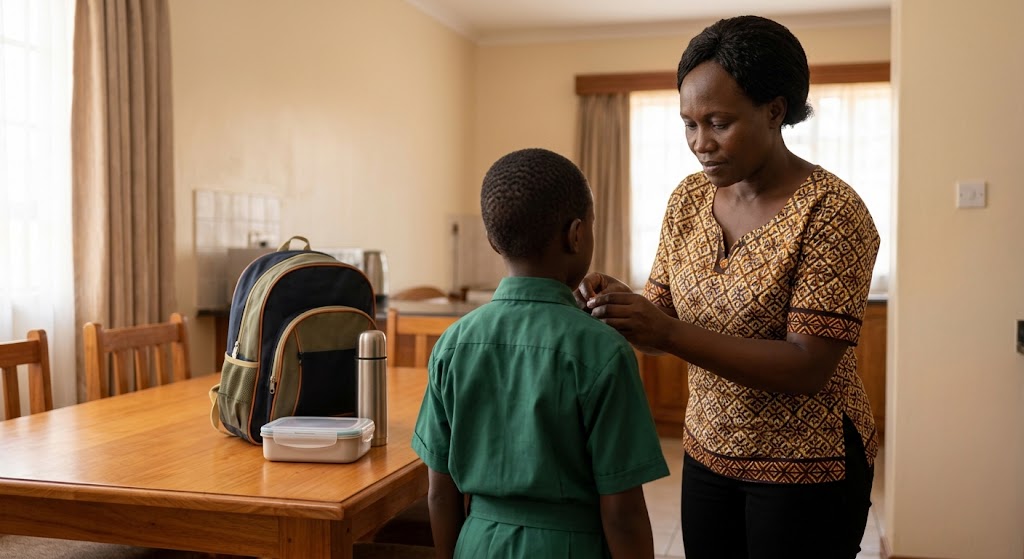
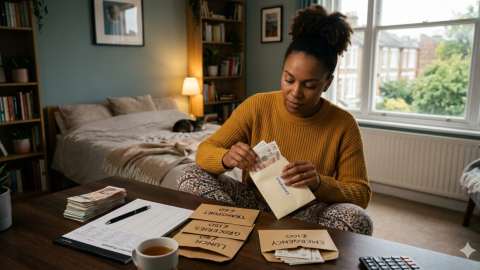
For many people, the first understanding of money does not come from school or business class but from everyday life at home. How parents and guardians handle spending, saving, borrowing, and even talking about money often becomes the blueprint children carry into adulthood.
Experts in financial education noted that children are highly observant. Even when money conversations are not direct, they pick up habits from how adults behave at the shop, in budgeting discussions, or during financial stress. According to the World Bank’s Global Financial Development Report, early exposure to financial behaviour significantly influences long-term financial decision-making.
A financial literacy educator once noted, “Children do not just listen to what is said about money; they learn more from what is done with money.”
The habits that shape spending behaviour
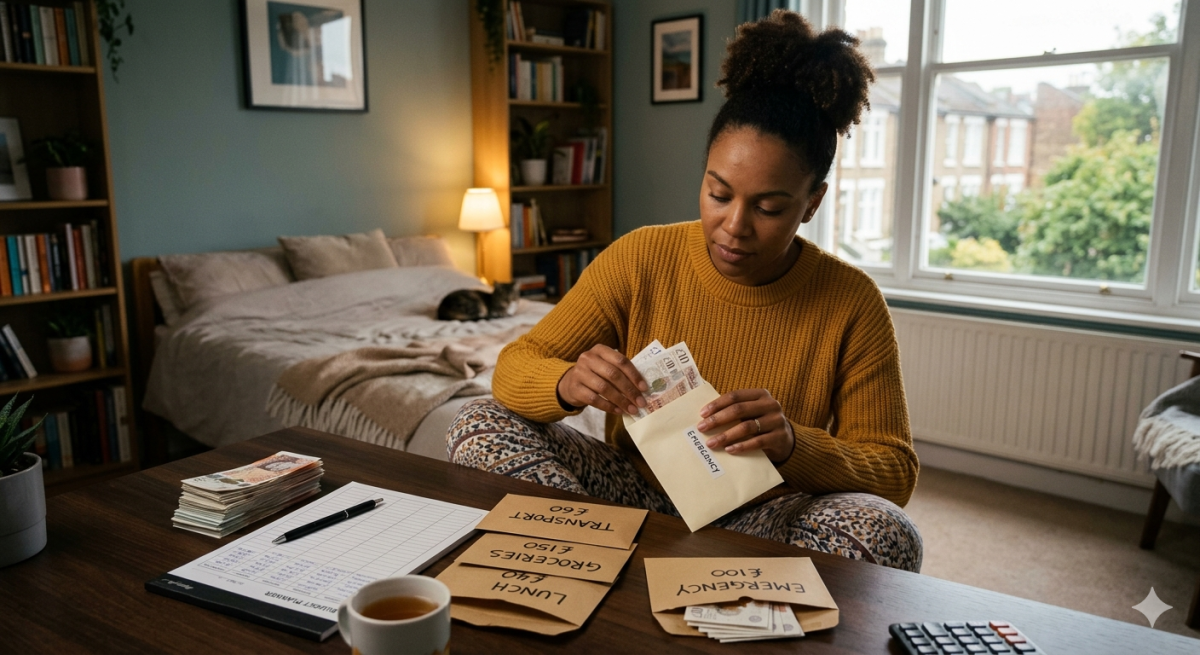
One of the most common habits passed down is impulsive spending. In homes where purchases are often made without planning, children may grow up associating money with instant gratification. On the other hand, households that emphasise budgeting tend to raise more cautious spenders.
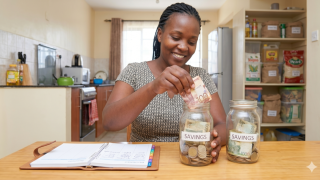
Saving culture is another major influence. When children see saving being practised, whether through bank accounts, savings groups, or simple household systems, they are more likely to adopt it later in life. Research by the Organisation for Economic Co-operation and Development (OECD) showed that early savings behaviour is strongly linked to financial stability in adulthood.
However, in homes where money is frequently associated with stress, arguments, or secrecy, children may develop anxiety around finances or avoid financial planning altogether.
Debt, borrowing, and emotional money lessons
Borrowing habits at home also play a big role. When children grow up seeing frequent reliance on loans for basic needs, they may normalise debt as a lifestyle rather than a financial tool. This can affect how they approach credit later in life, including mobile loans and credit cards.
Children who are not taught the difference between “good debt” and “bad debt” often struggle with debt management as adults.
Emotional responses to money, such as fear, pride, or shame, are also learned early. In many households, money is rarely discussed openly, leaving children to form assumptions that may not always be accurate or healthy.
Building healthier money foundations
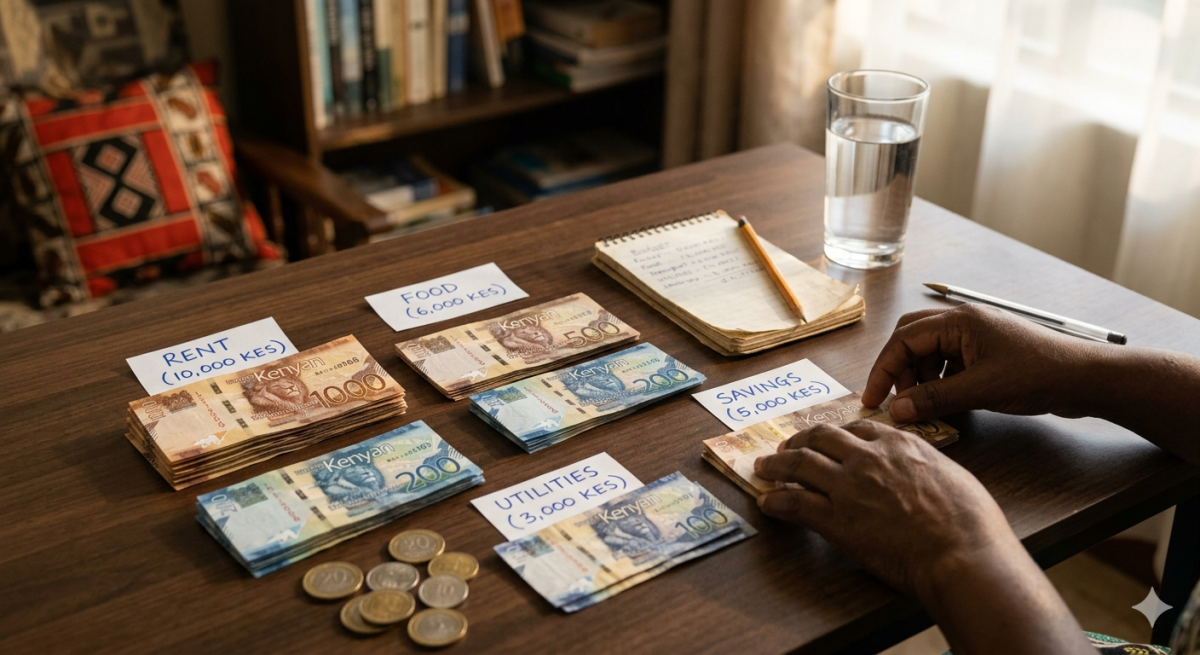
Experts recommend that financial literacy begin at home in simple ways. This includes involving children in small budgeting decisions, encouraging saving habits, and explaining financial choices in a way they can understand.

The OECD emphasised that financial education is most effective when introduced early and reinforced consistently through everyday experiences.
In conclusion, money habits formed at home often follow individuals into adulthood, shaping how they earn, spend, save, and borrow. While schools may later refine financial understanding, the foundation is usually laid much earlier within the household environment.
As financial experts often warn, breaking unhealthy money patterns requires awareness, discipline, and sometimes unlearning what was absorbed in childhood.