What Reuters Digital News Report 2026 tells us about how Kenyans get their information
By Dan Kauna, June 17, 2026The way Kenyans get their news is changing fast. If you spend any time scrolling on your phone, you already know this.
The latest Reuters Institute Digital News Report 2026, which came out on June 16, 2026, across 48 countries, confirms what we see every day.
For the first time across the world, social media platforms have beaten traditional news websites, with the researchers saying “54 per cent of people use them as their main source of online news.”
Kenya leads this trend. Kenyans are moving away from traditional TV and newspapers, choosing instead to get our updates directly from our favourite online spaces.
Influencers take over the news
Kenyans’ habits stand out globally because of how much they follow individual content creators. The 2026 report shows that 58 per cent of Kenyans get their news from online creators weekly, and 33 per cent say these influencers meet most of their news needs.
TikTok and YouTube are now the biggest entry points for current affairs, especially for the youth.
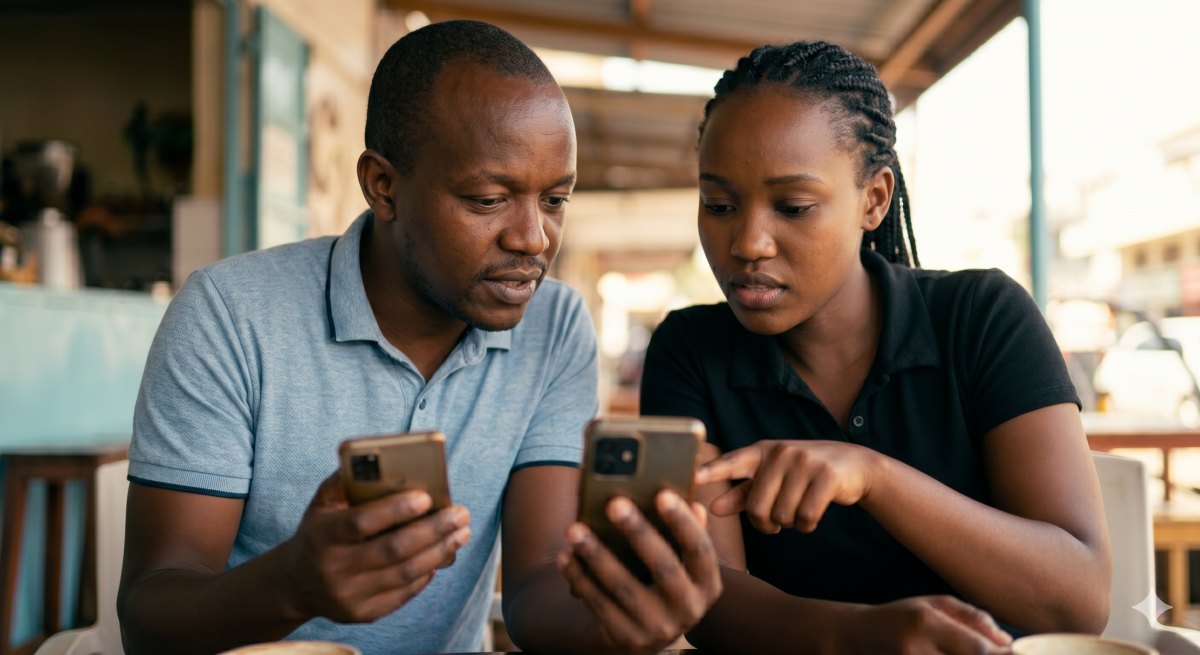
This shift is happening just as local media houses face tough times. For instance, delayed government advertising payments of Ksh866 million, or about USD6.7 million, have put massive pressure on legacy newsrooms.
The trust question and fake news
Even though Kenyans love the speed of TikTok and WhatsApp, it does not mean they believe everything they see. Surprisingly, Kenya still has a high news trust score of 68 per cent.
They love the humour and energy of online creators, but still look back to established media houses when they want to check if a story is actually true.
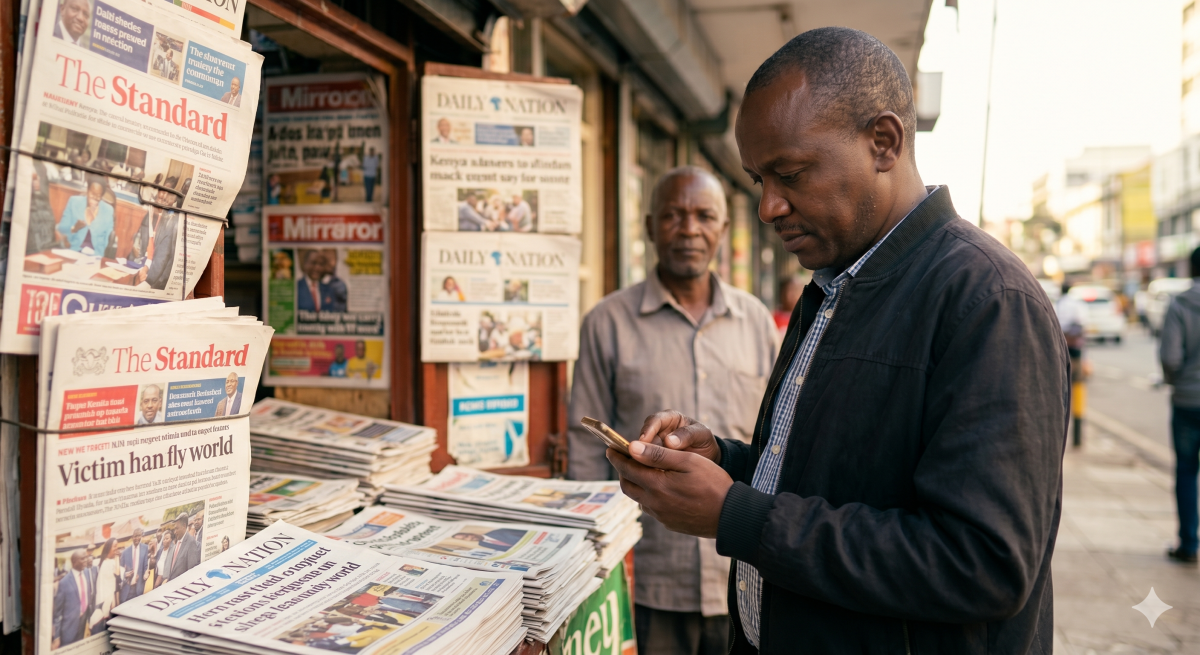
A peer-reviewed study in the journal Digital Journalism called Everyday News Use and Misinformation in Kenya looked into this. The researchers found that “Kenyans consume news from a variety of sources, but trust in these sources vary with most finding “mainstream” news media most trustworthy.”
This means that while they might spot a trending topic on WhatsApp or a creator’s page, Kenyans still depend on traditional brands to separate facts from fake news.
The tools to find information have completely changed, but our need for reliable, verified reporting remains the same.