Advertisement
Monetising intellectual property in Kenya: Rights most creators don’t know they own
06th June, 2026 09:22 PM
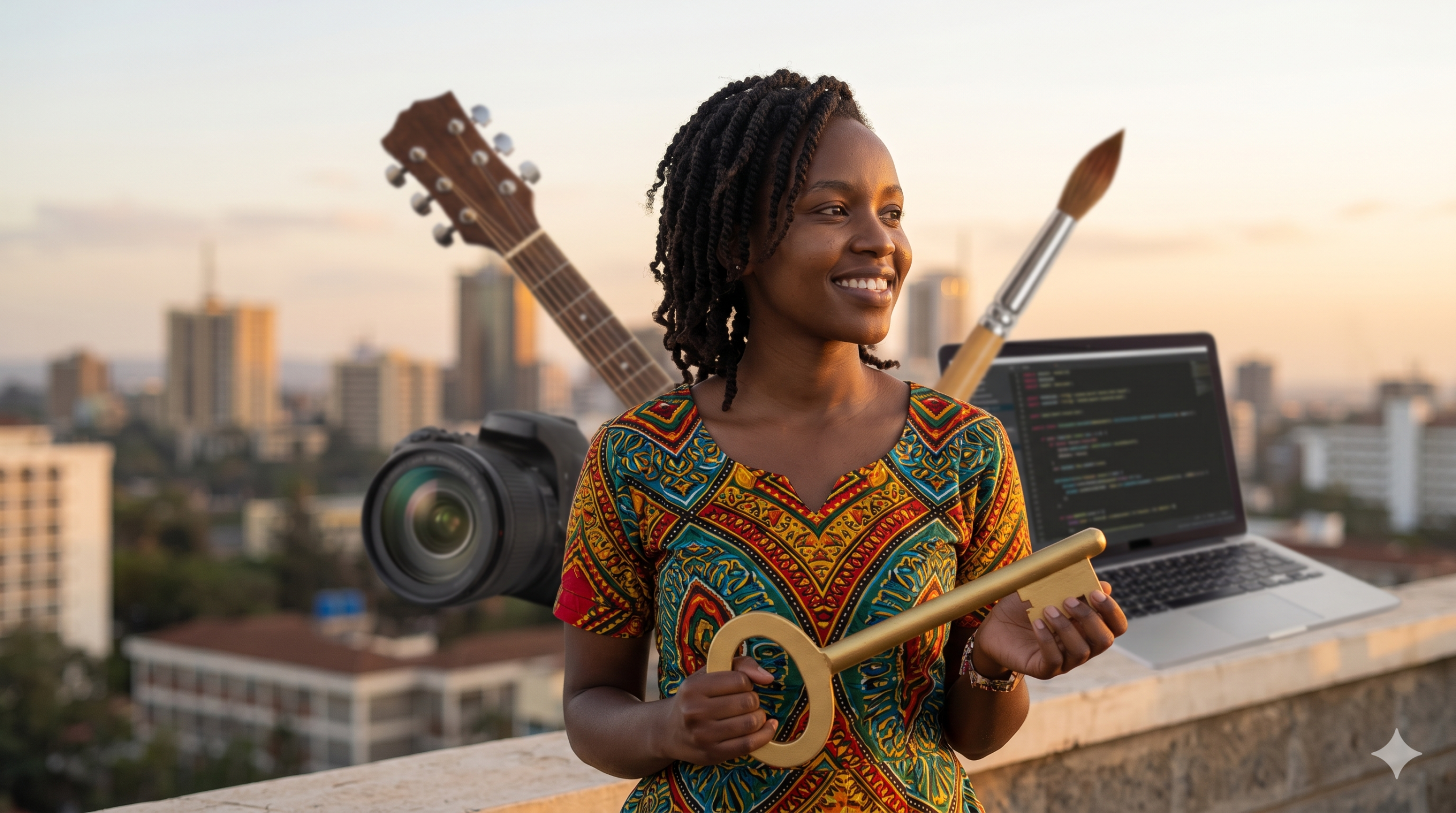
If you have ever written a song, taken a photograph, published an article, or built a piece of software, you already own something valuable. Most Kenyan creatives just do not know how to turn that ownership into income, and that gap is costing them.
Kenya’s Copyright Act, 2001 (Cap. 130) is the foundation.
Under Section 22(1) of the Act, seven categories of work – literary, musical, artistic, dramatic, audio-visual, sound recordings, and broadcasts – are eligible for copyright protection.
Crucially, that protection is automatic the moment you fix your work in material form. You do not need to register to own the right. What registration does is make it far easier to prove ownership if anyone ever disputes it.
How to register with KECOBO
The Kenya Copyright Board (KECOBO) runs the National Rights Registry, where creatives can voluntarily register their work under Section 22A of the Act.
Once registered, your work sits on a searchable database that signals to broadcasters, publishers, and licensing platforms exactly who owns what – which is the first step to getting paid.

Registration is not the finish line, though. It is the starting block. The real income stream comes through licensing: giving others permission to use your work in exchange for a fee, while you retain ownership.
A licensing agreement can be exclusive or non-exclusive, time-limited or open-ended, and can cover everything from a brand using your photograph in an advertisement to a streaming platform distributing your music.
Where the royalty money lives
For musicians, the Collective Management Organisations (CMOs) are the mechanism for collecting ongoing royalties.
The Music Copyright Society of Kenya (MCSK) handles royalties for songwriters and composers, the Kenya Association of Music Producers (KAMP) covers producers, and the Performing and Audiovisual Rights Society of Kenya (PAVRS) handles performers and audiovisual creators.

Writers and photographers can also license their work directly through contracts, and software developers can register code as a literary work under the same Act.
Research published in the Journal of the Knowledge Economy found that in sub-Saharan Africa, “appropriation channels are essential for transforming innovation pursuits into a competitive advantage” meaning the creators who actually protect and commercialise their IP outperform those who do not.
The system is imperfect and reforms are ongoing. But the law already gives Kenyan creatives more protection than most of them are using. Start with KECOBO, register your work, and enrol with the relevant CMO.