Advertisement
Frequently asked questions about Kenyan music royalties and copyright
26th August, 2025 09:56 PM
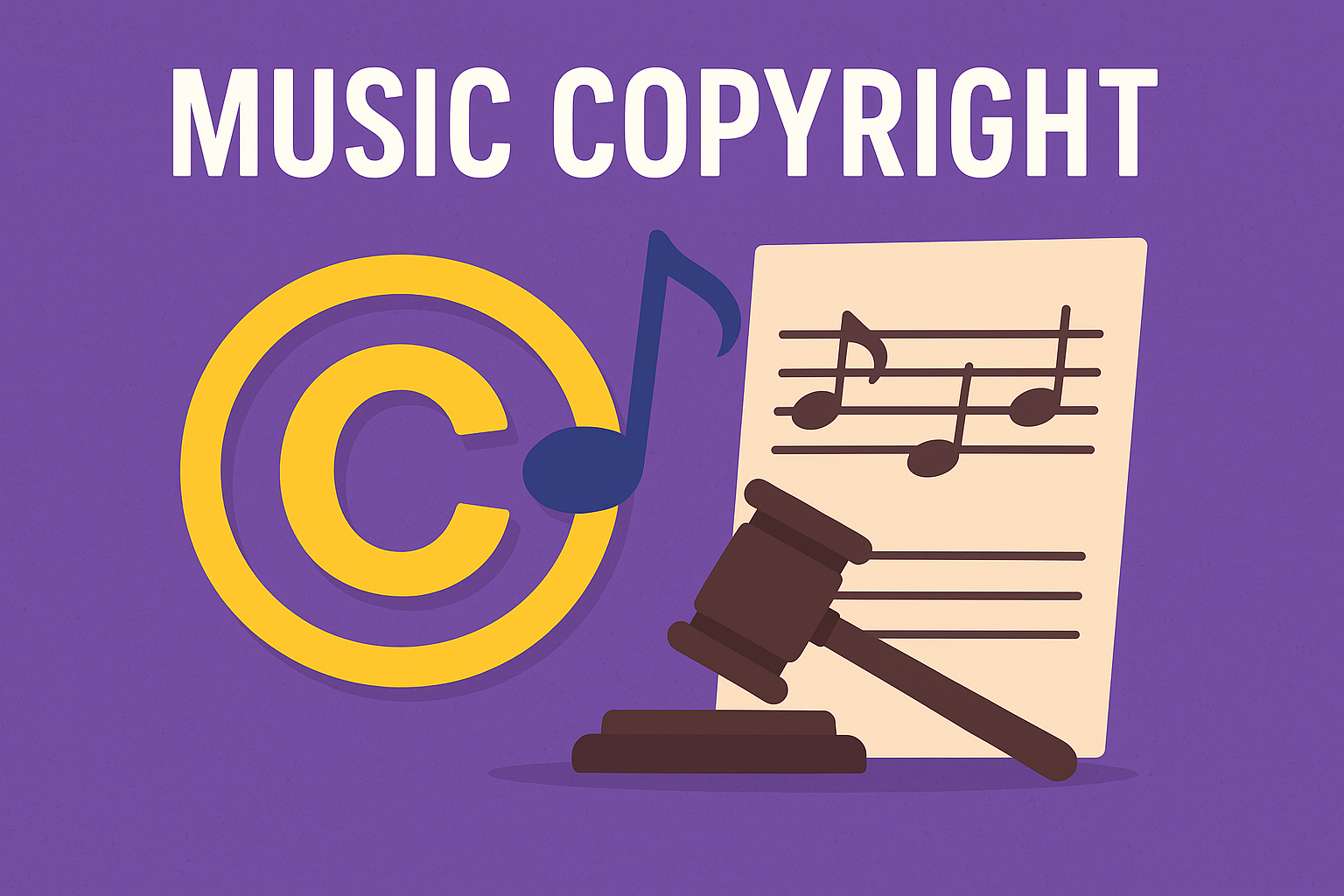
The Kenyan music scene has been buzzing like never before, with a new generation of singers, producers, and digital platforms changing the game every day. But with all the beats, hits, and viral tracks, there is also a side of the industry that can get messy.
Copyright fights and royalty disputes have become almost as common as chart-topping singles, with artistes often clashing over who owns a song, a lyric, or a beat. For many up-and-coming musicians and even fans, figuring out how money from streams, radio plays, and performances actually reaches the artistes can feel like solving a puzzle.
With that, let’s explore the key questions about music royalties and copyright in Kenya and make sense of it all in a clear and simple way.
1. What are music royalties?
Music royalties are payments made to creators, such as artistes, composers, songwriters, and producers, when their music is used commercially. These payments can come from multiple sources, including radio and television broadcasts, streaming services, public performances at events, or the sale of albums and singles.
Essentially, royalties are a way to ensure that every time a musical work is consumed or monetised, the creator earns a fair share. In the current digital age, streaming platforms have added new layers to royalties, making it essential for creators to understand all potential revenue streams.
2. How are royalties collected in Kenya?
In Kenya, royalties are generally collected through Collective Management Organisations (CMOs), such as the Music Copyright Society of Kenya (MCSK) and the Performers Rights Society of Kenya (PRSK). These organisations monitor the use of music across radio, television, streaming platforms, and live performances.

Once usage is tracked, the collected fees are distributed to registered members based on pre-agreed formulas. CMOs play a critical role in ensuring that artistes are paid even when their music is played far from their direct control, such as on national radio or digital platforms abroad.
3. Who is eligible for royalties?
Any artiste, composer, songwriter, or producer whose music is used commercially is eligible to receive royalties. Registration with a recognised CMO is a key requirement for receiving payments, as it legally documents ownership and usage rights.
For example, if a producer creates a beat that is used by multiple artists, or if a songwriter contributes to a song, each contributor may be entitled to a share of royalties. In Kenya, clear registration and documentation have become even more important as disputes over song ownership continue to rise.
4. How are royalties calculated?
Royalties are calculated differently depending on the type of usage. For radio and television, CMOs typically collect licensing fees from broadcasters, which are then distributed to artistes based on airplay frequency and audience reach. For streaming platforms like Spotify, Boomplay, YouTube, or Apple Music, payment is usually per play or per download, with rates negotiated between the platform and the CMO.
This system ensures that creators are paid proportionately to how often their work is consumed. However, rates can vary widely depending on agreements, contracts, and whether the artiste is independent or signed to a label.
5. What is copyright, and why is it important?
Copyright is the legal protection granted to creators over their original works, including songs, lyrics, recordings, and performances. It ensures that no one can reproduce, distribute, or profit from the work without the creator’s consent.
Copyright is essential in protecting artistes from theft, plagiarism, or misuse of their creations. For Kenyan musicians, copyright is especially critical in an era of digital content, where songs can quickly go viral and be monetised on multiple platforms without proper authorisation.
6. How long does copyright protection last?
In Kenya, copyright protection for musical works generally lasts for the life of the creator plus 50 years after their death. For sound recordings and performances, the period can also extend to 50 years from the date of first publication.
This extended protection ensures that artistes and their heirs continue to benefit financially from the work for decades, safeguarding generational wealth and legacy.
7. Can music be used without permission?
No. Using music without the creator’s consent or proper licensing is considered copyright infringement.
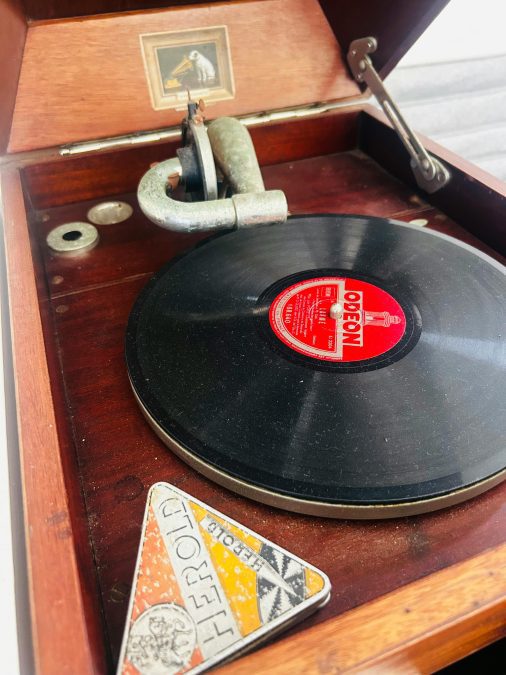
This includes copying, sampling, or broadcasting a song without permission. Offenders may face legal action, fines, or other penalties. For artistes, enforcing this right is crucial to maintaining control over their work and ensuring they are compensated fairly, especially when a song becomes popular online or on digital platforms.
8. How can upcoming artistes ensure they receive royalties?
Upcoming artistes should register with the relevant CMOs as early as possible, maintain records of their works, and understand contracts signed with producers, labels, or collaborators. Clear documentation prevents future disputes and ensures that each contributor to a song is properly recognised.
In addition, understanding digital distribution agreements with streaming platforms is vital, as this is now one of the primary ways music earns revenue.
9. Are royalties affected by digital streaming?
Yes. The rise of streaming platforms has fundamentally changed how royalties are earned and distributed. Unlike traditional radio, streaming platforms pay per play or download, which means that even relatively unknown songs can generate income if streamed consistently.
CMOs negotiate with these platforms to ensure that Kenyan artistes receive fair compensation, but independent creators must also be proactive in monitoring plays and registrations to maximise earnings.
10. What should artistes do if their work is used without permission?
If an artiste discovers that their work has been used without permission, they should immediately report the infringement to their CMO or seek legal counsel. Taking swift action helps protect their intellectual property, stops further unauthorised use, and ensures they are compensated for past violations.
In some cases, public disputes have emerged online over uncredited work, highlighting the importance of knowing one’s rights and taking action early.
Author
Steve Ireri
Steve is a senior writer with over four years of experience in digital journalism. His focus is on the showbiz and human interest stories. Emails: [email protected] , [email protected]
View all posts by Steve Ireri