Advertisement
Revealed: How long-distance sextortion traps lovers into paying
05th December, 2025 10:01 PM

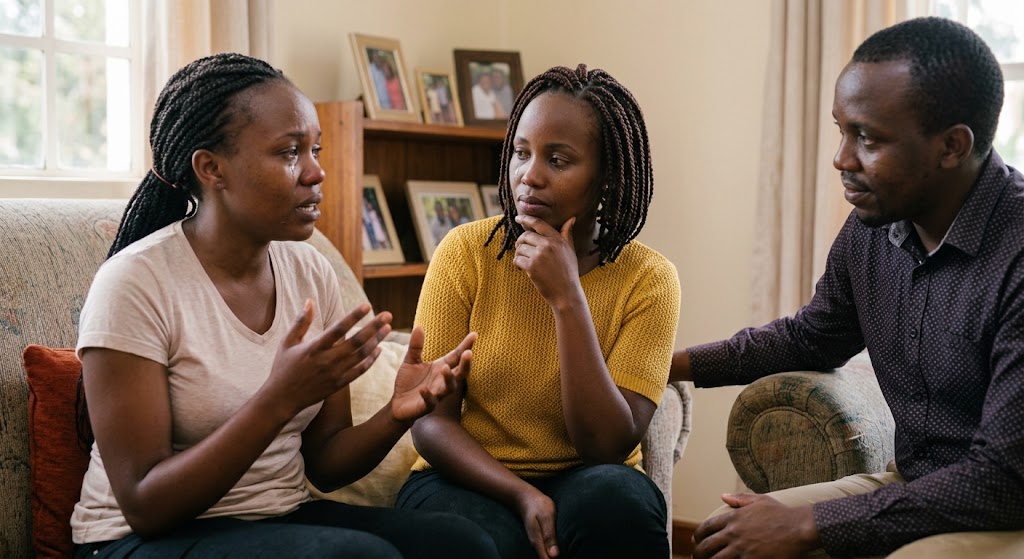
Rights organisations have raised concerns over an alarming trend where spouses are coercing their partners in long-distance relationships to send nude photos and videos, only to later use the material to extort money from them.
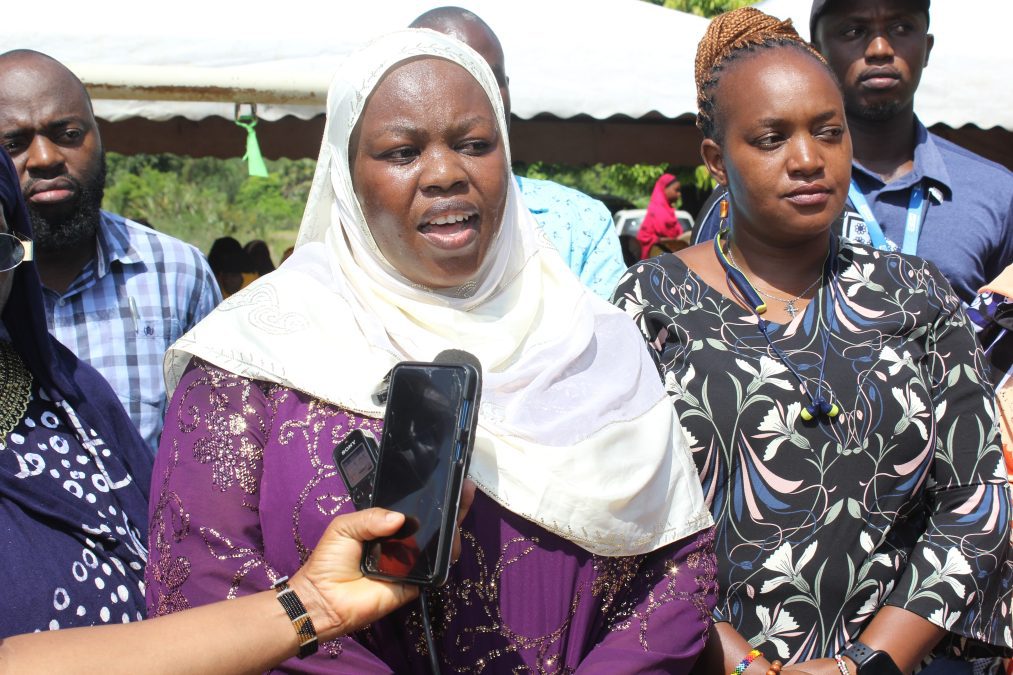
Speaking with K24 digital on Friday, December 5, 2025, the group led by the Executive Director of Tuwajali Wajane, Mwanasha Gaserego, intimated that the practice has become increasingly prevalent, leaving many victims, especially those who had travelled to Saudi Arabia for greener pastures, trapped in cycles of emotional distress and financial exploitation.
Also watch: Does height matter in a relationship?
“Spouses often threaten to share intimate photos on social media or with family and friends if their partners refuse to send money. Once the relationship ends, or when the demands are unmet, these images are sometimes exposed publicly,” Gaserego said.
She added that the consequences of this form of digital abuse are devastating and that many young women are pushed into depression and are forced into debt, as all their hard-earned money is drained to meet the demands of their partners.
She said that once the spouses return home, most of them are left confused and helpless, unsure of where to begin rebuilding their lives.
“Many come back with nothing, emotionally drained, financially exploited, and having lost precious time for nothing in return,” she explained.
Also watch: Geoffrey Mosiria urges GBV victims to leave their relationships and marriages
Unsuspecting victims
According to Gaserego, victims often realise too late that they have been manipulated by partners they trusted.
She disclosed that by the time they escape the online extortion cycle, their savings are depleted, their relationships strained, and their psychological well-being severely affected.

The Tuwajali Wajane boss added that the trauma extends beyond financial loss, with some victims isolating themselves due to shame, while others fear that their explicit images may still be circulating online, making it difficult for them to reintegrate into society.
Gaserego said the victims live in constant anxiety, unsure who has seen their photos and whether the threats will ever stop.
She stressed the need for urgent awareness campaigns to educate the public about online safety, digital consent, and the dangers of sharing intimate content.
Also watch: Night bar fight turns deadly as man is stabbed by wife in Bomet
Call for action
As the festive season draws closer, when crime rates usually surge, Gaserego has called on the government to tighten the cybercrime unit to ensure perpetrators are tracked, apprehended, and held accountable.
Moreover, International Justice Mission (IJM) officer Moses Temba has urged the government to intensify public awareness on technology-facilitated gender-based violence (TFGBV), warning that many people remain uninformed about emerging digital forms of abuse that are causing widespread harm.
Temba said cases of online exploitation, cyberstalking, sextortion and digital surveillance are rising, yet communities lack the knowledge and tools to identify, prevent or report such incidents.

“Many people do not understand this new technology-driven GBV, and it is wreaking havoc in homes and relationships,” he said.
He called on the government to establish safe spaces and clear referral pathways to support victims seeking help.
He noted that survivors often suffer in silence due to fear, stigma or lack of accessible reporting channels.
Temba also emphasised the need for a stronger data collection framework to guide policy and interventions.
“We normally complain about rising GBV cases, but the people collecting data at the grassroots level lack the expertise to compile and interpret it. This makes it difficult to confront the issue effectively,” he said.
He urged relevant agencies to invest in capacity building for local data officers, standardise reporting systems and treat GBV data as a matter of urgency.
He added that the move will help in shaping targeted responses and ensuring justice for victims.