Advertisement
Observation starter pack: What you need to see tonight’s rare planetary parade
28th February, 2026 09:39 AM
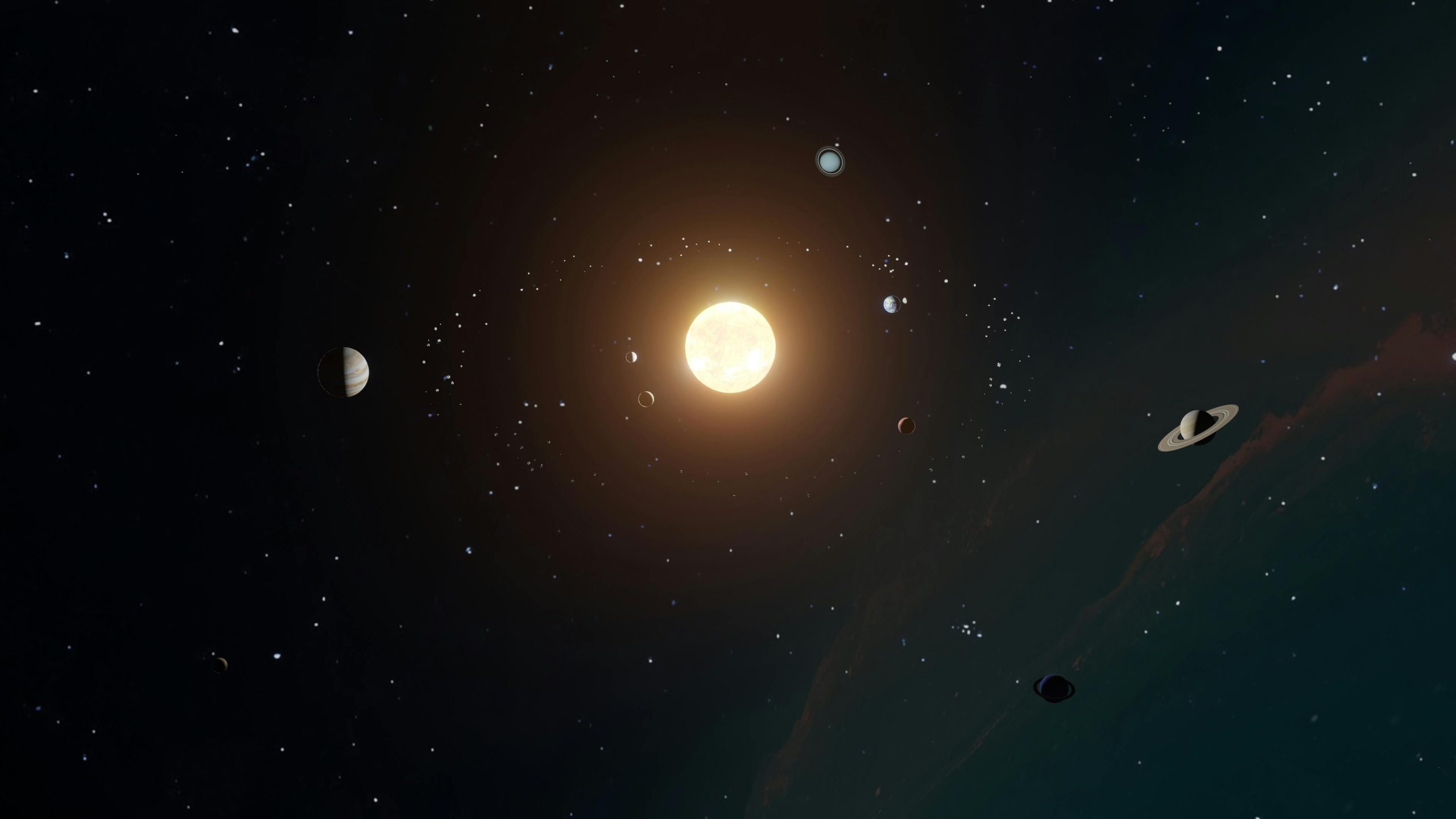
Kenya is among the few countries in the world set to witness a rare celestial event tonight: a planetary parade. As the sun dips below the horizon on Saturday, 28 February 2026, the evening sky will become a stage for a remarkable alignment of planets. This phenomenon occurs when several planets in our solar system appear in a straight line along the ecliptic, the imaginary plane along which Earth and the other planets orbit the sun. While the planets are never truly aligned in space, from our vantage point on Earth, they seem to form a beautiful arc across the twilight sky.
For stargazers in northern and central counties, including Turkana, Marsabit, Samburu, Laikipia, Nyeri, Nakuru, and Baringo, the sight promises to be unforgettable, with wide horizons and clearer skies providing the ideal vantage points.
Your observation starter pack
To enjoy tonight’s planetary parade to the fullest, you need a few essentials. First, a clear, unobstructed view of the western horizon is crucial; rooftops, open fields, or parks away from city lights work best. Northern and central Kenya offer the widest vistas, improving your chances of spotting even the dimmer planets. Timing is key: the best window begins about 30 minutes after sunset, when the sky has darkened but the planets near the horizon have not yet disappeared.
For seeing the planets, your eyes are the first tool. Venus and Jupiter, the brightest of the group, will be visible without instruments and will guide your gaze along the ecliptic. Mercury and Saturn will appear lower and fainter, so patience is needed to catch them before they fade into the twilight.
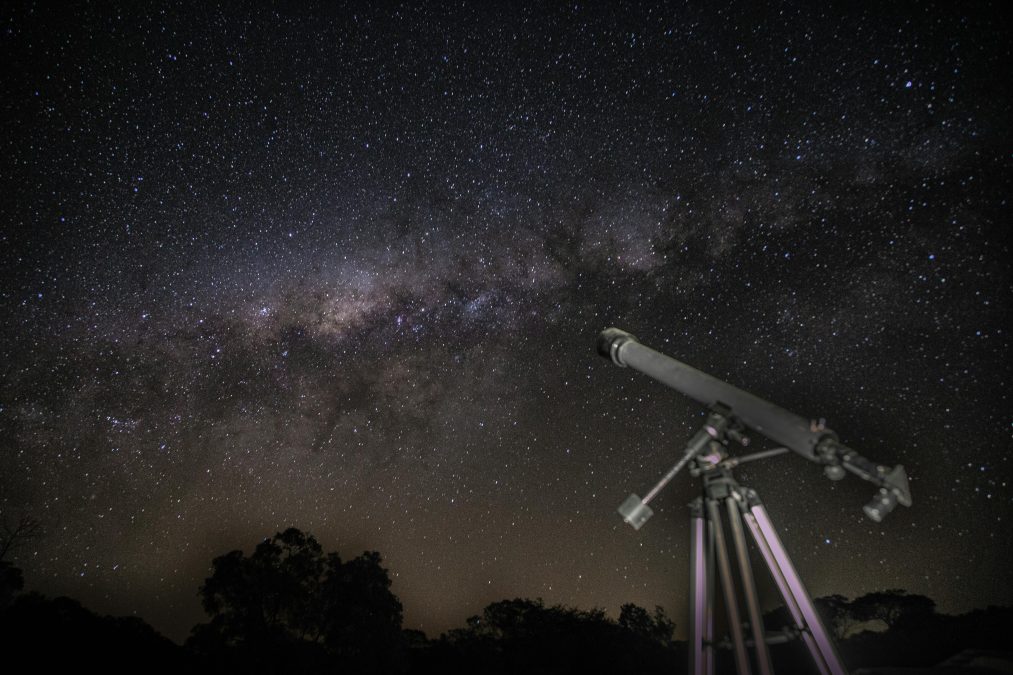
To observe Uranus and Neptune, a small telescope or binoculars are recommended, as these distant planets are too faint for the naked eye. Finally, a comfortable spot and some warm clothing will make the experience more enjoyable, as waiting for twilight and scanning the horizon requires stillness and focus.
What to expect
In the western sky, the parade will trace a gentle arc. Mercury will cling low near the horizon, Venus will shine brilliantly just above it, and Jupiter will appear slightly higher, steady and commanding attention. Saturn will add a subtle golden glow, while Uranus and Neptune, distant and faint, will complete the alignment for those using binoculars or telescopes.
Unlike stars, the planets will appear steady, their light unbroken by the twinkling caused by Earth’s atmosphere. Observers in dark, open areas will get the best view of this rare sight, witnessing a celestial ribbon stretching across the evening sky.
Planetary parades are uncommon. Alignments involving four or more visible planets happen only every few years, but seeing six planets, with some visible to the naked eye, is unusual. This is a chance for Kenyans to witness the slow, majestic dance of the solar system and to appreciate the vastness of the universe.