Advertisement
Hafidh Hassan’s death: 7 Islamic funeral rituals that will guide Samia Suluhu’s husband’s burial
07th September, 2026 12:50 PM
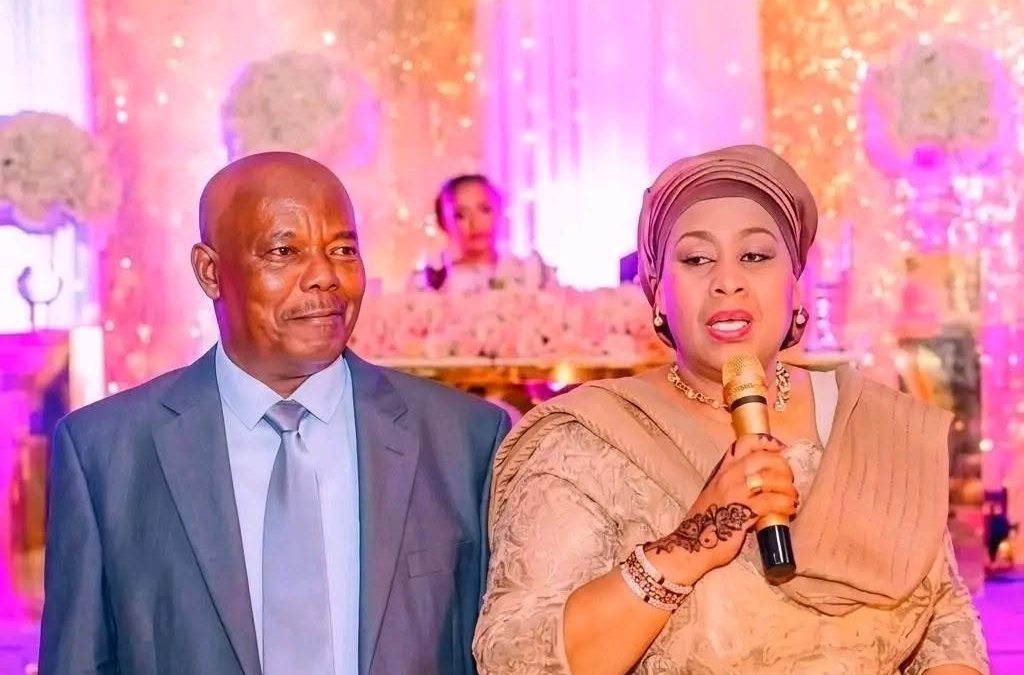
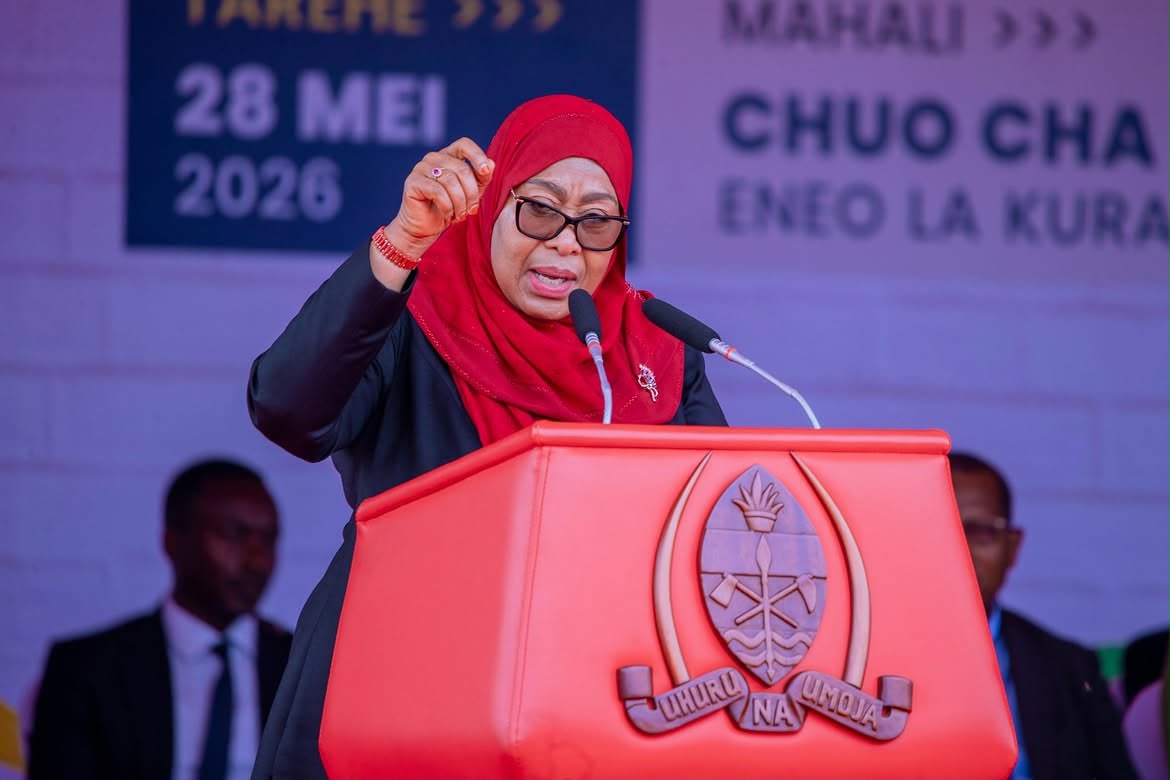
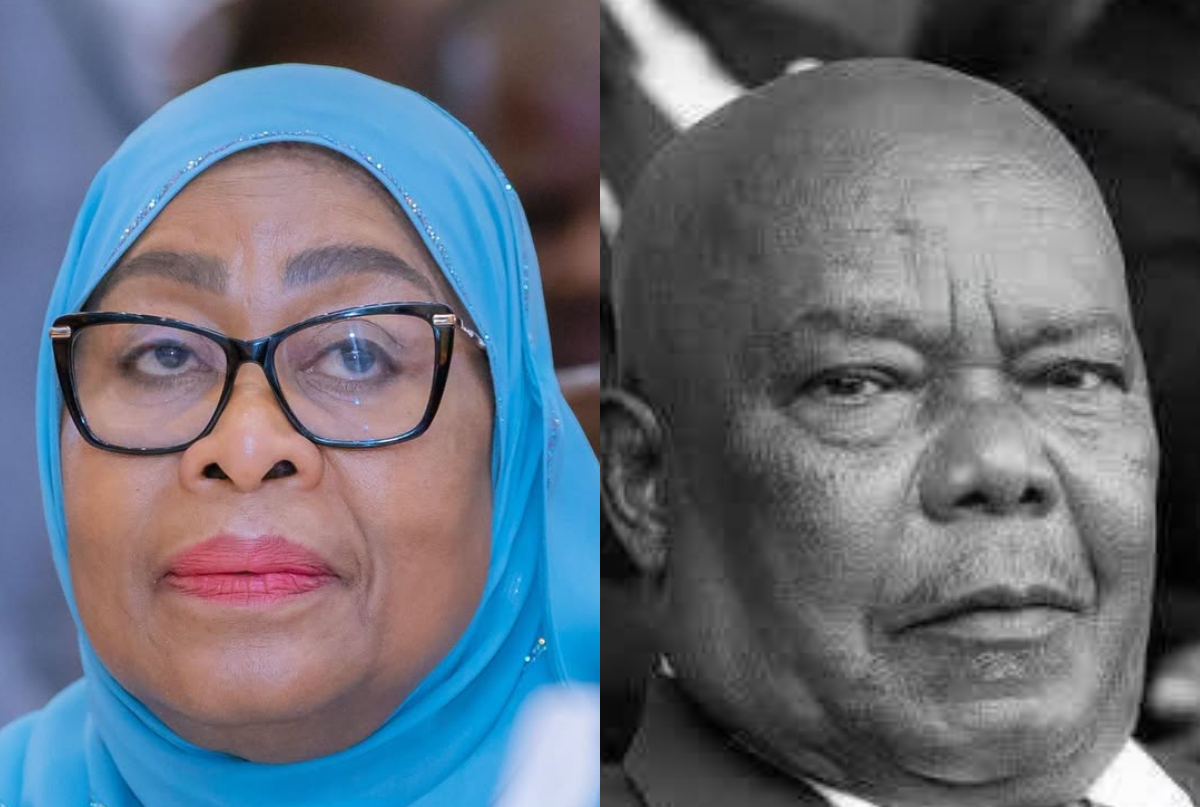
Tanzania’s First Gentleman, Hafidh Ameir Hassan, has died, setting in motion a solemn Islamic farewell that will see his final journey guided by a series of religious rites observed by Muslims around the world.
The husband of President Samia Suluhu Hassan died at 8:00 am on Monday, September 7, 2026, at Emilio Mzena Memorial Hospital in Zanzibar, where he had been receiving treatment for a heart condition.
As Tanzania mourns the loss of the President’s husband, funeral arrangements are already underway in Kizimkazi, Zanzibar, the area where the family has deep roots.
While the exact burial date and time had not been announced, Islamic tradition places great emphasis on burying the dead promptly, meaning Hafidh’s final journey is expected to take place without an unnecessarily prolonged wait, subject to official arrangements and the presence of close family members.
Here are seven Islamic funeral rituals that are expected to shape the send-off of Tanzania’s First Gentleman.
1. His body will be ritually washed
One of the first major rites following the death of a Muslim is Ghusl, the ritual washing of the body.
The deceased is carefully washed and prepared for burial in accordance with Islamic teachings, with the process conducted respectfully and with the body kept covered to preserve dignity and privacy.
The washing is traditionally carried out by people of the same gender as the deceased, with close family members or members of the Muslim community often involved.
2. He will be wrapped in a simple white shroud
After the ritual washing, Hafidh’s body will be wrapped in a Kafan, the Islamic burial shroud.
For Muslim men, the shroud traditionally consists of simple pieces of clean white cloth that cover the body.
The simplicity of the shroud carries a profound religious message: regardless of social standing, wealth or position in life, Muslims are ultimately returned to the earth without the trappings of status.
3. Muslims will gather for Salat al-Janazah
Before burial, the deceased is taken for Salat al-Janazah, the Islamic funeral prayer.
The prayer is different from the five daily prayers because it is performed while standing and does not involve the usual bowing or prostration.
Family members, friends, religious leaders and members of the wider Muslim community may gather to participate in the prayer and seek God’s mercy for the deceased.
Given Hafidh’s public profile and his connection to President Samia, his funeral prayer is expected to draw a large gathering of mourners.
4. His body will be taken to the grave
After the funeral prayer, the body will be taken to the burial site for Al-Dafn, the Islamic burial itself.
Islam does not permit cremation, with burial in the ground forming the prescribed method of laying the deceased to rest.
The body is traditionally placed in the grave on its right side, with the face directed towards the Qiblah — the direction of the Kaaba in Mecca.
The grave itself is traditionally kept simple rather than transformed into an elaborate monument.
5. The burial will be carried out without elaborate earthly possessions
Islamic funerals place emphasis on simplicity, humility and equality in death.
Unlike some burial traditions in which a deceased person may be surrounded by expensive possessions, elaborate clothing or symbols of worldly status, Islamic practice does not call for such displays.
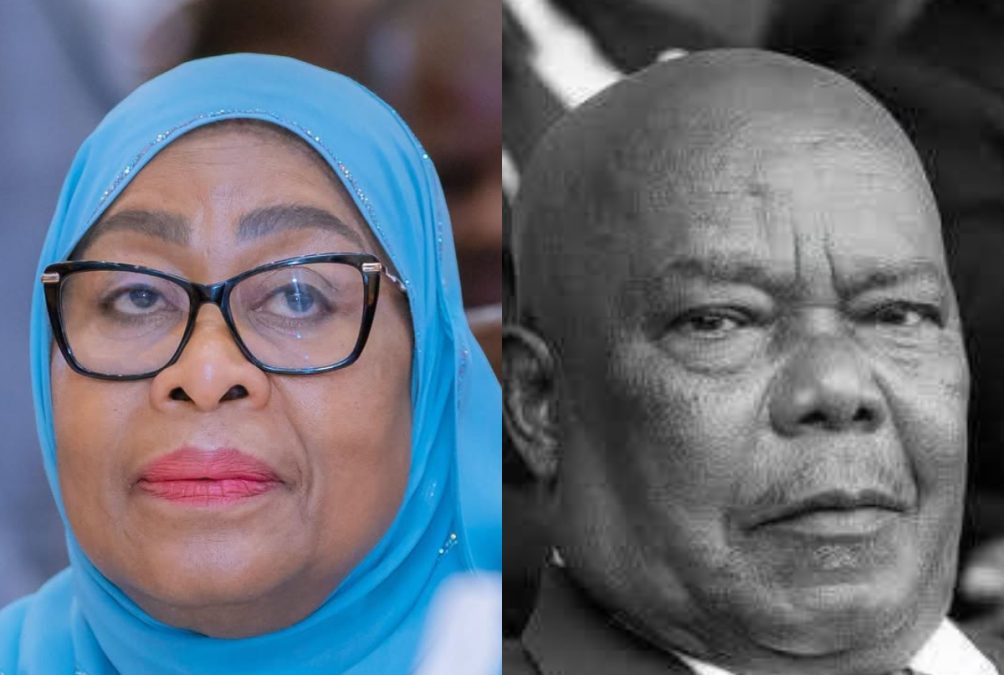
Hafidh’s position as Tanzania’s First Gentleman will therefore not alter the fundamental religious principles governing his burial.
The focus will remain on prayer, dignity and returning the deceased to the earth.
6. Mourners will pray for his soul
Following the burial, family members, friends and other mourners will continue remembering Hafidh through prayers and supplications.
The loss will be particularly profound for President Samia, who Ruto described in his condolence message as having lost her “lifelong companion”.
Kenyan President William Ruto, who mourned Hafidh after news of his death, prayed that Almighty God would comfort President Samia and her family, strengthen them through the difficult period and grant Hafidh eternal rest.
The prayers from Tanzania and beyond will form an important part of the mourning process as the First Family comes to terms with the loss.
7. President Samia will observe the Islamic mourning period
Beyond the burial itself, Islamic law also prescribes a specific mourning period for a woman whose husband has died, known as Iddah.
For a widow, the period is four lunar months and ten days, unless she is pregnant, in which case different rules apply concerning the end of the waiting period.
During Iddah, a widow observes a period of mourning and follows specific religious guidelines concerning her conduct and personal life.
Author
Steve Ireri
Steve is a senior writer with over four years of experience in digital journalism. His focus is on the showbiz and human interest stories. Emails: [email protected] , [email protected]
View all posts by Steve Ireri