Advertisement
4 people die after eating death cap mushrooms
07th February, 2026 06:51 AM
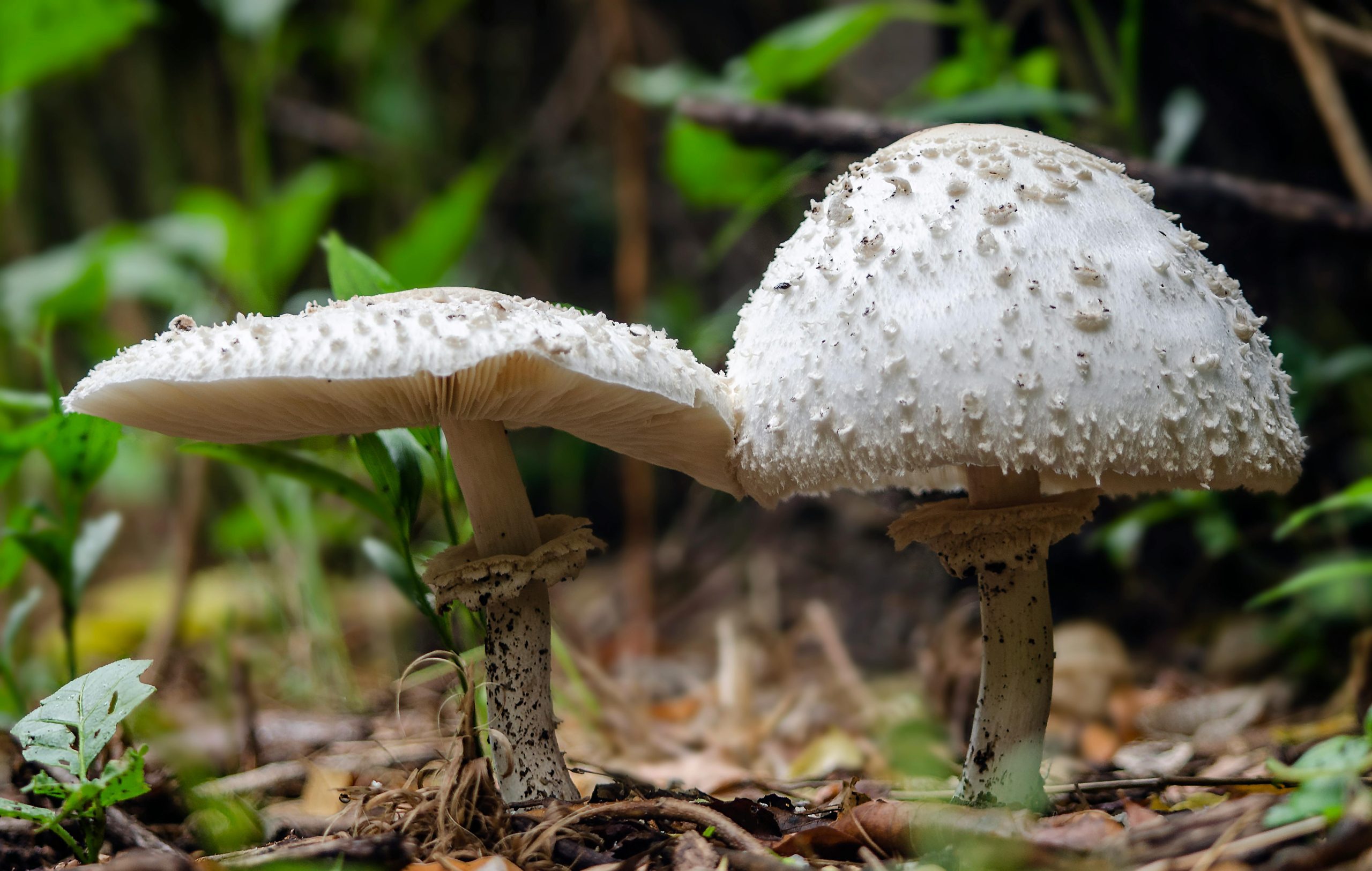
Four people have died, and three others have required liver transplants after eating the aptly named death cap mushroom that is proliferating in California following a rainy winter.
The California Department of Public Health is urging people to avoid mushroom foraging altogether this year because death cap mushrooms are easily confused with safe, edible varieties.
Since 2025, there have been more than three dozen cases of death cap poisonings reported linked to the mushroom, including four deaths and three liver transplants, according to the health department.
Many who sought medical attention suffered from rapidly evolving acute liver injury and liver failure. Several patients required admission to an intensive care unit. They have ranged in age from 19 months to 67 years old.
The death cap is one of the most poisonous mushrooms in the world and is part of a small group of mushrooms containing amatoxins, which are highly potent compounds causing 90% of fatal mushroom poisonings globally. They are in city parks and in forests, often under oak trees.
In a typical year, there are between two and five death cap poisonings, said Dr Craig Smollin, medical director for the San Francisco Division of the California Poison Control System.
“The main thing this year is just the magnitude, the number of people ingesting this mushroom,” Smollin said. “Having almost 40 is very unusual.”
Warm, fall temperatures coupled with early rains are leading to a kind of “super bloom” of death caps in California this year, experts say.
Eating even a small amount can be fatal, and experts warn that a mushroom’s colour is not a reliable way of detecting its toxicity, and whether the death cap variety is raw, dried or cooked does not make a difference.
Laura Marcelino told the San Francisco Chronicle that her family in the Northern California town of Salinas gathered mushrooms that looked like the ones she and her husband used to forage in their native Oaxaca, a state in Southern Mexico.

“We thought it was safe,” Marcelino, 36, said in Spanish.
Her husband was dizzy and tired the next day, but Marcelino felt fine, and they ate the mushrooms again, heating them up in a soup with tortillas. Their kids don’t like mushrooms, and so they didn’t have any. The next day, both adults, seasonal farmworkers, became ill with vomiting and stayed home from work.
Marcelino spent five days in the hospital, while her husband had to undergo a liver transplant.
People can have stomach cramping, nausea, diarrhoea, or vomiting within 24 hours after ingesting a toxic mushroom, and the situation can quickly deteriorate after that, experts say. Early symptoms may also go away within a day, but serious to fatal liver damage can still develop within 2 to 3 days.
Death cap mushrooms have been collected in local and national parks across Northern California and the Central Coast. Clusters have been identified in the Monterey and San Francisco Bay areas as well.
The public health department said those poisoned have included many Spanish, Mixteco, and Mandarin Chinese speakers and the state, in response, has expanded its warnings in different languages.
Spanish was the primary language for more than 60% of people poisoned, according to the health department.
The death cap resembles many fungi varieties from around the world that are safe to eat, and it changes in appearance in different stages, Smollin said, going from a brownish-white cap to a greenish cap.
“Unless you’re an expert who studies mushrooms, it can be challenging to know,” Smollin said.
Children have been among those poisoned this year. Officials advise keeping an eye on children and pets outside where mushrooms grow, and buying mushrooms from trusted grocery stores and sellers.

Treatment is more difficult once symptoms start, so doctors advise people to seek medical care once someone becomes aware that they have eaten a poisonous mushroom or suspects they have.
U.S. Poison Centres said in an email to The Associated Press that it has seen a 40% increase in mushroom exposures, not just the death cap, from September through January compared with the same period the previous year. Exposures do not always result in illness or poisoning.