Advertisement
Why super-rich families are trading private island living for mainland real estates
23rd August, 2026 10:09 AM
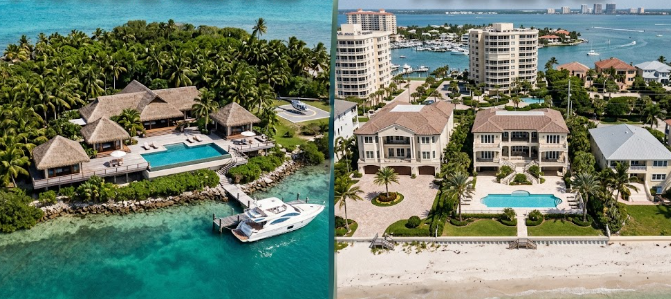
For years, owning a private island has been viewed as one of the clearest signs of extreme wealth. A secluded beach, a large family home and complete privacy offered a lifestyle that few people could afford.
But for some wealthy families, the appeal of having an island to themselves is beginning to change. Instead of holding on to remote islands that may have been in their families for decades, some are choosing mainland estates and large properties that offer privacy without the same level of isolation.
The trend is also taking shape in Kenya, where ageing wealthy individuals are now moving away from secluded properties to access key services. With children becoming independent, most wealthy Kenyan individuals have been left alone in reclusive estates such as Kitusuru, forcing them to rethink their options.
Some are moving to areas near key facilities like Westlands to avoid the struggle and headache of figuring out how to acquire them from far estates.
The change is not necessarily about wealthy families having less money. It is more about how they want their property to serve them and future generations.
The cost of keeping an island
Owning a private island can look attractive from the outside, but maintaining one can be complicated and expensive. Unlike a mainland home, almost every service has to be planned around the property’s location.
Transport, electricity, water, repairs, staff and emergency services can all become more difficult when a property is separated from the mainland. Even routine maintenance can require additional planning and travel.
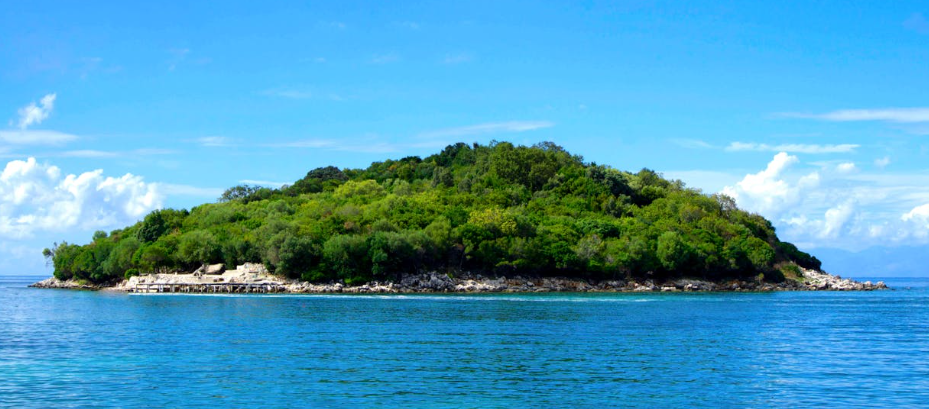
According to Forbes, private islands have historically been treated as both luxury retreats and novelty investments, but their isolation can also make them difficult to develop and maintain. The publication noted that some buyers eventually sell after discovering that owning an island involves considerably more work than simply purchasing the property.
For families whose priorities have changed, that responsibility may no longer be worth the convenience they give up.
Mainland estates offer privacy without isolation
Large mainland properties can provide many of the same advantages that attracted wealthy families to islands in the first place.
A sizeable estate can offer private gardens, forests, beaches or farmland while remaining within driving distance of airports, hospitals, schools, restaurants and business centres. This can be particularly important for families with children, older relatives or businesses spread across different locations.
Instead of owning a piece of land that requires a boat or private aircraft to reach, a family can purchase a large estate where privacy and accessibility exist side by side.
Forbes Global Properties has highlighted growing interest among wealthy buyers in large parcels of land, with privacy, nature and the scarcity of sizeable properties becoming important parts of the luxury market.
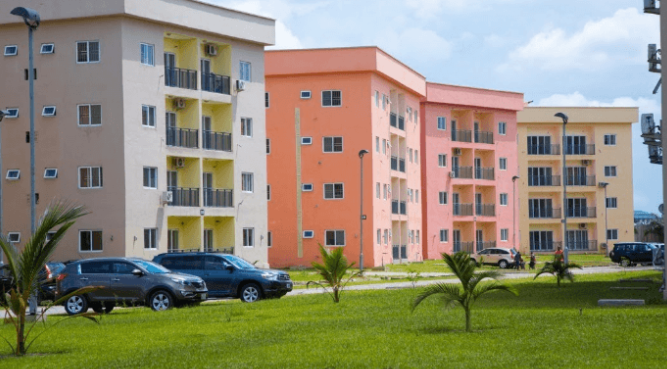
Family needs are also changing
A private island may have been ideal when a family spent several months together in one location. That can become less practical as younger generations move to different cities and countries.
Some wealthy families are therefore looking at property as a long-term family asset rather than simply a holiday retreat. A mainland estate can accommodate several houses, guest facilities and recreational spaces while allowing different generations to come and go more easily.
The shift also reflects changing attitudes towards wealth. For some buyers, owning an enormous but difficult-to-access property may be less appealing than owning land that can be developed, conserved or divided among family members.
Real estate is becoming a wealth-planning decision
Luxury property is increasingly being considered not only for prestige but also for its long-term value.
A mainland estate may provide more opportunities for development, agricultural use, rental income or future resale. It can also be easier to insure, maintain and connect to existing infrastructure.
That does not mean private islands are losing their appeal. There are still wealthy buyers looking for seclusion, exclusivity and the experience of owning something extremely rare.
However, the decision to sell an island can show how priorities change even at the highest levels of wealth.
For some families, the ultimate luxury is no longer simply being surrounded by water. It is owning enough land to have privacy, while still being close enough to the mainland for everyday life to remain convenient.