Why MPs deserve this public fury
By Aloys Michael, August 20, 2025In a rare moment of honesty or perhaps sheer desperation, some Members of Parliament are now admitting they passed unpopular bills to please President William Ruto.
It is a confession that sounds more like a plea for forgiveness than an expression of accountability. But Kenyans are neither forgetful nor naive. These admissions are not just too little, too late; they are an outright insult to the electorate.
For too long, Parliament has operated not as an independent arm of government, but as a rubber stamp for the Executive. Rogue bills, punitive tax regimes, and tone-deaf policies have sailed through the House with little scrutiny, often passed in late-night sittings with minimal debate and maximum arrogance.
Now that the heat is reaching their seats, courtesy of public anger that spilt onto the streets in the wake of the anti-government protests and the Head of State’s recent bare-knuckle to the August House.
MPs are scrambling to rewrite the narrative. But Kenyans have read this script before, and this time, the ending may not be as forgiving.
These leaders were not elected to be errand boys for the State House. They were chosen to represent the people’s voice, check excesses of power, and act in the nation’s best interests. Yet, what we have seen is a collective surrender of conscience at the altar of political loyalty. When Kenyans begged for a listening ear, MPs turned up the volume on propaganda.
When young people raised their voices, Parliament responded with teargas and contempt. That betrayal is neither forgotten nor forgivable.
To now claim that they acted under pressure or were misled is a cowardly attempt to deflect responsibility. Leadership is not about obedience to power; it is about fidelity to principle. And when those principles are traded for political expediency, the result is the economic and moral rot we’re currently swimming in.
The current House of Rules is not just complicit in Kenya’s woes; it is a co-author. Every overreaching tax, every bloated budget, every misallocation of funds has passed through their hands. They cannot pretend to be bystanders when they were the ones holding the pen.
If there is one silver lining in this dark moment, it is that Kenyans are finally awake and unforgiving. The tide of civic awareness, driven largely by youth movements, has shattered the illusion that politics is the exclusive domain of the elite.
Tasting own medicine?
So yes, MPs are finally getting a taste of their own medicine. But if they think this is bitter, wait until 2027. The real prescription is coming at the ballot box, and it will not be sugar-coated.
Street protests, online campaigns, and relentless pressure have rattled the foundations of a government that believed itself untouchable. MPs are feeling the sting not just of public outrage, but of political mortality. And they should.
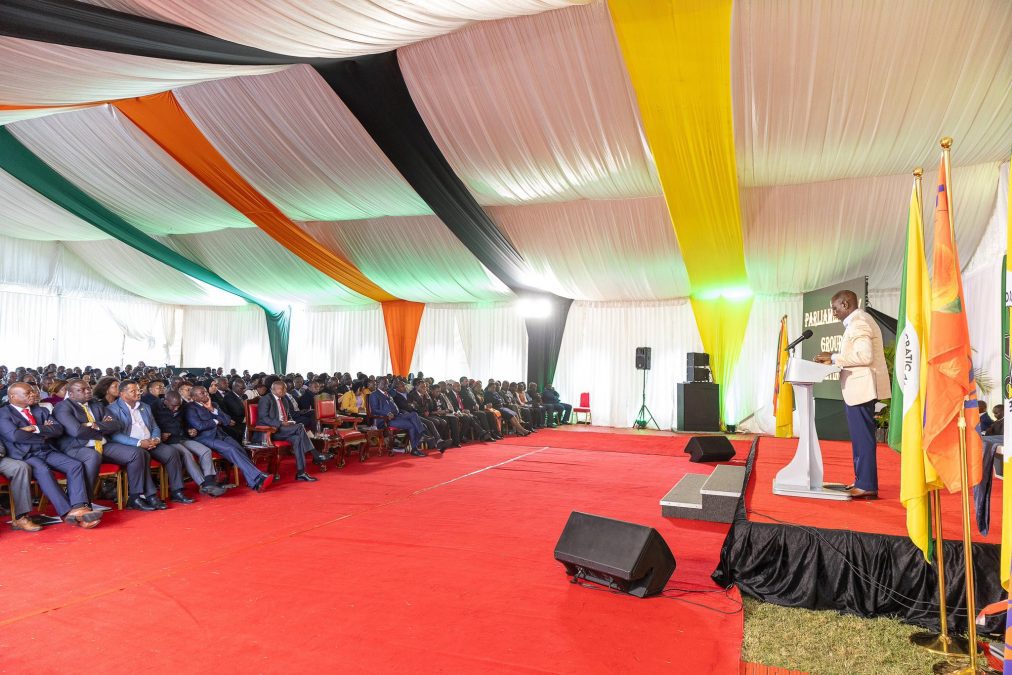
Come 2027, the electorate must treat this Parliament with the same disdain it has shown them. No amount of development promises, handouts, or belated apologies should shield them from the ballot’s wrath. Kenyans must remember not just who voted for what, but who stayed silent when it mattered. Silence, after all, is complicity.
Moreover, the fight against graft, a promise paraded during campaigns and promptly abandoned, is not merely a war against theft, but a battle for dignity.
It is about restoring faith in governance, and that cannot happen with the same architects of impunity still in office. Accountability must go beyond rhetoric and reach the roots, and that includes elected officials who have shielded corruption through omission or blind loyalty.
MPs are now tasting the bitterness of their own medicine: public distrust, public anger, and public action. And it is only the beginning. If anything, this moment should serve as a warning to current and aspiring politicians: the Kenyan voter has evolved.