Advertisement
Is Kenya ready for Maraga-Omtatah presidency?
26th July, 2025 08:32 AM

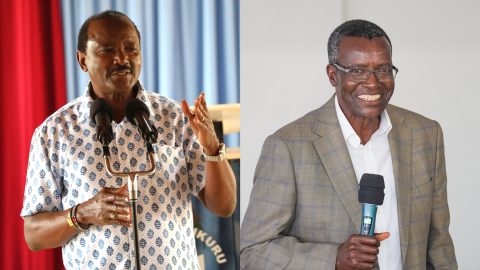
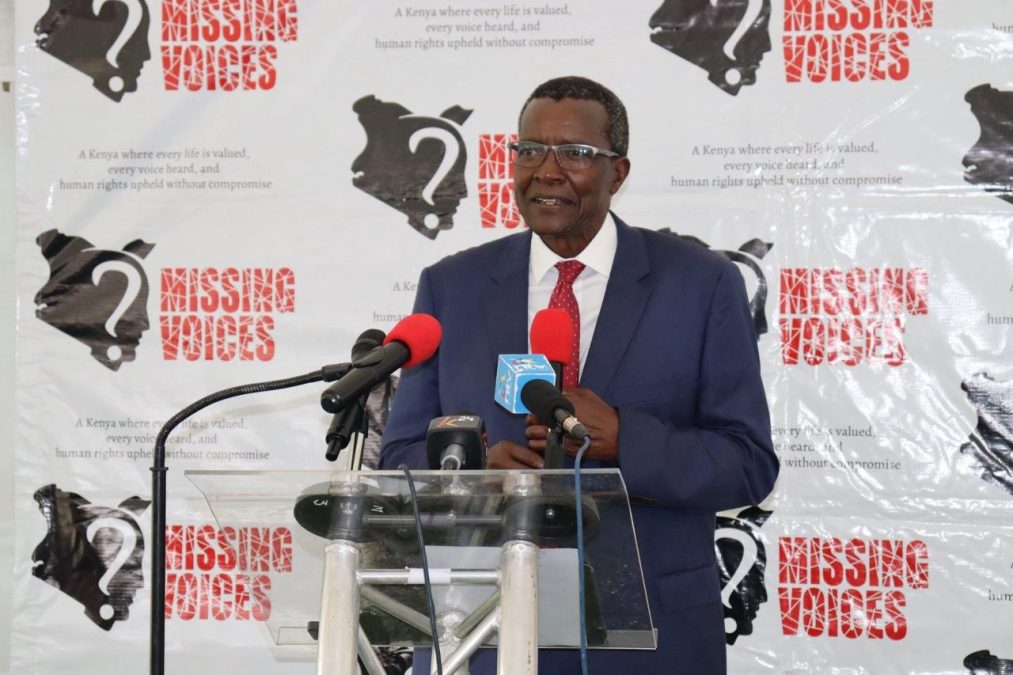
Former Chief Justice David Maraga and Busia Senator Okiya Omtatah have stepped forward to offer a different and alternative kind of leadership, one that seems to depart from the type of governance Kenyans have been used to.
Their approach, as they have publicly put it out, is rooted in integrity, the rule of law, and service to the people, just as many Kenyans would have wished to be ruled. But looking at how things are shaping up, it’s clear that Kenyans are not ready for such leadership.
If elections were held today, there’s a high chance that voters would still elect the same politicians they’ve always chosen, despite ongoing public frustration.
Online endorsement
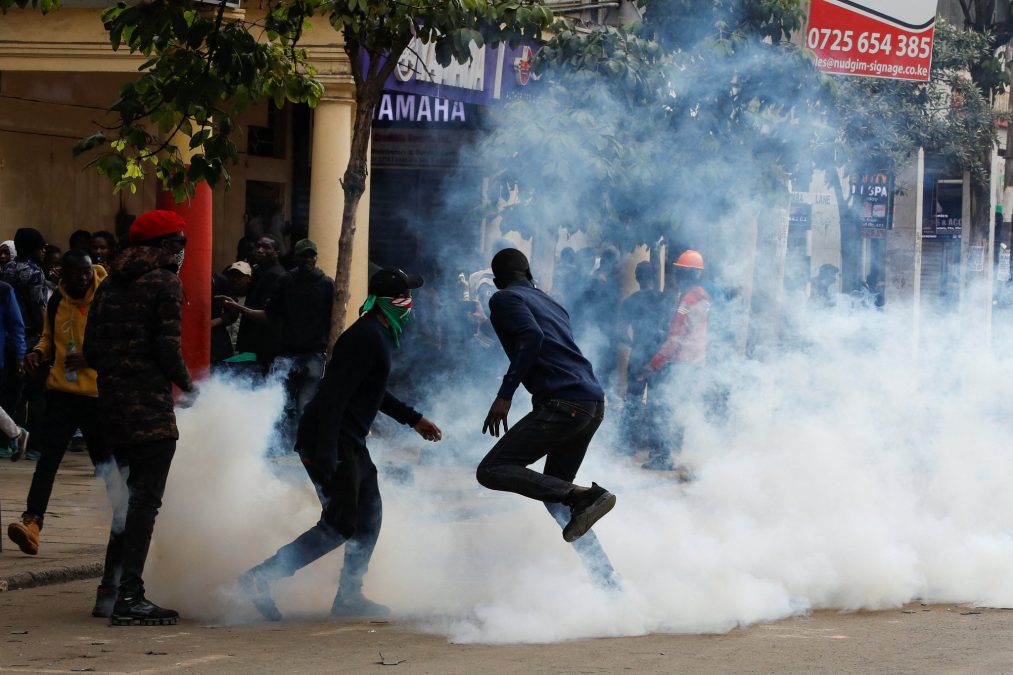
If the 2027 elections had taken place during the peak of the 2024 Gen Z protests, things might have been different.
At that time, the youth spoke with one voice. There was a strong sense of urgency and hunger for change.
Many Kenyans, especially young people, endorsed Maraga and Omtatah, saying they represented a different path. Some even suggested the two should run together, one as president, the other as running mate, because together, they could easily win. At that point, they had become the people’s favourites.
That online momentum even pushed Maraga out of retirement. After keeping a low profile for years, he declared his intention to run for president, promising a leadership guided by the rule of law, something he said was currently lacking.
A few months later, Omtatah also announced his interest in the presidency. He formed a team to gather public views on whether he should go for the top seat.
But the excitement didn’t last. As soon as the two declared their interest in running, the mood shifted.
Kenyans who had earlier cheered them on began doubting their chances. Talk started spreading about how it was “impossible” for them to win. It became clear that many weren’t actually serious about backing them.
Despite all the noise about wanting change, most Kenyans weren’t ready for the kind of leadership these two were offering.
Tribalism still runs
The truth is that politics in Kenya is still organised along tribal lines. Many people prefer to vote for someone from their ethnic group, regardless of their track record. Both Maraga and Omtatah come from small communities, and that puts them at a disadvantage. In this country, for someone to become president, they almost always need the backing of one of the larger tribes. The big question remains: will people from the dominant communities vote for them?
Saboti MP Caleb Amisi said recently that if Kenyans were really serious about Maraga becoming president, they would already be helping him campaign or raising money for him. But that hasn’t happened.
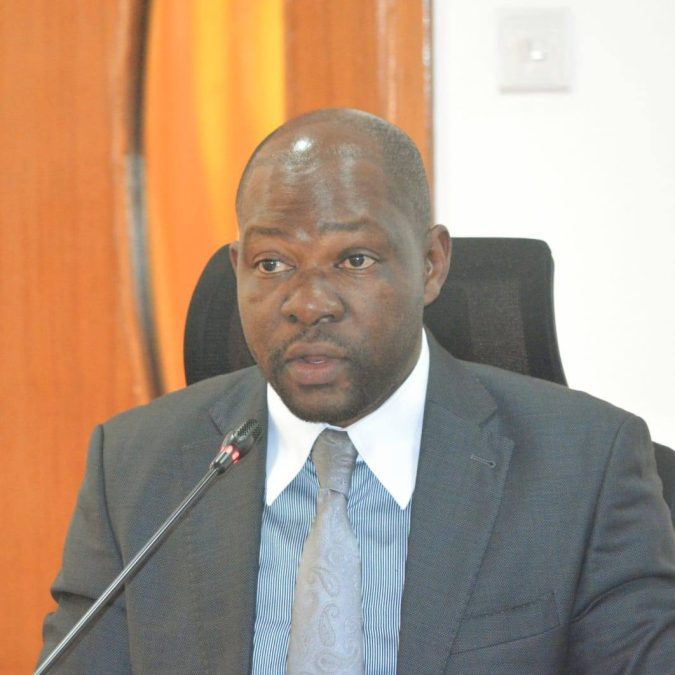
Instead, most people are now saying that it’s unrealistic for Maraga or Omtatah to win. The same people who were demanding change have gone quiet.
Money factor
Another problem is how many Kenyans believe that a serious presidential candidate must be rich. People expect to see a show of power: big fundraisers, helicopters, long convoys, and expensive cars. But Maraga lives a quiet life on his pension. Omtatah still drives a modest Nissan AD.
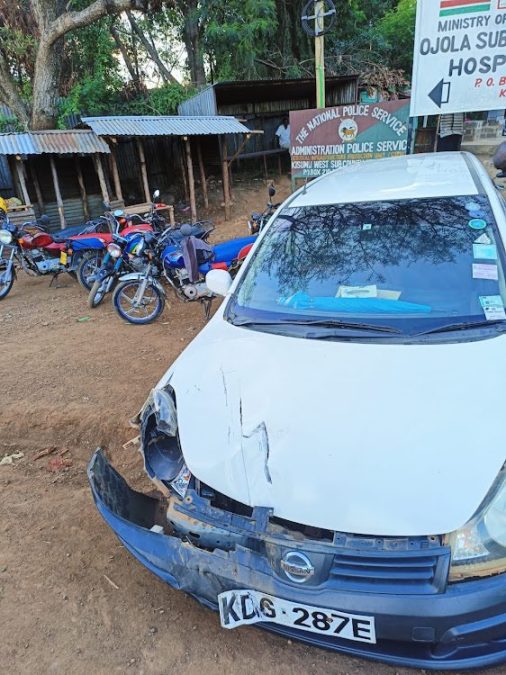
Last year, he was even involved in a road accident while driving it himself. In a country where people are used to seeing politicians flying around in helicopters, it’s hard for someone like Omtatah to be taken seriously when he shows up alone in an old car.
Now imagine President Ruto landing in the same area with seven helicopters, a long convoy of top-of-the-line vehicles, and a heavy police escort. People will definitely rush to see him, hoping to get something small. Will they stick around to listen to Omtatah’s message? That’s the reality we live in.
Maraga and Omtatah are asking to be judged based on what they’ve done and what they stand for. But in Kenya, people don’t vote based on ideas or principles. They vote based on tribe, money, and popularity.
That’s why it’s so hard for new types of leaders to break through. People are more interested in where a leader comes from and how much money he can dish out than in what plans he has for the country.
Threat to political establishment
The two leaders’ promise to uphold the rule of law is also seen as a threat by many in the political class.
Legacy politicians, some of whom have skeletons in their closets, know that if Maraga or Omtatah comes to power, they might be exposed. So they will do everything possible to block such leaders. They’ll unite and mobilise their networks to make sure people like Maraga and Omtatah don’t make it anywhere close to State House.
Is Kenya ready?
All things considered, it’s clear that Kenya is not yet ready for a Maraga-Omtatah kind of leadership.
The country says it wants change, but when that change shows up, people retreat to their old habits, tribal loyalty, flashy campaigns, and handouts.
Until that mindset shifts, leaders who stand for integrity and justice will continue to be sidelined.