Advertisement
Why more young people are moving back home after living alone
12th May, 2026 11:04 AM

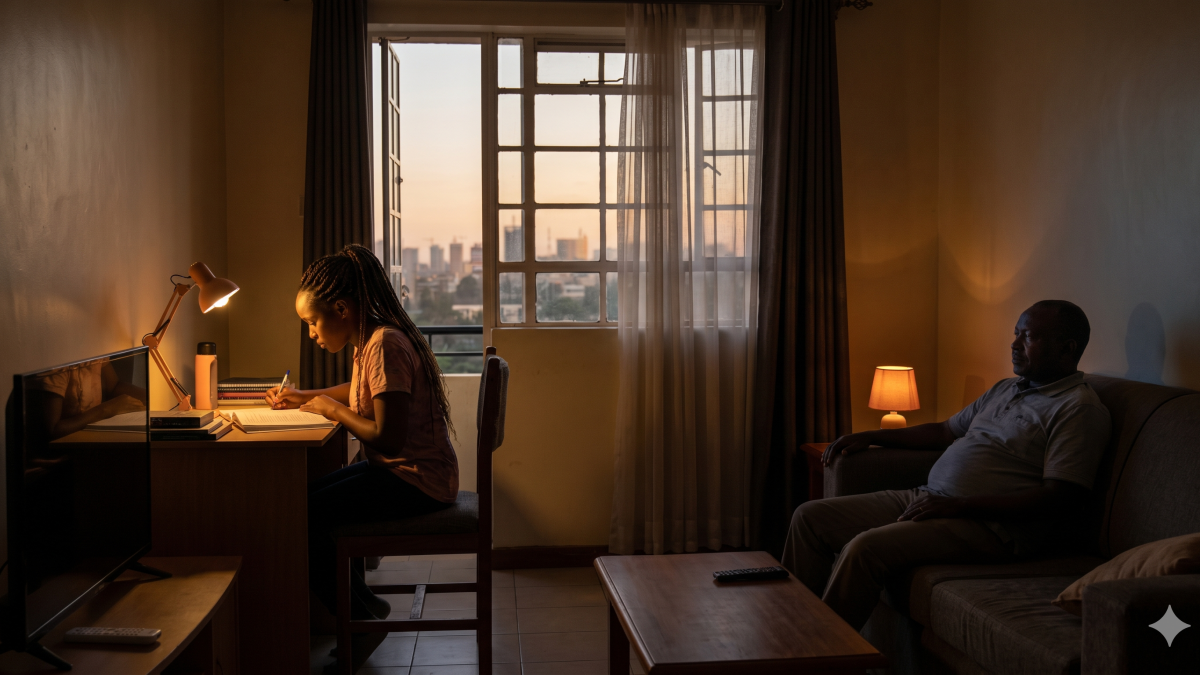
Living alone is often seen as a major milestone in adulthood. It represents freedom, independence, and the excitement of creating a personal space. But for many young people today, that chapter is becoming shorter than expected, with a growing number choosing to move back home after living on their own.
What was once viewed as a step backwards is now increasingly seen as a practical lifestyle decision shaped by financial realities, emotional well-being, and changing social attitudes.

Rising cost of living
One of the biggest reasons behind this trend is the rising cost of independent living. According to housing and affordability studies by the Organisation for Economic Co-operation and Development, rent and household expenses have continued to rise in many urban areas, making it harder for young adults to comfortably sustain life on a single income.
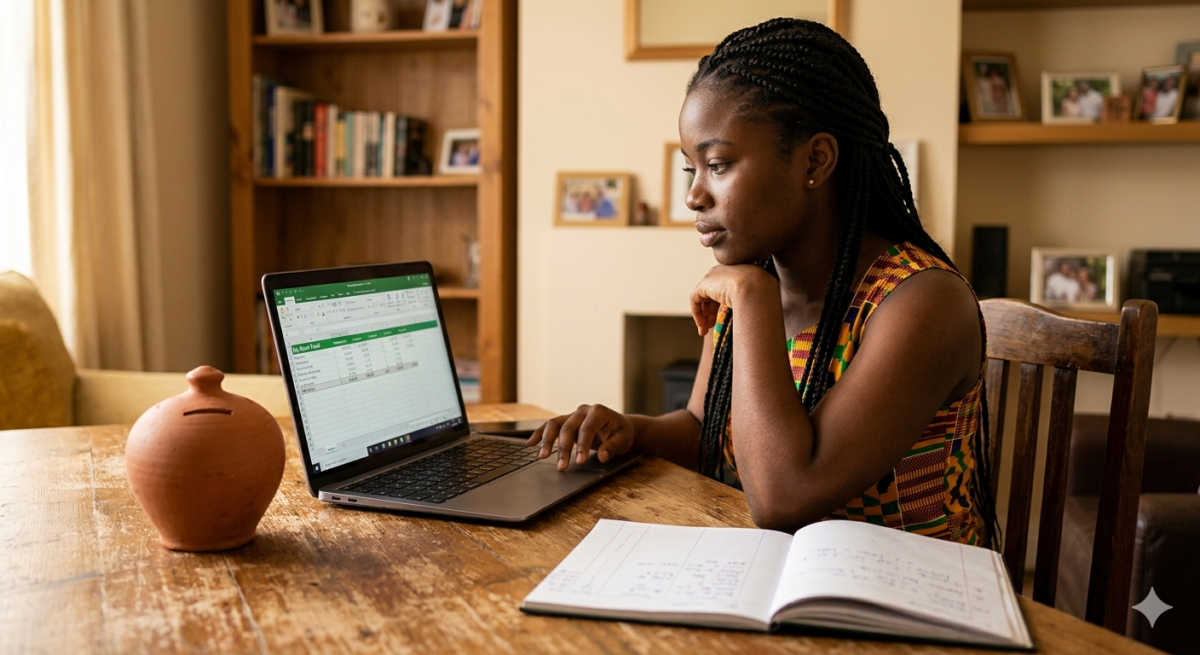
For many, monthly earnings are quickly swallowed by rent, electricity, internet, transport, and groceries, leaving little room for savings or unexpected expenses. Moving back home offers breathing space and allows young adults to redirect money toward building savings, paying off debts, or investing in plans such as education or business opportunities.
The emotional weight of living alone
While living alone can be empowering, it can also bring emotional challenges. Research highlighted by the World Health Organisation shows that social isolation and loneliness can affect mental well-being, particularly among young adults navigating major life transitions.
After the excitement of independence fades, many begin to feel the pressure of handling every responsibility alone. From paying bills to managing daily stress without immediate support, solo living can sometimes feel overwhelming.
Moving back home often restores a sense of emotional balance. Shared meals, familiar routines, and daily conversations with family can provide comfort and reduce feelings of isolation, creating an environment that supports mental wellness.
Redefining independence
Social researchers from the Pew Research Center have noted that young adults are increasingly redefining what independence looks like.
Instead of measuring success by how quickly they move out, many are focusing on long-term stability. Moving back home is no longer automatically seen as a failure. For many, it is a strategic decision that allows them to reset financially and emotionally while preparing for the future.
This shift reflects a broader understanding that adulthood is not a race with one fixed timeline. Different circumstances require different choices.
A practical step forward
For some young people, moving back home is a temporary chance to regroup before taking the next step. For others, it becomes a way to create a healthier balance between personal growth and financial responsibility.
The decision reflects changing times and modern challenges. In many cases, moving back home is less about giving up independence and more about making thoughtful choices for a stronger future.