Advertisement
Muscle memory: How the body learns and why it never fully forgets
24th June, 2026 09:40 PM
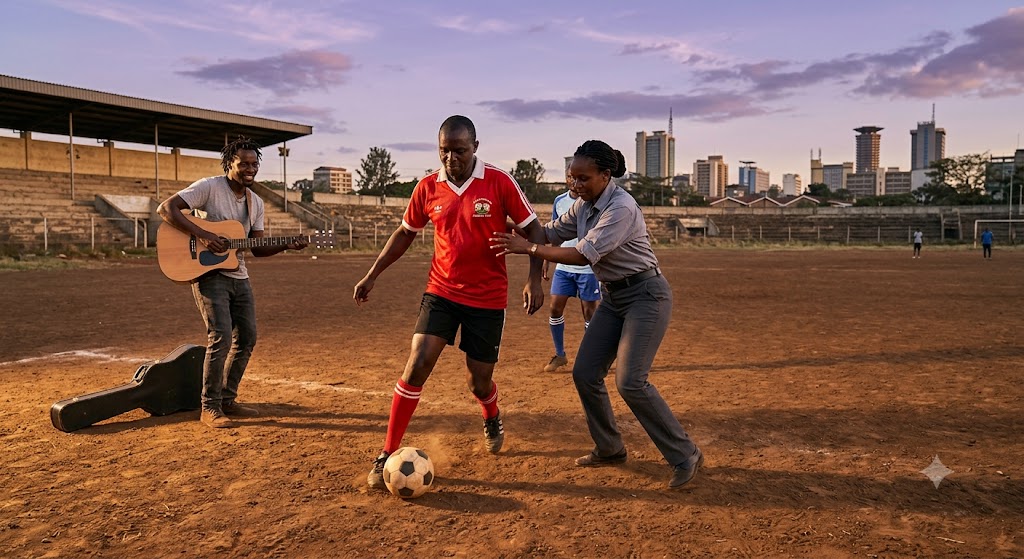
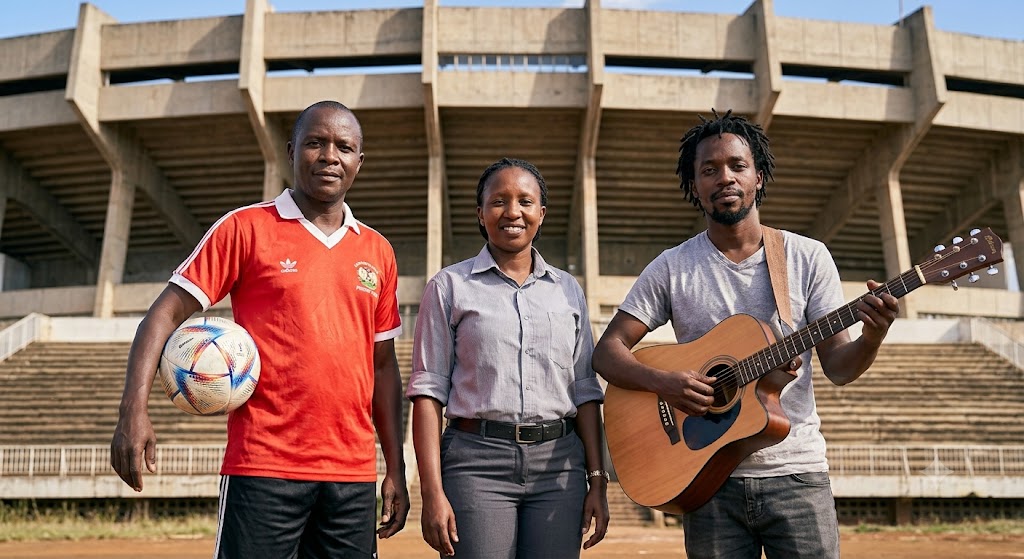
If you used to play football for a local club or play an instrument back in school, you might think those skills vanished during your years behind an office desk. But the moment you pick up a ball or a guitar again, your body somehow remembers exactly what to do.
Your feet still know how to control a pass, and your fingers find the chords without you even looking. This is what we call muscle memory, and it’s a fascinating biological feature that keeps your old skills alive.
What happens inside your muscle fibres
When you train a muscle, it undergoes a permanent change at the cellular level. Your muscle fibres bring in new control centres, known as myonuclei, to help handle the physical work.
Even when you stop training and your muscles shrink from disuse, these tiny control centres do not disappear.
A peer-reviewed study published in the Proceedings of the National Academy of Sciences found that “new myonuclei are added before any major increase in size during overload” and are completely retained during long periods of inactivity.
Because these cells stay inside your muscle fibres, you always have a hidden foundation waiting for you. This is why a footballer returning from a long injury or an adult picking up an old hobby can rebuild their strength much faster than a beginner.
Your muscles simply do not have to start from scratch.
How the brain resets your old skills
While your muscles hold the physical blueprint, your brain manages the actual coordination. When you first learn a physical skill during childhood or youth, your brain creates dedicated paths to store that movement in your long-term memory.
When you return to that activity after years away, a mechanism called motor memory reconsolidation takes place. Reopening an old memory path makes it briefly flexible, allowing your brain to update it with your current physical strength.
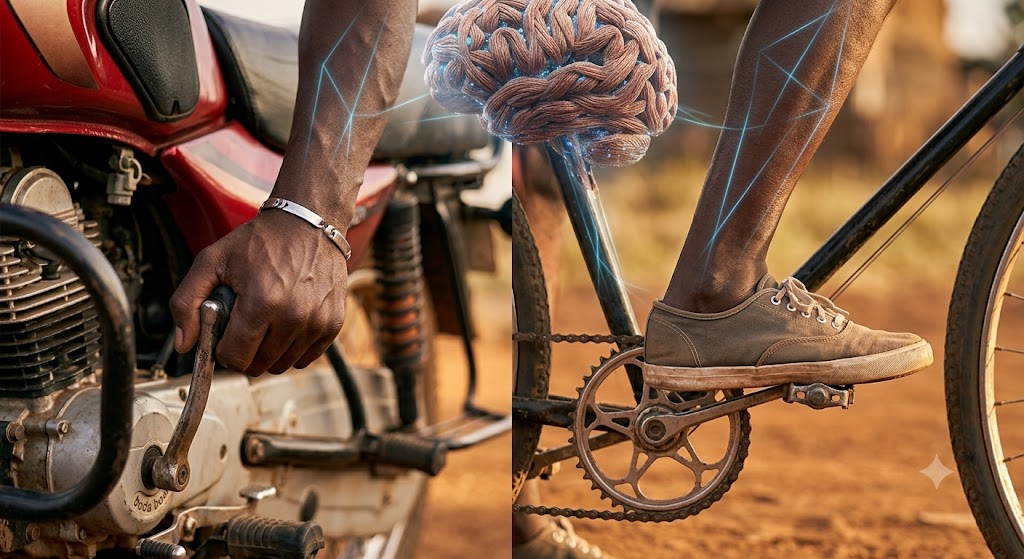
Researchers tracking this brain function note that “the nervous system has the capacity to form multiple long-term motor memories, for example we apparently never forget how to swim, ride a bicycle or drive a car.”
Your first few minutes back on the pitch or playing an instrument might feel a bit shaky, but your brain quickly recalibrates, restoring your old rhythm within a matter of days.