Advertisement
Why more people are struggling with acne, sensitive skin, and eczema
05th May, 2026 12:04 PM
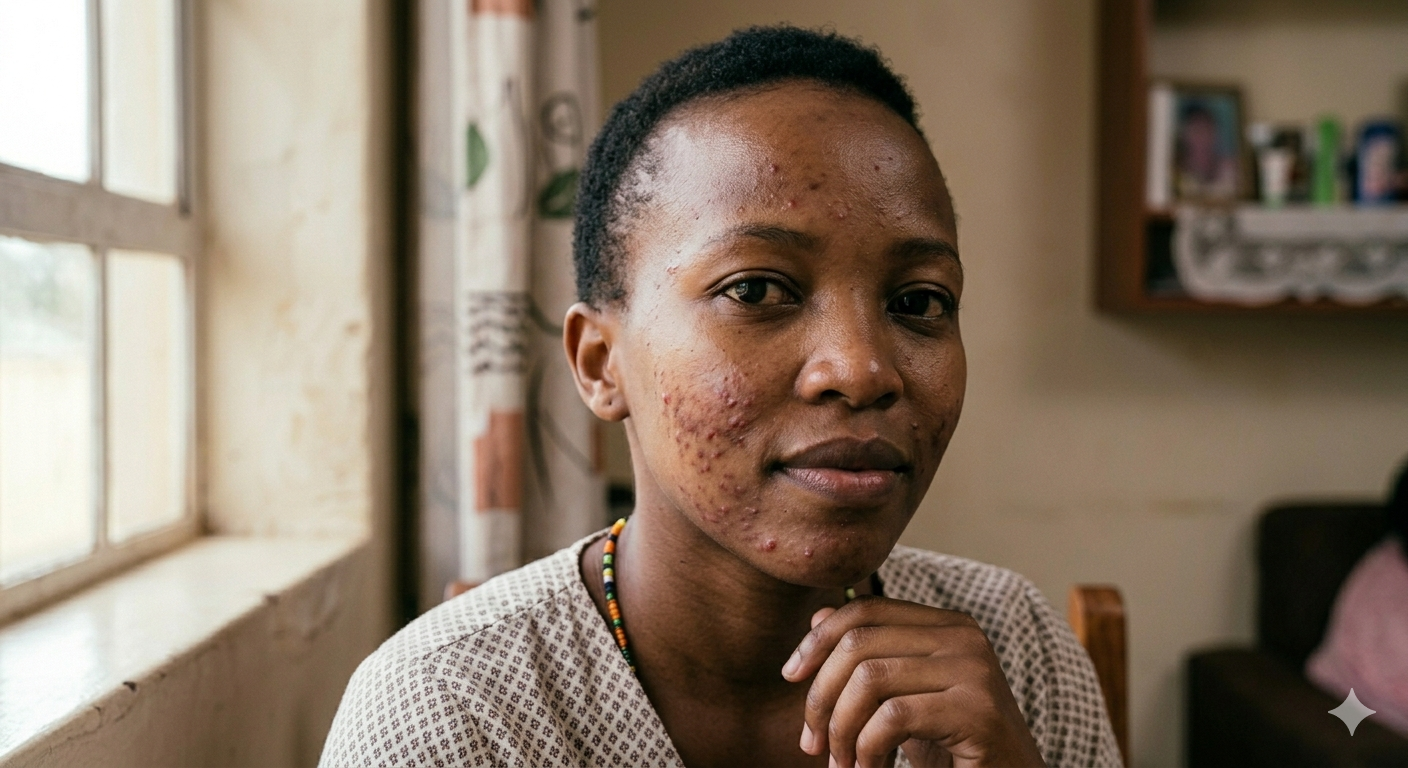
Skin concerns that were once considered occasional or limited to teenage years are now becoming a reality for many people. Acne, sensitive skin, and eczema are no longer isolated issues; they are showing up across different age groups, lifestyles, and environments, raising questions about what has changed.
A mix of modern lifestyle habits and environmental factors as key contributor. One of the biggest shifts is how people live day-to-day. Urban living, for instance, exposes the skin to higher levels of pollution. According to research reviewed by Medical News Today, people exposed to higher levels of pollution are more likely to develop eczema symptoms, with cases rising significantly in urban populations. Dust, smoke, and chemicals in the air can block pores, irritate the skin barrier, and trigger flare-ups, especially for those already prone to sensitivity.
At the same time, skincare routines have become more complex. While access to beauty products has improved, many people are now layering multiple products without fully understanding how they interact. Over-exfoliating, mixing active ingredients, or using harsh products can weaken the skin’s natural barrier. Once this barrier is compromised, the skin becomes more reactive, leading to redness, breakouts, or conditions like eczema.
Dermatologists also pointed out that diet plays a role, though it is often ignored. Highly processed foods, excess sugar, and dairy have been linked in some cases to inflammation in the body, which can reflect on the skin. Combined with irregular eating patterns and low water intake, the skin may struggle to maintain balance.
Stress is another factor that cannot be ignored. With increasing pressure from work, school, and social life, many people are dealing with chronic stress. This affects hormone levels, which in turn can trigger acne breakouts or worsen existing skin conditions. For people with eczema, stress is a known trigger for flare-ups, making management more difficult.
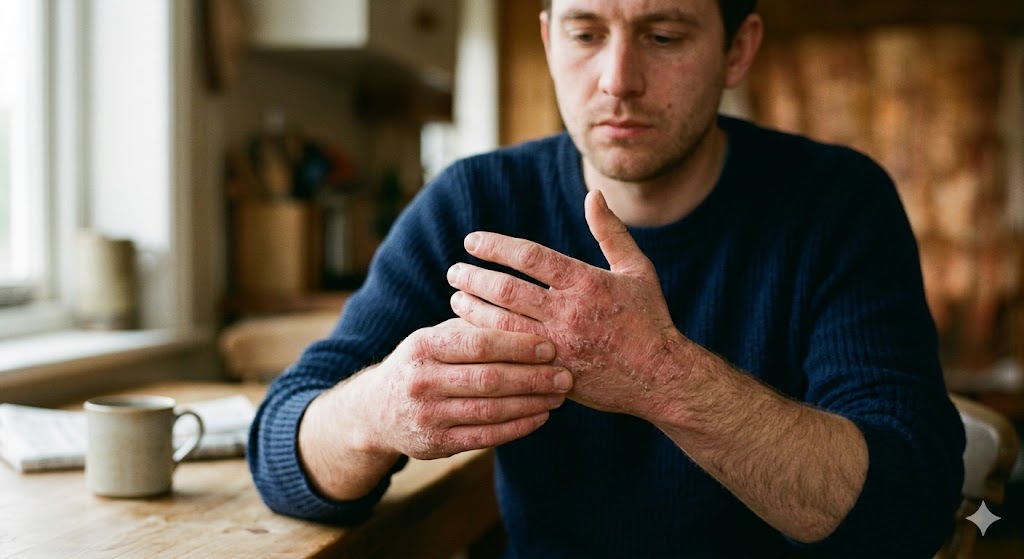
Climate change is also having an impact. Fluctuating weather patterns or conditions ranging from extreme heat to cold and dry conditions can destroy the skin’s ability to retain moisture. This often leads to dryness, irritation, and increased sensitivity. In regions where temperatures shift unpredictably, the skin is constantly trying to adapt, sometimes unsuccessfully.
Another growing concern is the misuse of skincare trends spread through social media. While some advice is helpful, not all trending routines are suitable for everyone. People often try products based on popularity rather than their skin type, leading to adverse reactions. What works for one person may not work for another, especially when underlying skin conditions are involved.
Despite these challenges, experts emphasize that managing skin health does not require complicated solutions. A simple, consistent routine, gentle cleansing, proper moisturizing, and sun protection can go a long way. It is also important to pay attention to how the skin reacts and avoid frequent switching of products.
For those dealing with persistent acne, sensitivity, or eczema, seeking professional advice is recommended. Early guidance can prevent worsening of symptoms and help identify triggers specific to an individual.
As skin issues continue to rise, the focus is slowly shifting from quick fixes to long-term care. Understanding the causes and your own skin may be the most effective step toward healthier, more balanced skin.