Advertisement
Why Kenyans are still buying skin-lightening creams despite bans and risks
05th May, 2026 02:10 PM
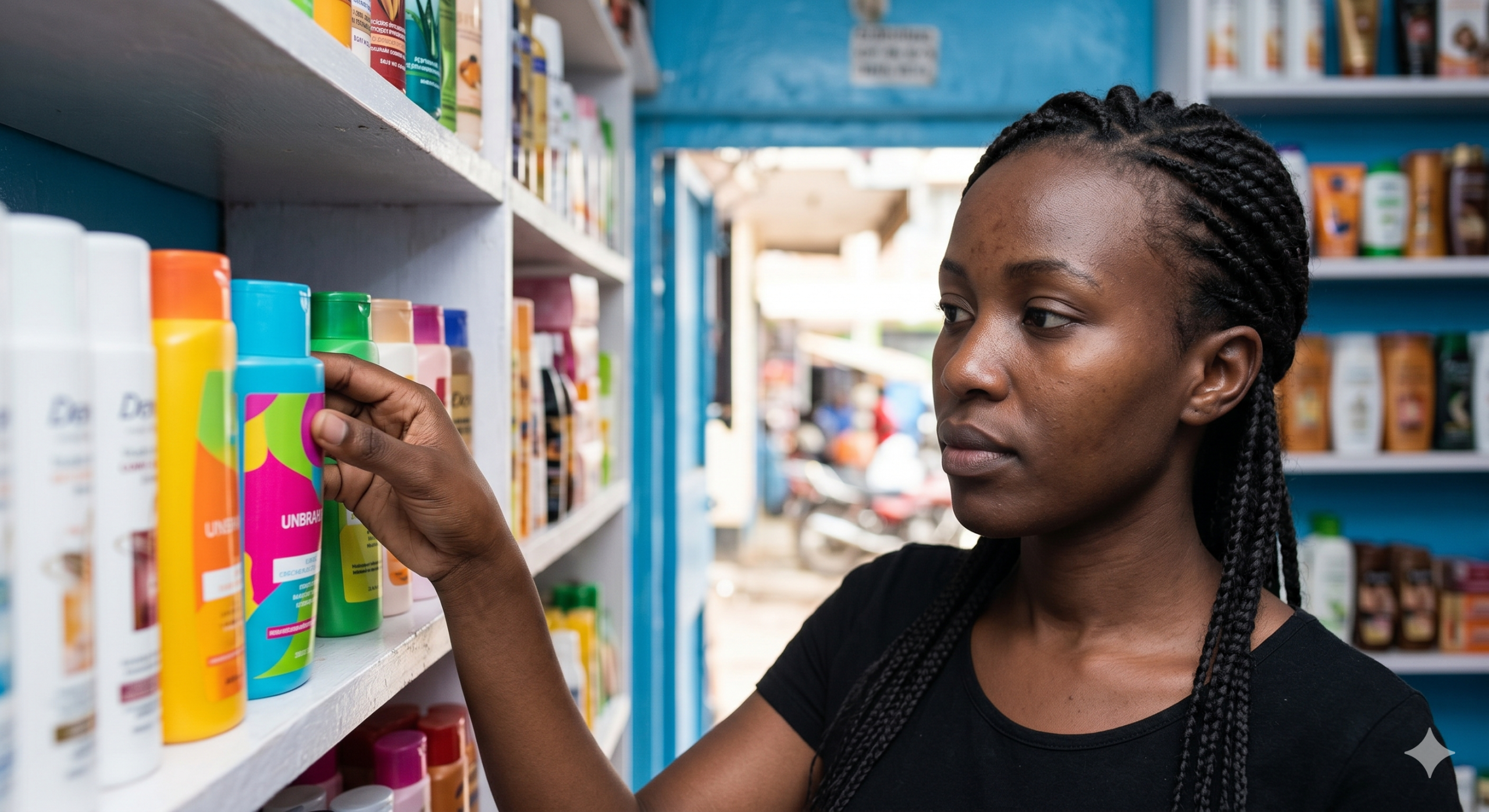
Walk through any beauty shop in Nairobi, and the shelves tell the same story: creams, soaps, and serums all promising a brighter, lighter, more “glowing” you.
The packaging is cheerful. The prices range from Ksh200 to Ksh3,000. And the demand, by all evidence, is not slowing down.
Hydroquinone (one of the most common active ingredients in skin-lightening products) was banned in Kenya in 1998 from over-the-counter cosmetics.
Yet the products remain widely available, sold openly in supermarkets, pharmacies, and roadside stalls.
A 2021 international review published in Skin Health and Disease (PMC) found that despite regulatory bans across Africa, people continue to obtain lightening products from street vendors and cosmetic shops, often without any medical guidance.
So what is keeping the industry alive?
The pressure behind the purchase
A 2025 peer-reviewed study on skin lightening in Kenya identified a familiar mix of motivators: “peer pressure, social media influence, and perceived socioeconomic benefits” – with users largely unaware of the health risks they were quietly taking on.

Separately, research published in the Journal of the European Academy of Dermatology and Venereology found that in East Africa, 38.7 per cent of people using skin-lightening products do so simply because they prefer a lighter skin colour, with no underlying skin condition.
Just a beauty preference shaped by years of colourism.
Social media has accelerated this. Filters, influencer culture, and the persistent association of light skin with attractiveness and opportunity have made the pressure difficult to escape, particularly for young people.
What the products are doing to your skin
The health picture is troubling.
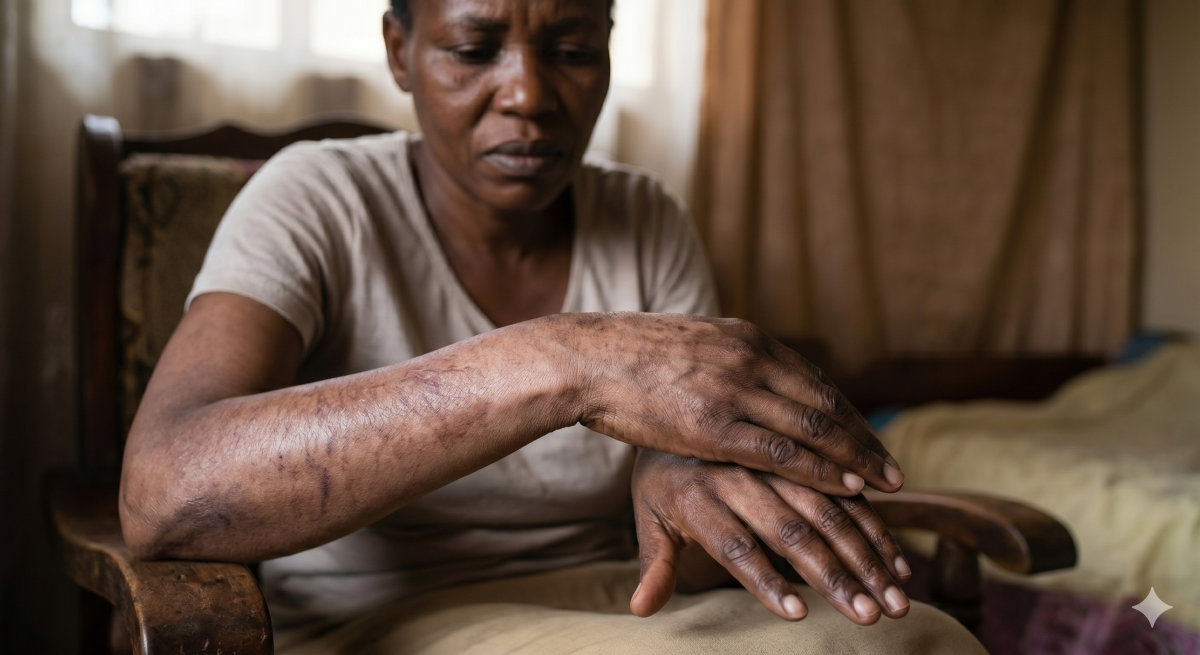
Mercury, a common ingredient in unregulated lightening products, has been linked to kidney damage, neurological problems, and skin rashes.
For women of childbearing age, there is an added concern: research shows mercury can pass from mother to foetus, with potential consequences for the child’s neurological and kidney development.
Steroids, another frequent ingredient, thin the skin over time, leaving it prone to bruising, stretch marks, and a reduced ability to fight infections.