Advertisement
Why it’s nearly impossible to get help after being conned in Luthuli Avenue
04th May, 2026 01:05 AM

Luthuli Avenue in Nairobi is widely known as one of the busiest electronics hubs in the city.
However, beneath the constant flow of buyers and sellers, there are recurring complaints from victims who allege sophisticated fraud tactics when purchasing electronics such as televisions, phones, and accessories.
What makes recovery or official help extremely difficult is not just the transaction itself, but the structured way in which the process is carried out.
Cash withdrawal separation
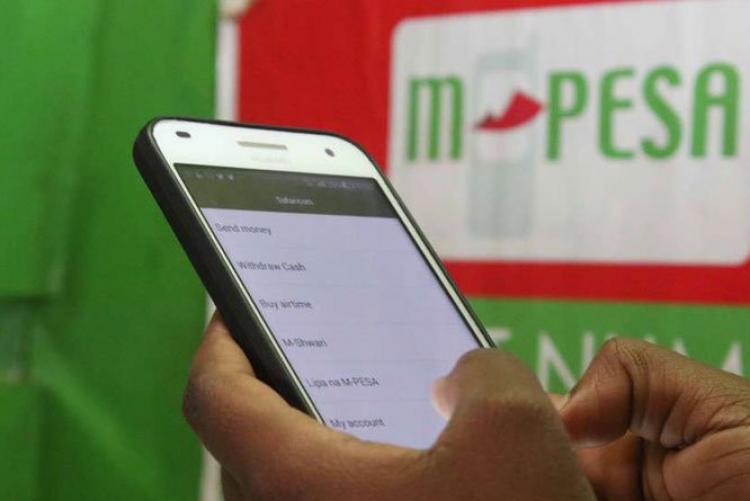
One of the key challenges reported by victims is how payments are handled. In many cases, buyers are directed to withdraw money through a M-Pesa agent who is not physically located within the shop.
This creates a deliberate separation between the seller and the financial transaction point.
Once cash is withdrawn and handed over, tracing responsibility becomes difficult, especially when different individuals handle different stages of the deal.
Identity documentation pressure
In some cases, buyers are asked to present their national identification card during the transaction.
While this may appear normal in legitimate trade settings, in disputed situations it complicates recovery efforts.
The presence of ID details can be used to argue that the buyer willingly entered into the agreement, making it harder to claim fraud through formal channels such as mobile money providers or even police reports.
No official receipts issued
Another common concern is the absence of official receipts. Buyers often report that no receipt is issued at the point of payment.
Instead, additional conditions are introduced after payment, such as claims that the device requires a special activation card or accessory to function.
This can significantly increase the final cost, sometimes far beyond the original budget, leaving the buyer with limited proof of the initial agreement.
Layered transaction roles
A further complication lies in how roles are separated. The person who attracts the buyer may not be the same individual who receives payment or the one who introduces additional requirements after purchase.

This separation of responsibilities creates confusion and weakens any single point of accountability.
As a result, even when complaints are raised, it becomes difficult to identify a clear respondent.
Lack of witnesses and accountability
In many cases, transactions are conducted quickly and without independent witnesses.
Because different individuals handle different parts of the process, there is rarely a single person who can fully account for the entire interaction.
This fragmentation makes it difficult for victims to build a consistent case when seeking help from authorities or service providers.
Ultimately, the difficulty in getting assistance in such situations is linked to the structured nature of the transactions, where documentation is minimal, responsibilities are divided, and proof is limited.