Advertisement
Where most Kenyans go wrong in flagship phones’ superiority debate
04th May, 2026 02:53 PM
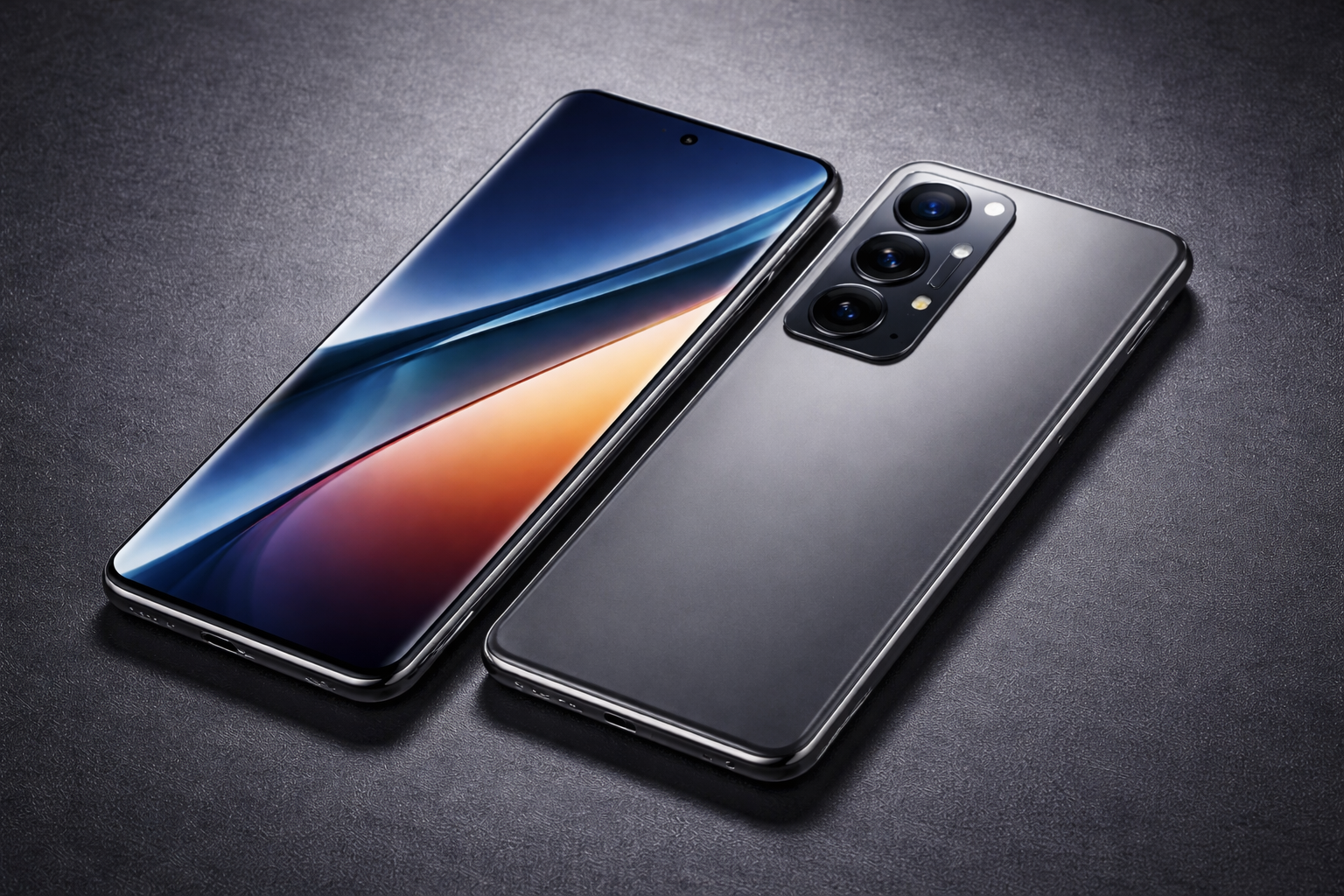
Start a conversation about flagship smartphones in Kenya and it quickly turns into a contest of big words.
Someone mentions Snapdragon Gen 8, another responds with Bionic, then someone throws in camera zoom numbers or battery sizes.
It sounds technical, almost convincing. But if you strip it down, most of these arguments are built on assumptions rather than real use.
That is the gap many people don’t notice.
Specs vs everyday use
On paper, a flagship with a 5000mAh silicon-based battery, ultra-fast charging, and a high-end chipset looks like the obvious winner. Bigger battery, more power, more features. Simple, right?
Another device with a smaller battery and a tightly optimised chipset can feel smoother and more stable in daily use.
Apps open consistently, performance does not fluctuate, and the phone ages more gracefully over time. So while one wins on raw numbers, the other wins on experience.
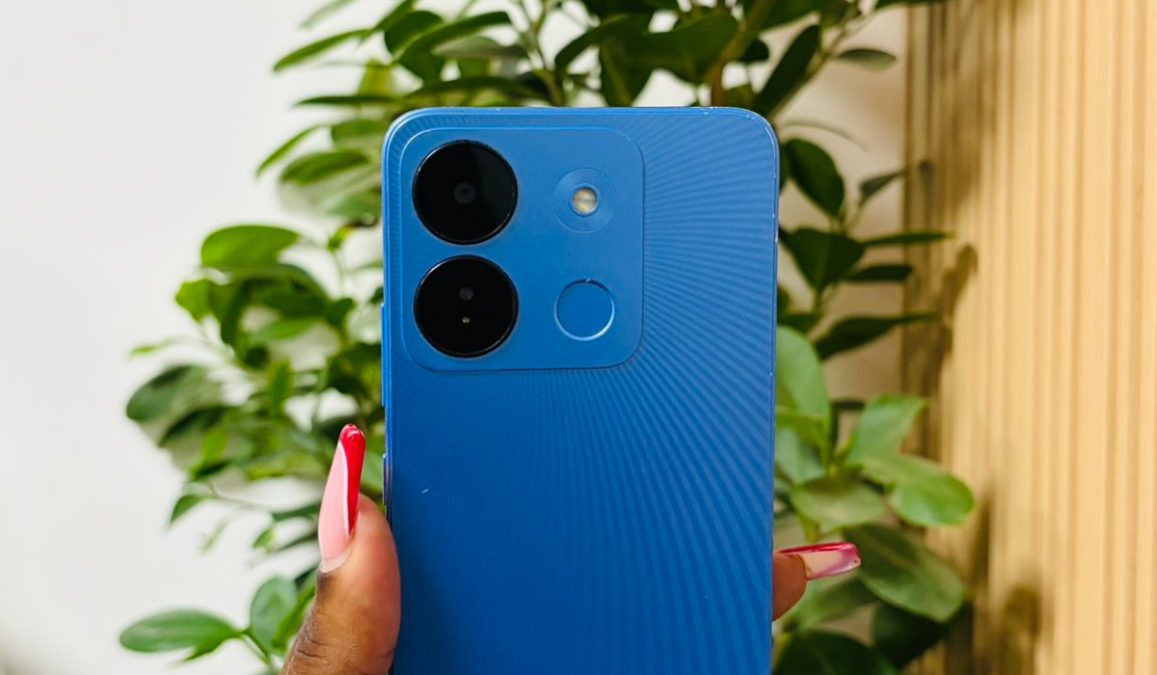
This is where the debate often goes wrong. Specs are treated as the full story, yet they are only part of it.
The zoom illusion
Camera debates are even more misleading. You will hear about 50x or 100x zoom, as if that alone defines a great camera.
In reality, most people rarely use extreme zoom.
Daily photography is about quick snaps, clear selfies, short videos, and moments that happen fast.
In those situations, things like image processing, colour balance, and video stability matter far more than how far you can zoom into a distant object.
So a device can “win” on zoom, yet offer little advantage in everyday use.
Power vs efficiency
Chipsets like Snapdragon Gen 8 and Bionic are often compared like rivals in a race. One may push higher raw performance, while the other focuses on efficiency and consistency.

In real life, both are already more powerful than what most users need. The difference shows up in how that power is managed.
One may give you flexibility and peak performance, while the other delivers steady, predictable behaviour over long periods.
Again, it is not about one being superior. It is about how the power is used.
The battery trade-off
Battery is another area where assumptions take over. A larger silicon-carbon battery sounds like an automatic win. And yes, capacity matters.
But battery life is not just size. It is also about optimisation, background processes, and how the system manages power.
A device with a slightly smaller battery but better efficiency can easily match or even outlast a bigger one in real usage.
At the same time, some devices prioritise fast charging over long endurance. Others do the opposite. It is always a balance.
The real mistake
The biggest mistake is trying to crown one flagship as universally better.
People compare features in isolation. Bigger battery versus better zoom. Faster chip versus smoother experience. But a phone is not one feature. It is how everything works together.
A device might give you a powerful zoom lens you barely use, while another sacrifices that zoom to improve battery or stability, which you notice every day.
What actually matters
The smarter way to look at it is simple. Match the phone to your lifestyle.
If you care about long battery life, fast charging, and flexibility, then hardware-heavy setups will feel more useful.
If you prefer consistency, smooth performance, and less need to adjust settings, then optimisation-focused systems make more sense.
Both approaches are valid. Both come with trade-offs.
A quieter conclusion
There is no single flagship that wins everything. Not on battery, not on performance, not on camera, not on daily experience.
The debate continues because people argue from specs, not from usage.
And that is where most Kenyans go wrong.
The better choice is not the one that sounds more powerful in conversation.
It is the one that quietly fits into your daily routine and delivers what you actually use, not what you think you might need.