Advertisement
What is Maulid in Islam and why it is not national holiday in Kenya
25th August, 2026 02:49 PM
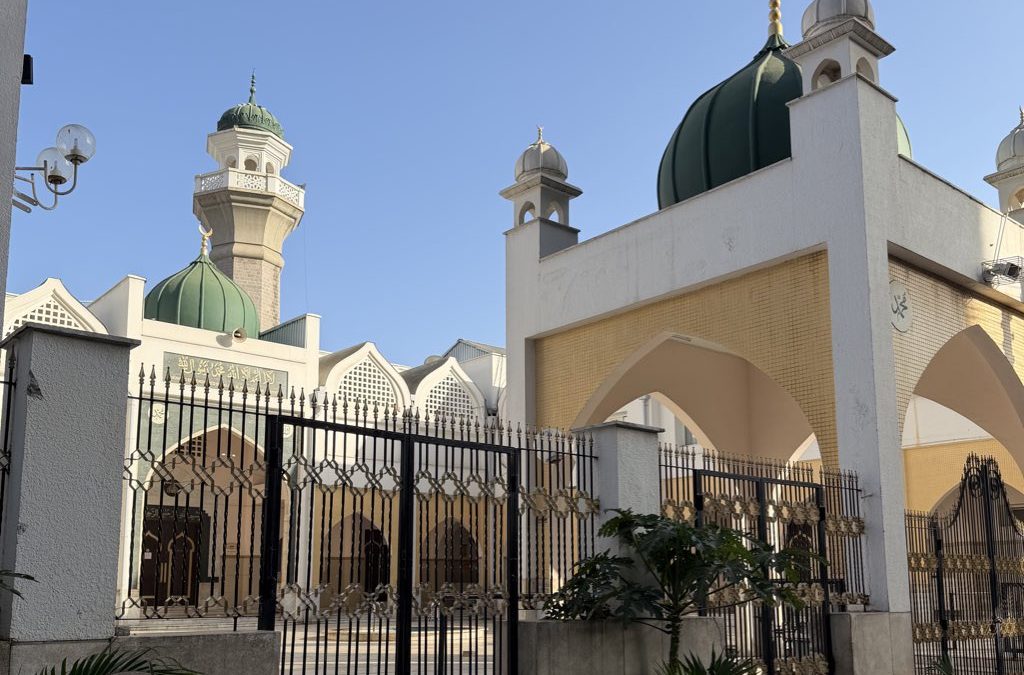
Muslims around the world are marking Maulid, an occasion that commemorates the birth of Prophet Muhammad (S.A.W.).
In Kenya, Maulid is being observed on Tuesday, August 25, 2026, corresponding to 12 Rabi’ al-Awwal 1448 AH.
However, the date of Maulid can differ by a day depending on local moon sighting and the Islamic calendar method. For instance, Jamia Mosque Nairobi’s calendar lists Wednesday, August 26, while other Kenya-specific calendars list August 25,2026.
But while Maulid is observed by many Muslims through prayers, religious gatherings, sermons and other activities, the occasion is not a national public holiday in Kenya.
What is Maulid?
Maulid, also known as Mawlid al-Nabi, is the commemoration of the birth of Prophet Muhammad (S.A.W), the founder and final prophet of Islam.
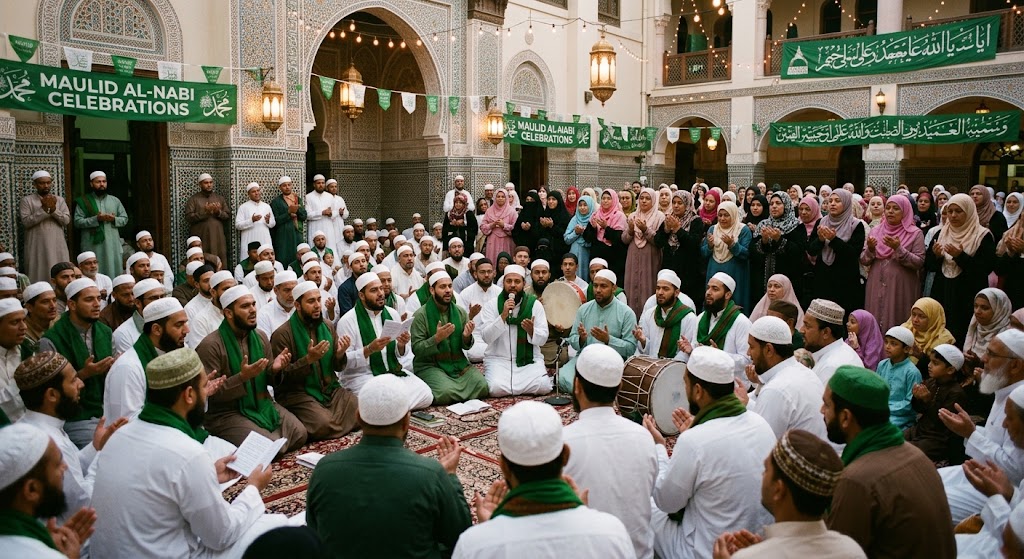
The occasion is observed by Muslims in different ways depending on their traditions and interpretations. Some communities organise religious gatherings, recite prayers and poems, listen to sermons about the Prophet’s life and teachings, and share food with family and members of the community.
The date of Maulid follows the Islamic lunar calendar and therefore changes each year on the Gregorian calendar.
Why is Maulid not a public holiday in Kenya?
Kenya’s public holidays are governed by the Public Holidays Act, which sets out the days recognised as public holidays in the country.
The law recognises Islamic holidays, including Idd-ul-Fitr and Idd-ul-Azha (Eid al-Adha), whose dates depend on the Islamic lunar calendar. However, Maulid is not listed among Kenya’s statutory public holidays.
This means that although many Kenyan Muslims observe Maulid as an important religious occasion, it does not automatically result in a nationwide day off from work or school.
Kenya’s official public holiday framework therefore distinguishes between religious occasions that are specifically recognised in law and other religious observances that are not statutory public holidays.
How Maulid is observed
For Muslims who mark the occasion, Maulid can be an opportunity to reflect on Prophet Muhammad’s life, character and teachings.
The observance is also associated with messages of peace, compassion, unity, generosity and care for others.
However, it is important to note that not all Muslims observe Maulid, as there are different Islamic views and traditions regarding the commemoration.
How Maulid is observed in Tanzania
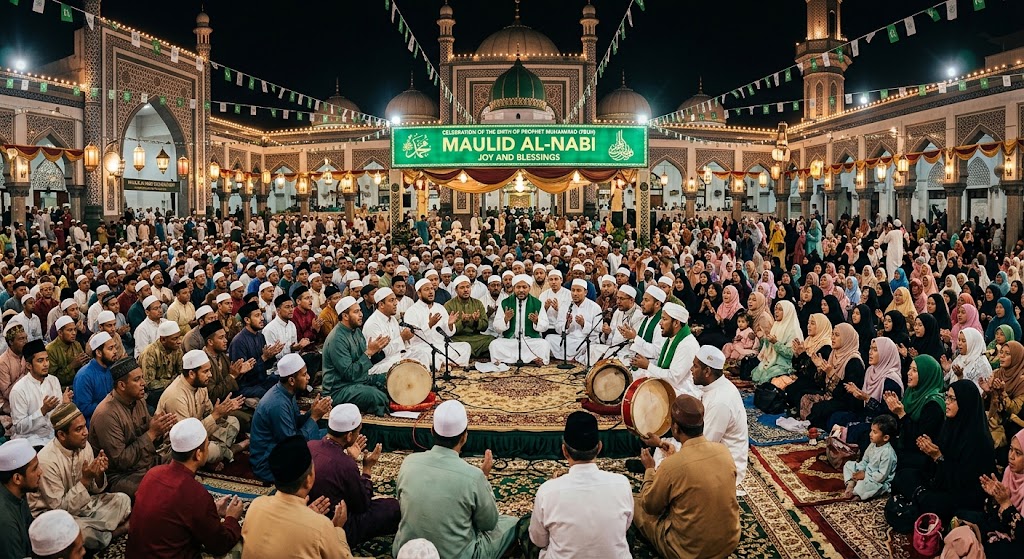
Unlike Kenya, Tanzania has a long-standing tradition of holding national Maulid celebrations, with the occasion receiving significant public attention.
On Tuesday, August 25, 2026, Tanzanian President Samia Suluhu Hassan sent a message to Muslims and Tanzanians wishing them blessings as they mark the occasion.
In her message, Samia said the commemoration of Prophet Muhammad’s (S.A.W.)’s birth should remind people to continue living with love, compassion, tolerance and concern for others.
She urged Tanzanians to celebrate Maulid peacefully and joyfully while maintaining unity and solidarity.
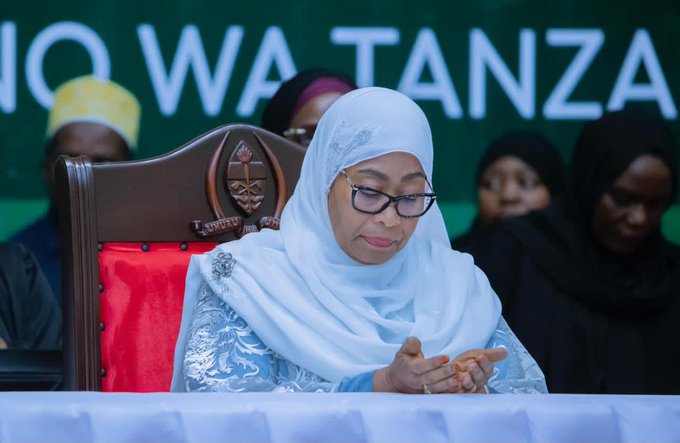
The President also prayed for God’s continued blessings upon Tanzania, its peace and stability, and for the country to continue pursuing development and prosperity for all.
“Ninawatakia Waislamu na Watanzania wote kheri na baraka za Sikukuu ya Maulid. Kumbukizi ya siku hii njema ya kuzaliwa kwa Mtume Muhammad (S.A.W) itukumbushe kuendelea kuishi kwa upendo, huruma, uvumilivu na kuwajali wengine,” Samia wrote.
“Tusherehekee kwa amani na furaha, huku tukidumisha umoja na mshikamano wetu. Mwenyezi Mungu Mtukufu aendelee kuibariki nchi yetu, kuitunza katika amani na utulivu, na kutuwezesha kuijenga kwa maendeleo na ustawi wa wote. Mawlid Al Nabi Mubarak.“
As Kenya’s 2026 public holiday calendar shows, Maulid is not included among the country’s nationally recognised public holidays, unlike Idd-ul-Fitr and Eid-ul-Adha.