Advertisement
What braces really do beyond straightening teeth
20th May, 2026 11:59 AM

Braces are often thought of as a cosmetic fix for crowded or misaligned teeth, but the truth runs much deeper than appearances. In many clinics, orthodontic care is becoming explained as part of the general oral health and not just an upgrade for beauty.
Health experts say properly aligned teeth can help with chewing, speech, and long-term gum health.
Orthodontic treatment is not just about looks; it is also about correcting the way your teeth bite together, which, if left untreated, could lead to problems with your teeth in the future.
In many cases, people begin orthodontic treatment during adolescence, but more adults are now joining in as awareness grows. The process can take months or even years, depending on the severity of alignment issues.
Why braces are more than cosmetic
Dental specialists often explain that braces help fix problems such as overbites, underbites, and overcrowding. Orthodontists noted that properly aligned teeth reduce uneven wear and lower the risk of tooth decay caused by hard-to-clean spaces. A healthy smile is not just about appearance; it plays a key role in overall oral function and confidence.
Health organisations such as the Mayo Clinic also highlight that untreated alignment issues can lead to jaw pain and difficulty in maintaining proper oral hygiene over time.
What the process actually feels like
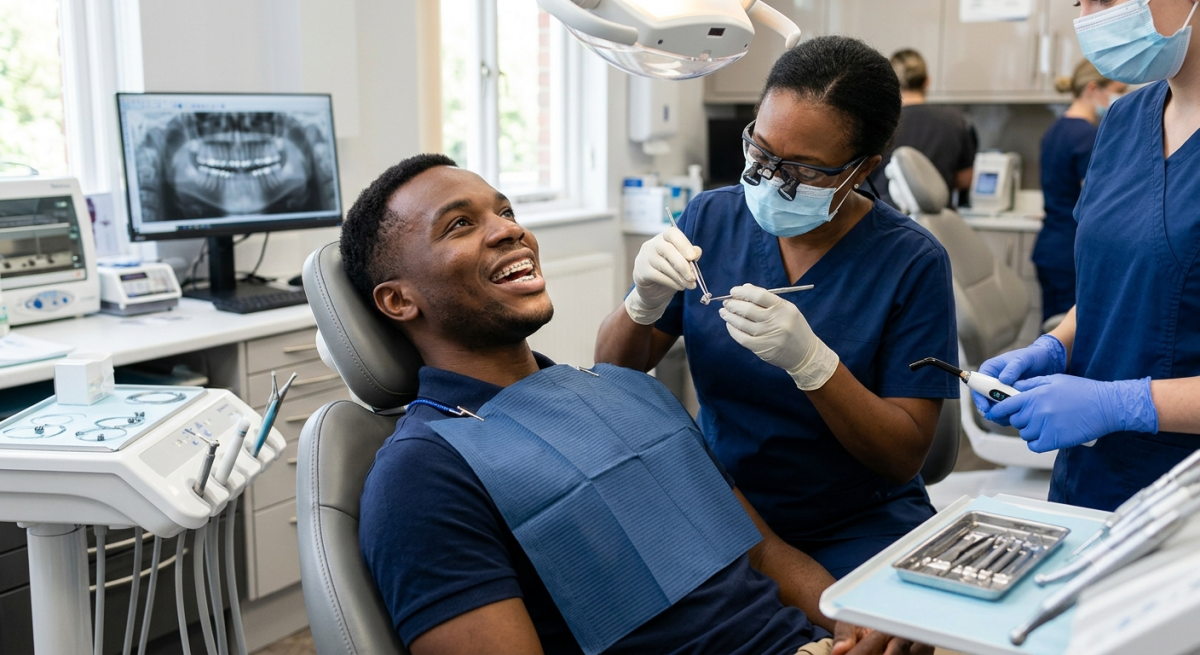
Getting braces is not a one-day experience. It begins with dental scans, X-rays, and fitting sessions where brackets and wires are carefully placed. The first few days after installation are often described as uncomfortable as the mouth adjusts to the pressure.
Regular tightening appointments are part of the journey, and these visits help gradually shift teeth into better alignment. While discomfort is common, it is usually temporary and managed with simple pain relief methods and soft foods.
Orthodontic care providers often reassure patients that the pressure experienced is a sign that the treatment is working, not a cause for alarm.
Care, challenges, and what experts advise
Daily care becomes more demanding with braces. Cleaning requires extra attention since food particles can easily get trapped around wires and brackets. Dental experts recommend brushing after every meal and using special floss tools to avoid plaque buildup.
The World Health Organisation emphasised the importance of oral hygiene in preventing long-term dental diseases, especially during orthodontic treatment, when cleaning becomes more complex.
Patients are also advised to avoid very hard or sticky foods that may damage the braces or slow down progress. Regular check-ups ensure adjustments are made correctly and any issues are addressed early.