Advertisement
Understanding dandruff and ringworm: What your scalp might be telling you
22nd May, 2026 07:14 PM
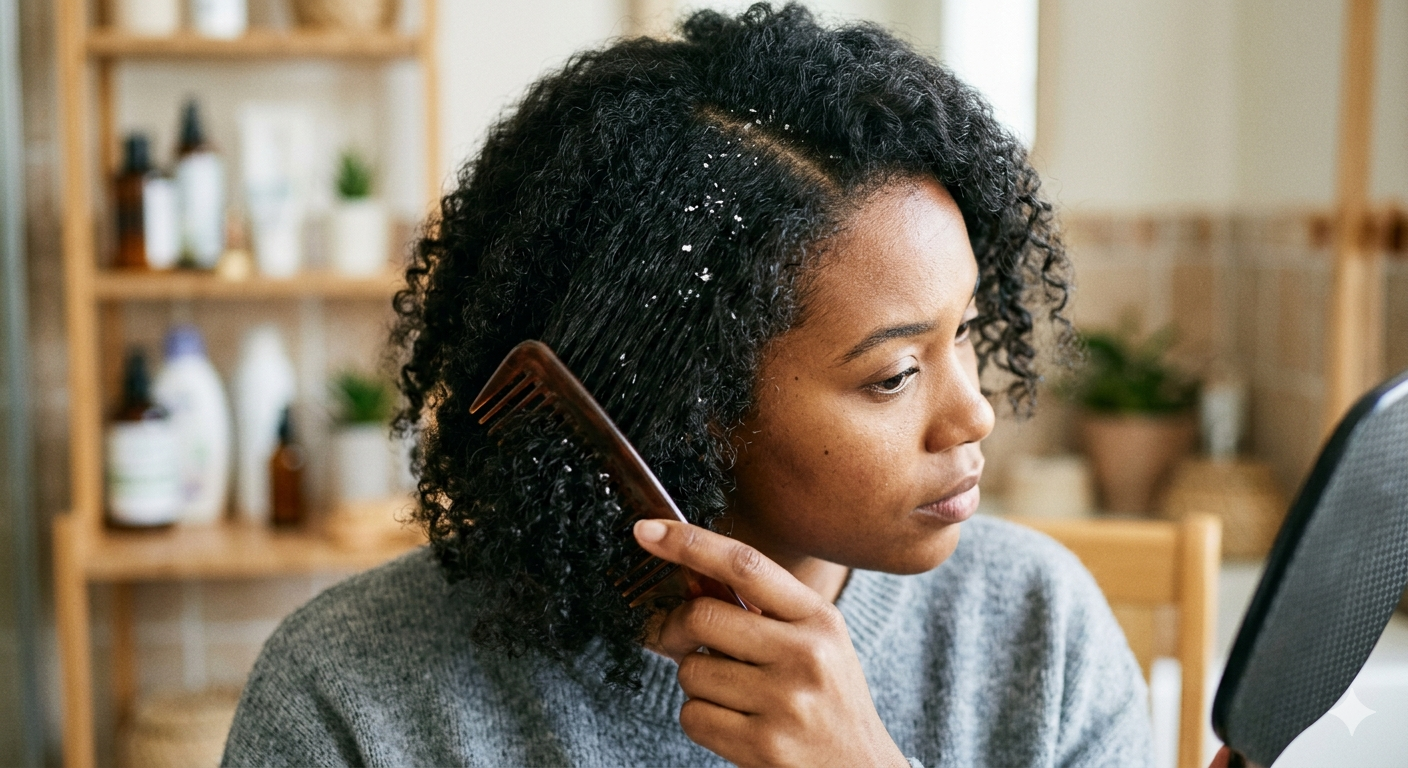
Hair and scalp problems are often ignored until they become too uncomfortable to hide. Dandruff and ringworm are among the most common conditions affecting the scalp, yet many people confuse the two or treat them the same way.
While both can cause itching and flaking, they are very different in cause, appearance, and treatment.
What causes dandruff and ringworm
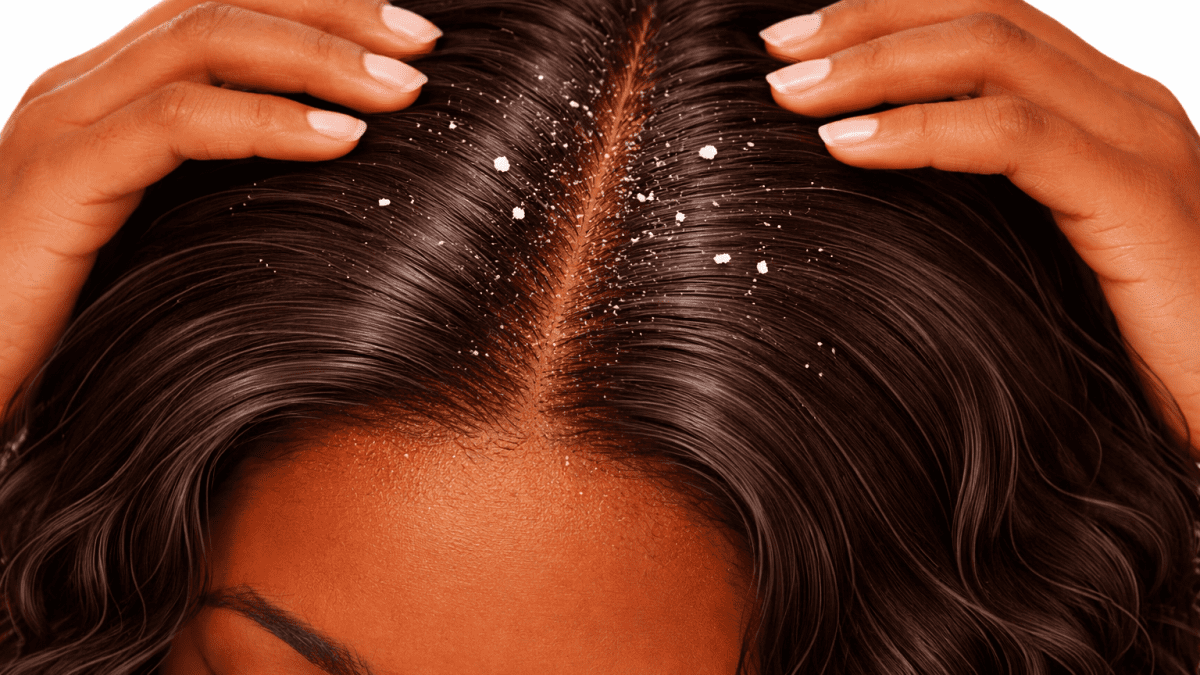
Dandruff is mainly a scalp condition linked to excess oil production, buildup of dead skin cells, and sensitivity to a naturally occurring yeast on the skin known as Malassezia. It is not contagious and can be triggered by stress, cold weather, or not washing hair regularly.
Ringworm of the scalp, on the other hand, is a fungal infection known medically as tinea capitis. Despite its name, it is not caused by a worm. It spreads easily through direct contact with infected people, animals, or contaminated objects like combs and pillows.
According to health guidance from Kenya’s Ministry of Health and information shared by the Kenya Medical Research Institute, fungal infections like ringworm are more common among children but can affect adults as well, especially in crowded living conditions or where hygiene is poor.
Scalp infections that are not treated early can spread quickly and lead to hair damage or permanent patches of hair loss.
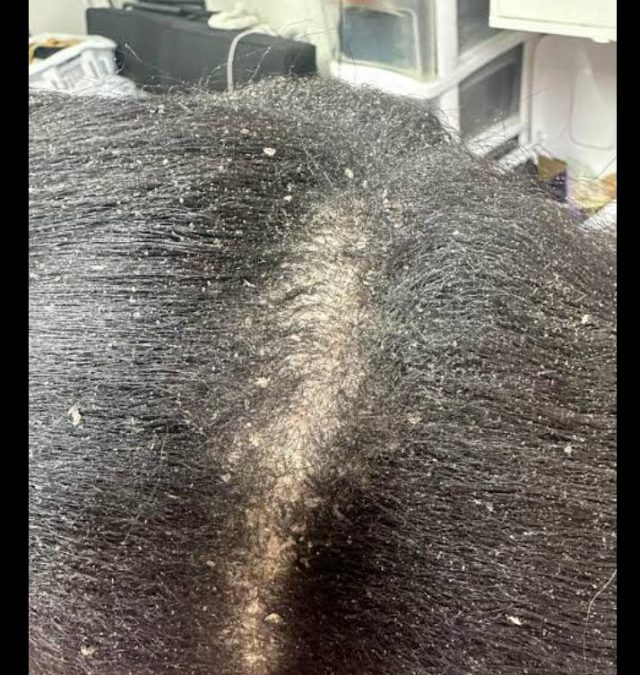
How they affect hair and scalp health
Dandruff usually causes white or yellow flakes that fall on clothing and mild itching. While it is not dangerous, it can become persistent and uncomfortable, sometimes affecting confidence and daily comfort.
Ringworm is more severe. It can cause round bald patches, broken hair strands, redness, swelling, and intense itching. In some cases, the infection may lead to scarring if not treated early, which can permanently affect hair growth.
Health facilities such as Aga Khan University Hospital, Nairobi, noted that untreated fungal scalp infections can worsen over time and may require prescription antifungal medication rather than home remedies.
Prevention and proper care
Managing dandruff often starts with good hair hygiene. Regular washing using mild anti-dandruff shampoos, reducing stress, and maintaining a balanced diet can help control symptoms. Avoiding excessive use of hair oils can also reduce buildup on the scalp.
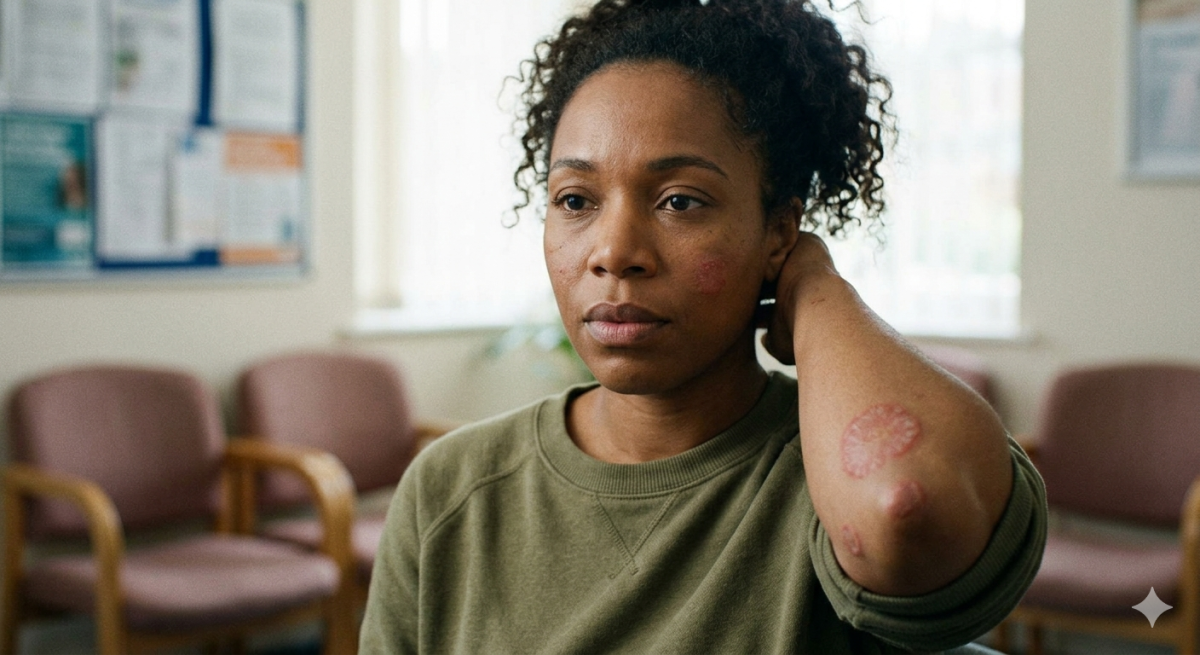
Preventing ringworm requires more caution. Sharing combs, hats, or towels should be avoided. Hair tools should be cleaned regularly, and children should be taught not to share personal items. Early treatment with antifungal medication is important once symptoms appear.
The World Health Organization emphasized that fungal infections should be treated early to prevent spread, especially in schools and households.
In Kenya, public health awareness campaigns continue to encourage people to seek medical attention when they notice persistent scalp itching, unusual hair loss, or visible patches, instead of relying solely on home treatment.